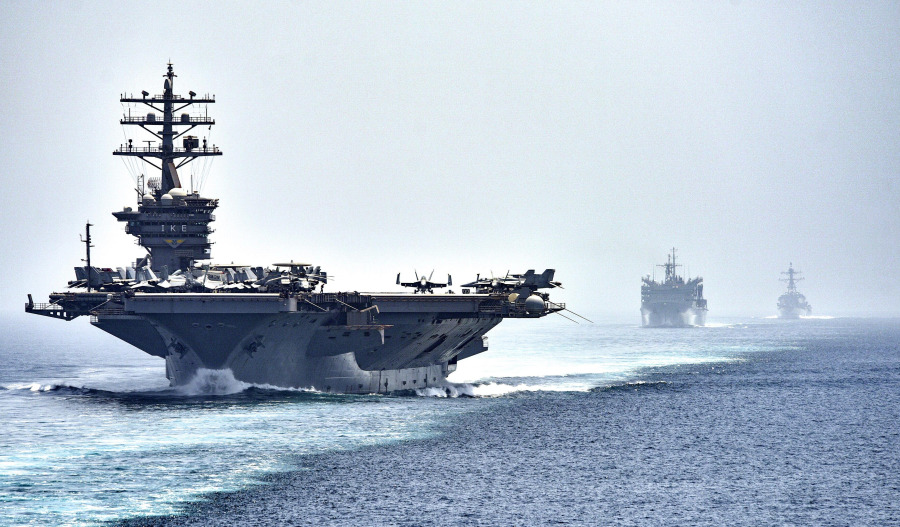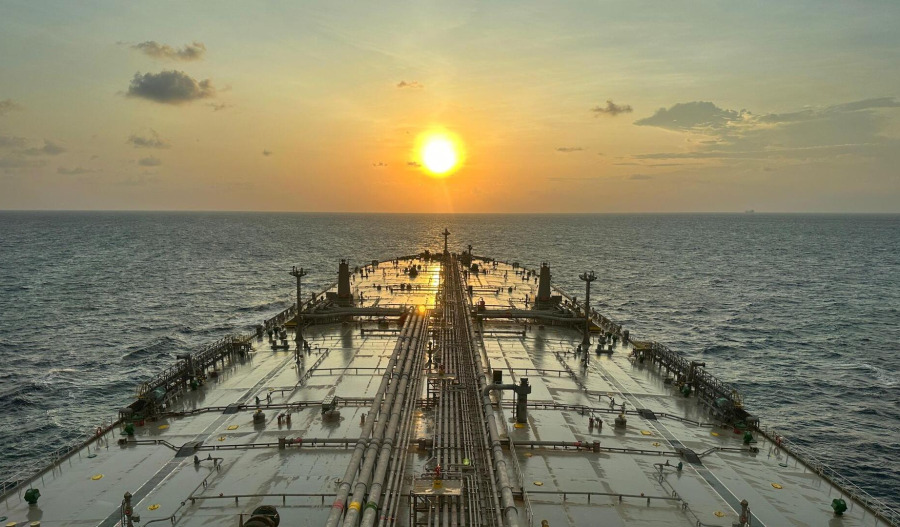

Oil prices extended gains during Asian deals on Wednesday as renewed military action between the United States and Iran heightened concerns over global crude supplies, with fighting centred on the strategically important Strait of Hormuz.
By 3:25 pm AEST (5:25 am GMT) Brent crude futures rose 67 cents, or 0.8%, to US$85.40 per barrel, while U.S. West Texas Intermediate crude gained 47 cents, or 0.6%, to US$79.78 a barrel.
The advance followed Tuesday's 2% rally, which pushed both benchmarks to their highest levels in a month after renewed attacks deepened supply disruptions in the Strait of Hormuz.
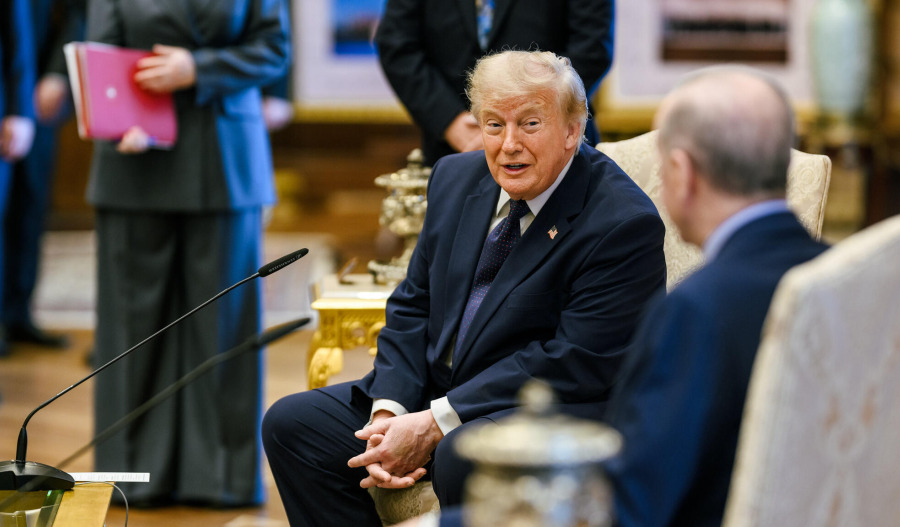
Investor concerns intensified after President Donald Trump reinstated a naval blockade on all Iranian ports, while Iran launched fresh strikes against U.S. infrastructure across the region.
The U.S. Central Command (CENTCOM) also announced a new round of strikes early Wednesday:

“U.S. fighter aircraft, drones, and naval vessels launched precision munitions against Iranian missile and drone sites, naval capabilities, and coastal defense systems during the seven-hour wave to further degrade Iran's ability to threaten commercial shipping and civilian crews.”
ANZ analysts said the renewed blockade could significantly disrupt Iranian oil exports and complicate efforts by other Gulf producers to increase output.
"The impact on the recovery phase of the supply disruptions will be immense. Based on ship tracking data, Iran was able to ship at least 2.2mb/d during the period when the U.S. had waived sanctions on the Iranian oil industry and removed the blockade.
"Now that its back in place, Iran will struggle to export at such levels. Other Persian Gulf producers will also have to reevaluate their efforts to ramp up production. The control of the waterway remains the sticking in negotiations between the U.S. and Iran.
"Both sides have been reluctant to back down on their demands. Iran’s Deputy Foreign Minister reiterated yesterday that 'in wartime conditions, our control of must extend across the entire Strait of Hormuz, not just our side'."
The renewed hostilities have also raised fresh doubts over the durability of the memorandum of understanding signed last month, which had been intended to pave the way for a lasting ceasefire after months of conflict that has spread across the Middle East.