United States President Donald Trump said on Monday the U.S. would reinstate its blockade of Iranian shipping in the Gulf and ensure the Strait of Hormuz remains open for a fee, while warning that U.S. forces would strike Iran again "very hard" after the two sides exchanged missile and drone attacks.
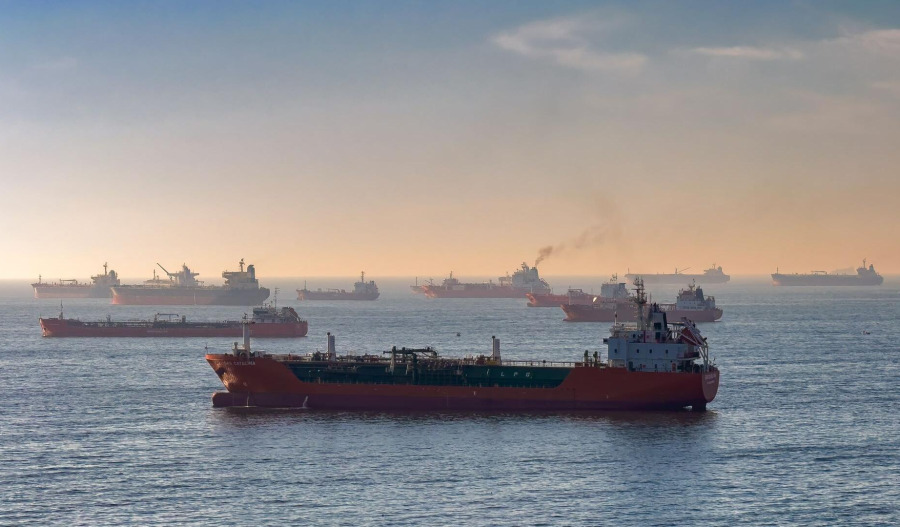
The latest escalation followed Iran's weekend announcement that it was closing the strategic waterway, casting further doubt over an interim agreement aimed at halting the conflict and sending oil prices sharply higher.
"The Hormuz Strait is OPEN, and will remain OPEN, with or without Iran. We are reinstating THE IRANIAN BLOCKADE," Trump wrote on Truth Social, adding that the U.S. would collect a 20% toll on all cargo shipped through the strategic waterway "as a matter of FAIRNESS".
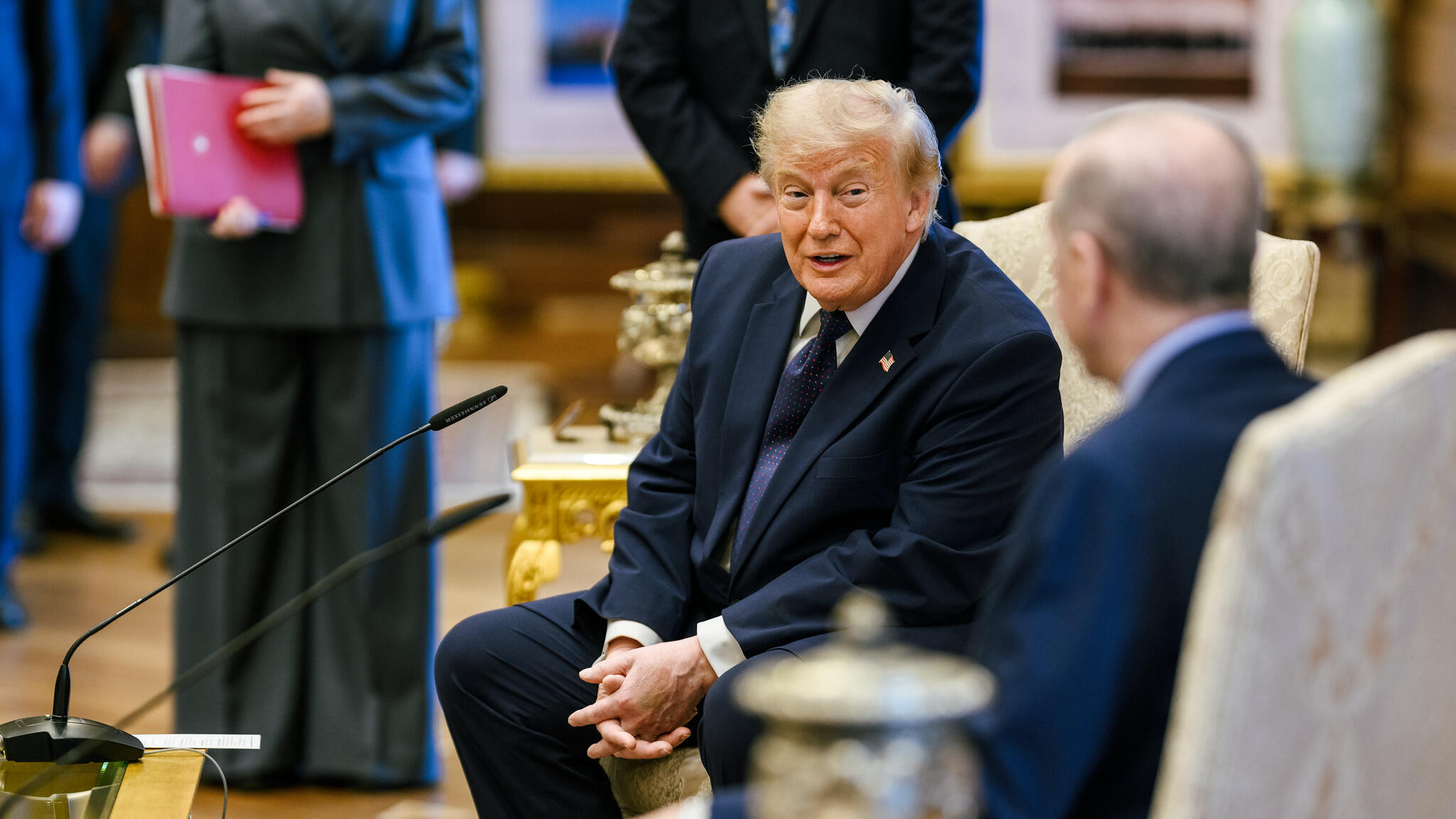
Trump later reinforced the warning during an interview with conservative radio host Hugh Hewitt.
"We're going to hit them very hard tonight, and we're going to hit them hard tomorrow. And there's not a damn thing they can do about it," Trump said.
U.S. Central Command confirmed it had begun a third consecutive night of strikes against Iran shortly after the interview aired, acting on Trump's orders.
The president also threatened to target Mount Kolang Gaz La, also known as Pickaxe Mountain, a heavily fortified site near Iran's damaged Natanz uranium enrichment facility.
The site contains two deeply buried tunnel complexes that experts believe are beyond the reach of even the most powerful U.S. bunker-buster bombs.
"We're going to take out Pickaxe Mountain. Tell the Iranians to be ready," Trump said on the Hugh Hewitt Show. "We'll probably give Pickaxe a shot relatively soon."
Iran rejected Trump's comments, with the country's top joint military command stating that Washington had no authority over the future of the Strait of Hormuz and would not be allowed to intervene.
Iranian Foreign Minister Abbas Araqchi wrote on X that Tehran was the guardian of the waterway and would remain so "forever", adding in response to Trump's proposed toll: "20% is of course too much. We will be fair."

ANZ analysts commented in a note to clients:
"The market appears to be treating the proposed fee with a fair degree of scepticism. There is no legal basis for the U.S. – or any country – charging such a fee, as U.S. officials had pointed out regarding Iran’s toll proposal.
"Despite the end of the U.S.-Iran ceasefire, the reinstatement of the U.S. blockade and transits effectively halted, oil remains considerably lower than before the U.S.-Iran Memorandum of Understanding was signed."
The United Nations' shipping agency pushed back against Trump's proposal, saying it opposes any fees for straits used in international navigation and stressing there is no legal basis for imposing mandatory tolls on vessels transiting international waterways.
Trump has previously floated the idea of charging tolls on ships passing through the Strait of Hormuz, but has never implemented such a policy, leaving uncertainty over whether the latest proposal will proceed.
The U.S. Navy-led Joint Maritime Information Center (JMIC) said the blockade would take effect at 2000 GMT on Tuesday and apply to all vessel traffic, regardless of flag, covering Iran's entire coastline, including ports and oil terminals, according to Reuters.
The centre said the measure would not prevent neutral transit through the Strait of Hormuz to or from non-Iranian destinations and that humanitarian shipments would continue to be permitted, subject to inspection.
Iran has separately sought to establish a permanent permit and fee system for vessels using the waterway.
The conflict has claimed thousands of lives, with most casualties reported in Iran and Lebanon.
The U.S. Central Command said its forces struck a submarine and naval maintenance facility in Iran on Sunday using one-way attack drones.
Iran's Revolutionary Guards said they had retaliated by targeting U.S. military facilities in Bahrain and Kuwait, destroying radar systems in Oman and striking fuel tanks and ammunition depots at Prince Hassan Air Base in Jordan.
Bahrain said its air defence systems intercepted several Iranian missile and drone attacks early on Monday.