Wall Street closed lower on Monday (Tuesday AEST) after geopolitical tensions in the Middle East escalated over the weekend, with United States President Donald Trump announcing the reinstatement of a blockade on Iranian ports, denting investor risk appetite.
The Dow Jones Industrial Average fell 138.3 points, or 0.3%, to 52,498.7. The S&P 500 declined 59.9 points, or 0.8%, to 7,515.5, while the Nasdaq Composite dropped 408.4 points, or 1.6%, to 25,873.2.
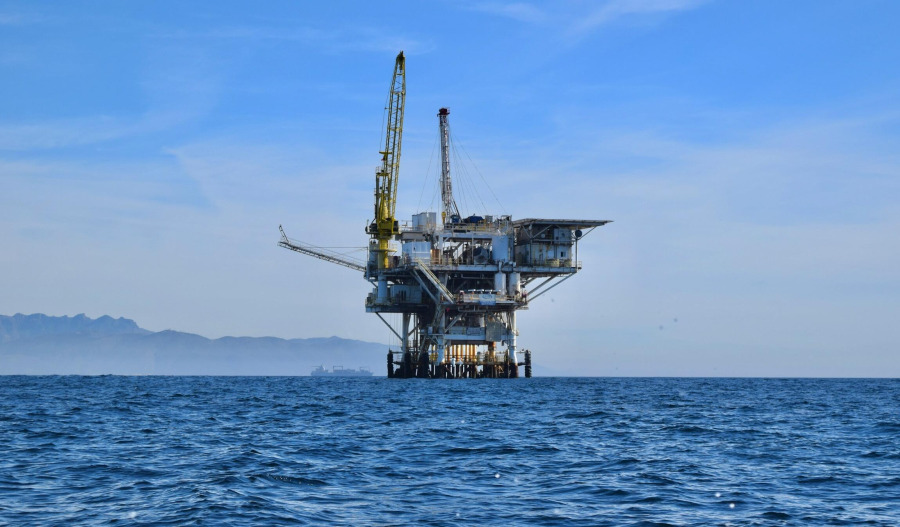
The tech-heavy Nasdaq led the losses, followed by the S&P 500. Gains in energy stocks cushioned the Dow's decline as crude oil prices surged on concerns that restricted traffic through the Strait of Hormuz could disrupt global supply.
Chipmakers were among the session's biggest laggards, extending the sector's recent volatility amid the artificial intelligence boom.
SanDisk shed 12.6%, Marvell Technology lost 7.8%, and Intel dipped 6.1%.
U.S.-listed shares of South Korean memory chipmaker SK Hynix tumbled 9.3%, giving back part of Friday's gains after surging more than 12% in their Nasdaq debut.
The U.S. and Iran exchanged heavy airstrikes over the weekend, marking a significant escalation in the conflict.
Trump's decision to reinstate the blockade on Iranian ports reignited concerns over the prospects for renewed peace negotiations.

Crude oil prices jumped 9.4%, fuelling fresh concerns that higher energy costs could feed into broader inflationary pressures if supply disruptions persist.
Investors are now turning their attention to Federal Reserve Chair Kevin Warsh, who is scheduled to deliver his first semiannual testimony before Congress on Tuesday and Wednesday (Wednesday and Thursday AEST).
Lawmakers are expected to question the central bank chief on the inflationary implications of the U.S.-Iran conflict and the Fed's policy outlook.
According to the CME FedWatch Tool, markets are pricing an 89.2% probability of at least one 25-basis-point interest rate hike before the end of the year.
Economic data will also be in focus this week. Investors will closely monitor the latest consumer price index (CPI) and producer price index (PPI) reports for signs of how the renewed conflict has affected inflation in June.
The Commerce Department's June retail sales figures will provide further insight into the resilience of the U.S. consumer.
The corporate earnings season also begins in earnest, with Bank of America, Citigroup, Goldman Sachs, JPMorgan Chase and Wells Fargo all due to report quarterly results on Tuesday.
On the bond markets, U.S. Treasury yields moved higher, with the 10-year yield rising 1.4% to 4.624% and the two-year yield climbing 1.6% to 4.281%.