The United States on Tuesday reinstated a naval blockade of all Iranian ports, intensifying its military campaign against Tehran, while President Donald Trump abandoned a proposed 20% transit fee for ships passing through the Strait of Hormuz just one day after unveiling the idea.
The U.S. Central Command (CENTCOM) also announced a fresh wave of strikes aimed at "continuing to degrade Iranian capabilities used to attack commercial shipping in the Strait of Hormuz".
Over the past 24 hours, Iran has launched strikes against U.S. facilities in Jordan and Bahrain, while tankers owned by the United Arab Emirates were reportedly attacked in the strait.
The renewed violence has cast fresh doubt over whether last month's memorandum of understanding can still deliver a lasting peace, as the conflict continues to spill across the region and disrupt global energy markets.
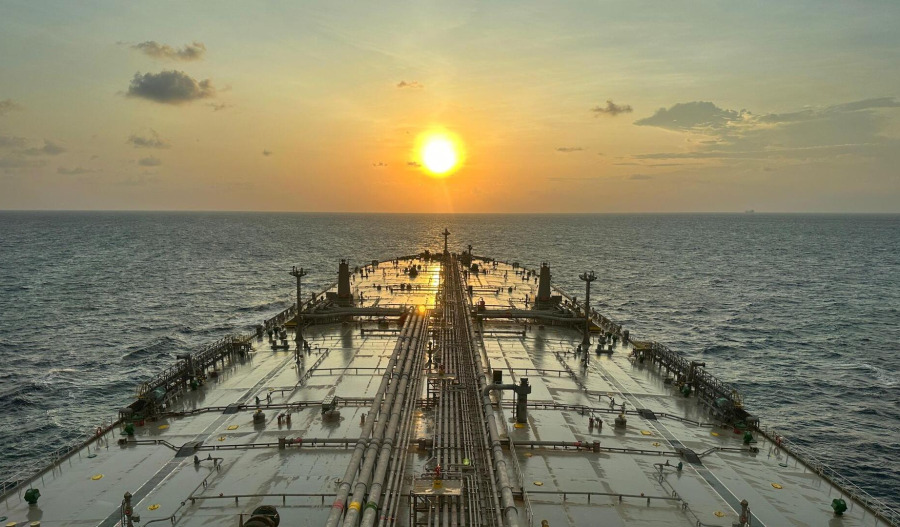
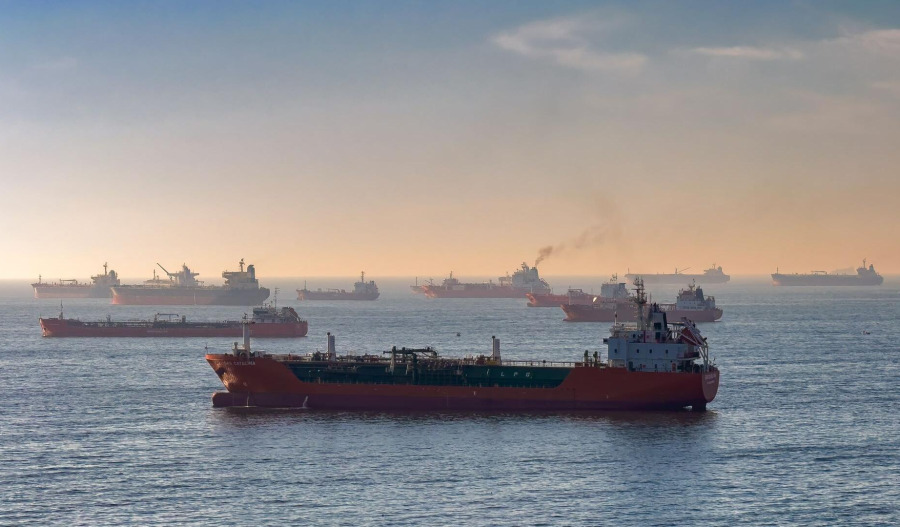
Before fighting erupted in February, roughly one-fifth of the world's oil and liquefied natural gas shipments passed through the Strait of Hormuz each day.

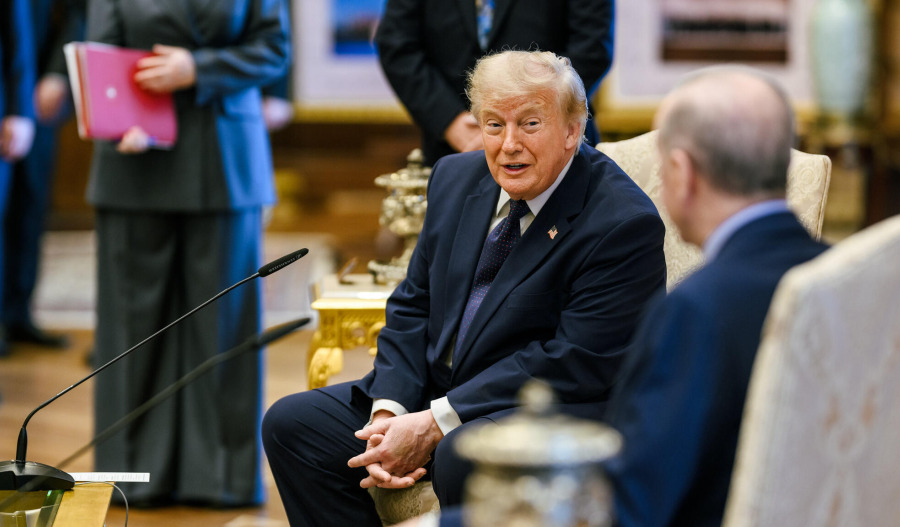
Trump had proposed imposing a 20% fee on vessels using the waterway to help fund its protection, but the idea was met with widespread criticism, including from the United Nations' shipping agency, which argued that international navigation through global straits should remain free of such charges.
Within 24 hours, Trump withdrew the proposal, saying his administration would instead pursue greater investment partnerships with Gulf states.
"If the U.S. thinks that by tightening its measures against us, its military actions and its economic blockade, we will return to negotiations, it is making a mistake," Iran's Deputy Foreign Minister Kazem Gharibabadi said in an interview with state television, according to reports from Reuters.
The renewed naval blockade on vessels travelling to and from Iranian ports and coastal areas came into effect at 2000 GMT (1600 EDT), after having been lifted under the June ceasefire agreement.
Trump said the Strait of Hormuz remains open to all international shipping except vessels linked to Iran.
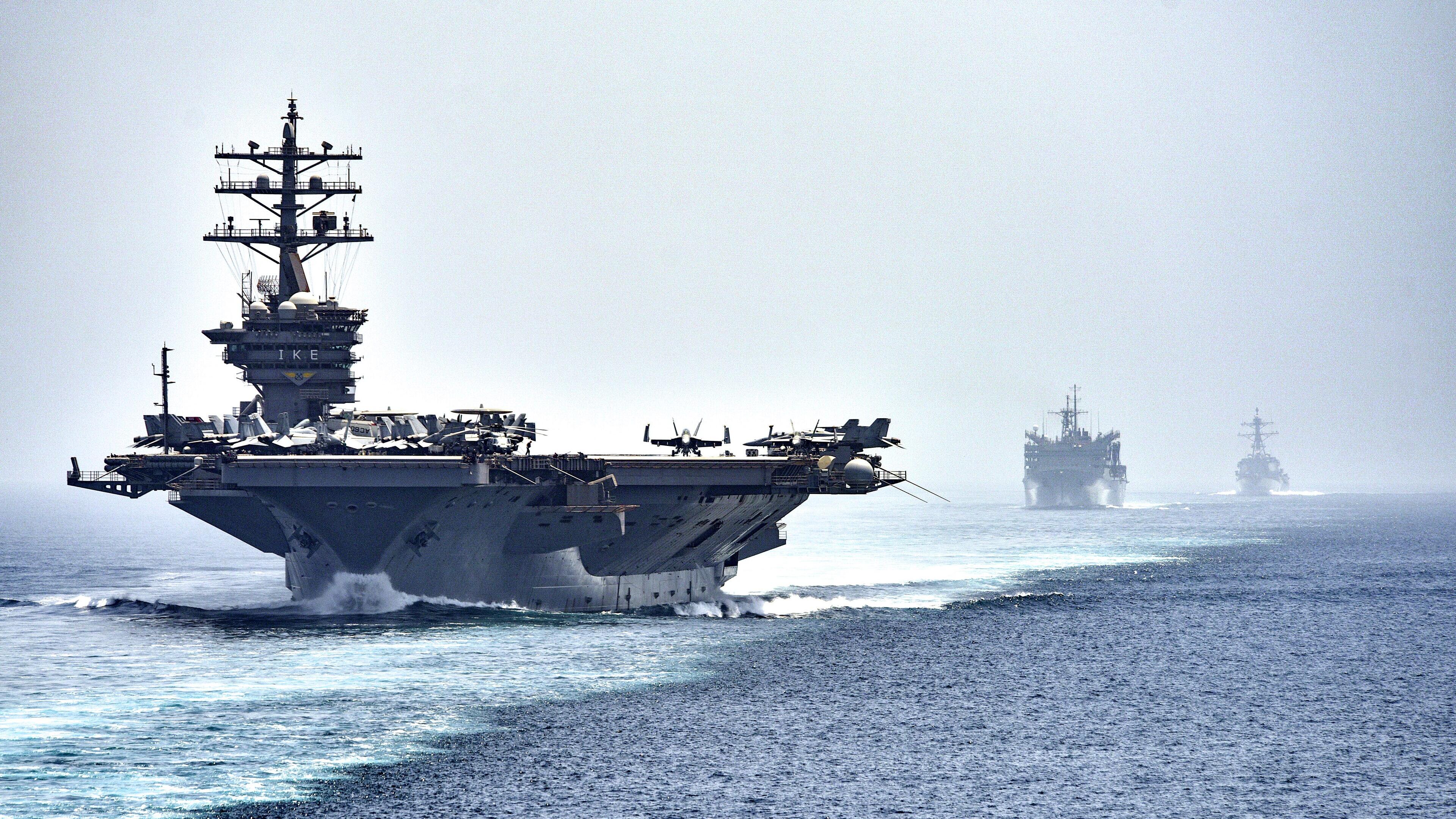
According to the U.S. military, more than 20 U.S. Navy warships and hundreds of military aircraft are currently deployed across the region as tensions continue to escalate.