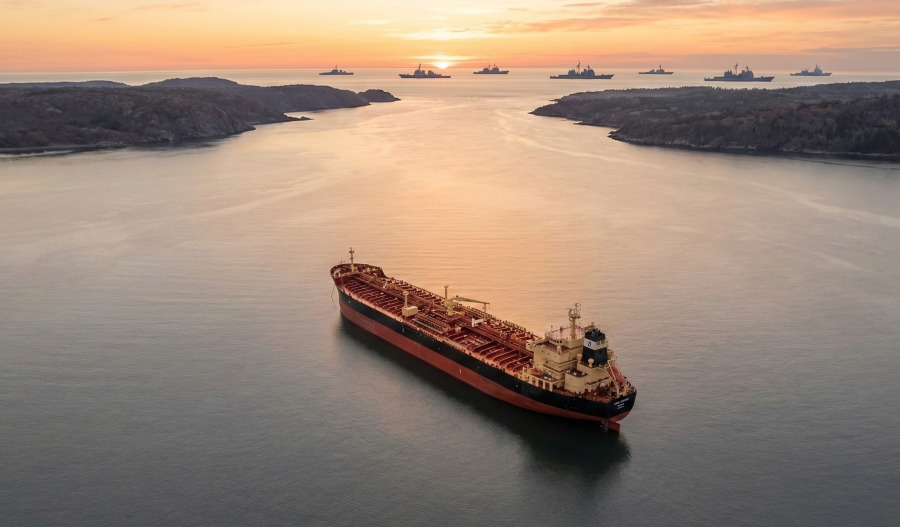
Oil prices rose during Thursday's Asian trade amid ongoing concerns over the prolonged disruption of shipping through the Strait of Hormuz, with the widening conflict between the United States and Iran threatening vital Middle Eastern energy flows.
By 2:30 pm AEDT (3:30 am GMT), Brent crude was up $2.35, or 2.8%, at US$83.67 per barrel - it's highest level since 19 July 2024, while West Texas Intermediate crude gained $2.43, or 3.3%, to $77.09 per barrel, trading at levels not seen since 23 June, 2025.
The escalation in energy markets followed a further expansion of the U.S.-Iran conflict on Wednesday after a U.S. strike hit an Iranian warship off the coast of Sri Lanka.
At the same time, Republicans in the United States Senate backed the military campaign led by Donald Trump against Iran.
Lawmakers voted against a bipartisan resolution that sought to halt the air campaign and require Congress to authorise further hostilities against Iran.

Supply pressures have also emerged within the region’s energy producers. Iraq, the second-largest crude producer within OPEC, has cut production by nearly 1.5 million barrels per day due to a lack of available storage and export routes, according to officials.
Analysts at ANZ said the market remained highly sensitive to supply risks stemming from the conflict.
"Crude oil markets remained on edge as they face ongoing risks to supply following the attacks on Iran by U.S. and Israel military forces. There were fresh attacks on energy infrastructure in the region, with another attempted drone strike on the large Ras Tanura oil refinery.
"Moreover, concerns are centred on the flow of supply through the Strait of Hormuz. Approximately 20% of global supply in oil and gas markets transits this vital waterway. With producers unable to export their oil they are having to stockpile stranded supplies in storage tanks.
"Iraq, which has limited storage, has been compelled to begin massive production cuts. Crude oil markets will look to OPEC, but its response has been underwhelming. A modest 206kb/d increase is not much more than the monthly output increments in early 2025, and it will not commence until April."
Adding to concerns, Qatar, the Gulf’s largest liquefied natural gas exporter, reportedly declared force majeure on gas shipments on Wednesday, with industry sources suggesting it could take at least a month for production and exports to return to normal levels.