Four days into Operation Epic Fury, the Strait of Hormuz is functionally closed, a Fed governor is arguing for rate cuts regardless, and a record sector rotation is reshaping the S&P 500 from the inside.
Defence Secretary Pete Hegseth said in a televised briefing on Wednesday that U.S. and Israeli forces had achieved "uncontested airspace" over Iran and delivered "twice the air power of shock and awe" in just four days.
The Iranian navy had been destroyed, he said, and a warship torpedoed in the Indian Ocean marked the first such sinking since World War Two.
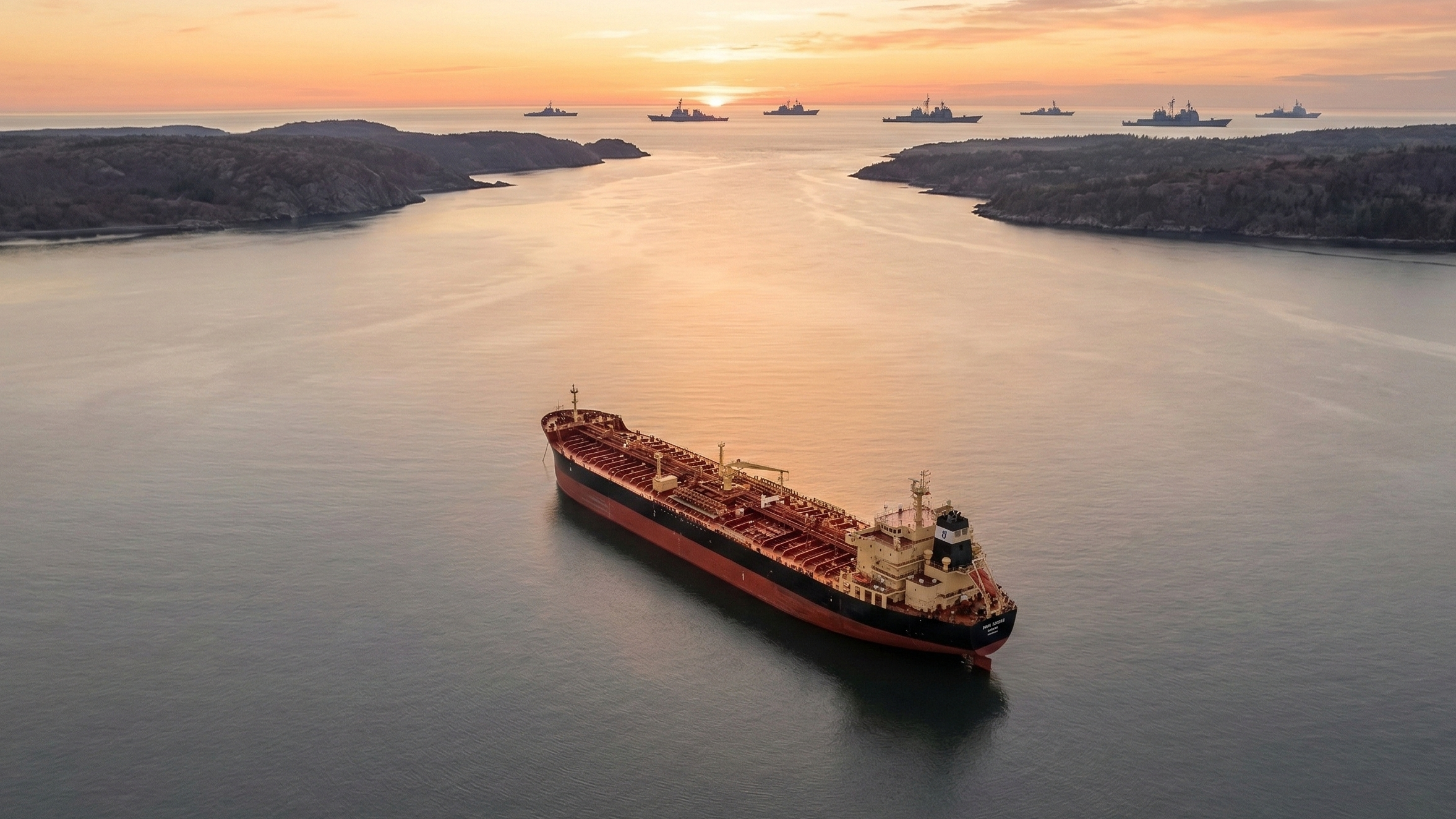
Brent crude settled at US$81.40 a barrel on Tuesday, up roughly 10% since strikes began on February 28, after President Trump said the U.S. Navy would escort tankers through the Strait of Hormuz and provide government-backed insurance for vessels willing to transit.
Meanwhile, the S&P 500 remains within 2% of all-time highs.
The case to keep cutting
Fed Governor Stephen Miran appeared on Bloomberg Television on Wednesday and argued the oil shock is a headline inflation event, not a core inflation event, and that the Fed should "look through" it as central bankers have done for decades before 2022.
He said the policy settings today bear no resemblance to the pandemic-era stimulus that turned a transitory oil shock into a persistent inflation crisis, and warned colleagues against "fighting the last war."
Monetary policy sits at 3.50-3.75%, which Miran described as "modestly restrictive", and he has called for 100 basis points of cuts this year in steady 25-basis-point increments to return to neutral.
The majority of the FOMC has shown little appetite for further easing while inflation sits above target, and incoming Fed Chair Kevin Warsh inherits a committee split on whether to move at all before the oil picture clears.

Hormuz is shut, and the clock is ticking
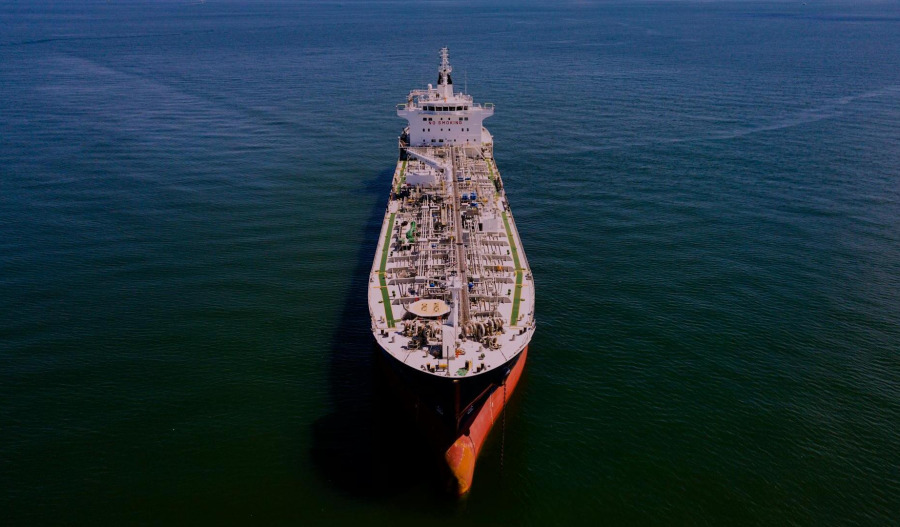
The Strait of Hormuz carries roughly 20% of global oil consumption and a fifth of the world's liquefied natural gas, and Iran's Revolutionary Guard declared it closed on Monday.
Protection and indemnity insurance has been withdrawn from March 5, at least five tankers have been hit, and vessel tracking data from Kpler shows traffic has dropped to near zero for non-Iranian and non-Chinese flagged ships.
Oil has not hit $100 because global inventories were well-stocked heading into the conflict, China holds substantial strategic reserves, Saudi Arabia's East-West pipeline offers a partial bypass, and OPEC+ has pledged an additional 206,000 barrels per day in output - though delivering those barrels through a closed strait remains an open question.
Iraq relies almost entirely on Hormuz for exports and could be forced to shut in production, and RBC's Helima Croft has warned that a prolonged conflict could effectively strand the bulk of the region's OPEC output with no viable route to market.
Trump has said the campaign could last four to five weeks - a long time for 13 million barrels a day to find alternative routes.
The rotation underneath the index
The energy sector's gains predate the Iran conflict, and the war has accelerated a rotation that was already well underway.
Cross-sector dispersion has widened to levels that Penn Mutual Asset Management described as among the most pronounced on record, with technology stocks down 3-5% while energy has gained more than 21%, materials are up nearly 18%, and industrials have added about 12%.
The equal-weight S&P 500 has hit record highs while the cap-weighted index has gone nowhere, a gap that State Street's Michael Arone attributed to non-tech companies closing the earnings growth gap with the Magnificent Seven.
Capital has rotated out of the hyperscalers and into the companies building the physical layer, with Caterpillar, Vertiv, and Deere among the primary beneficiaries.
Wednesday's ADP employment report showed 63,000 private sector jobs added in February, up from a revised 11,000 in January, with health care accounting for the bulk of the gains and wage growth for job-stayers holding at 4.5%.