Oil prices rose for a fourth consecutive session during Wednesday’s Asian trading as the United States-Israeli war on Iran disrupted Middle East production and effectively halted exports through key regional routes.
By 2:50 pm AEDT (3:50 am GMT), Brent crude futures were up 72 cents, or 0.9%, at US$82.12 a barrel, after touching their highest level since 16 January 2025 in the previous session.
West Texas Intermediate crude gained 43 cents, or 0.6%, to $74.99, holding near its strongest level since 23 June 2025.
The advance followed fresh military strikes on Tuesday, when Israeli and U.S. forces targeted sites across Iran. Tehran responded with attacks on energy infrastructure in a region responsible for just under one-third of global oil output.
Iraq, the second-largest crude producer in Organization of the Petroleum Exporting Countries, has reportedly reduced output by nearly 1.5 million barrels per day — around half its production — because of storage constraints and the absence of viable export routes.
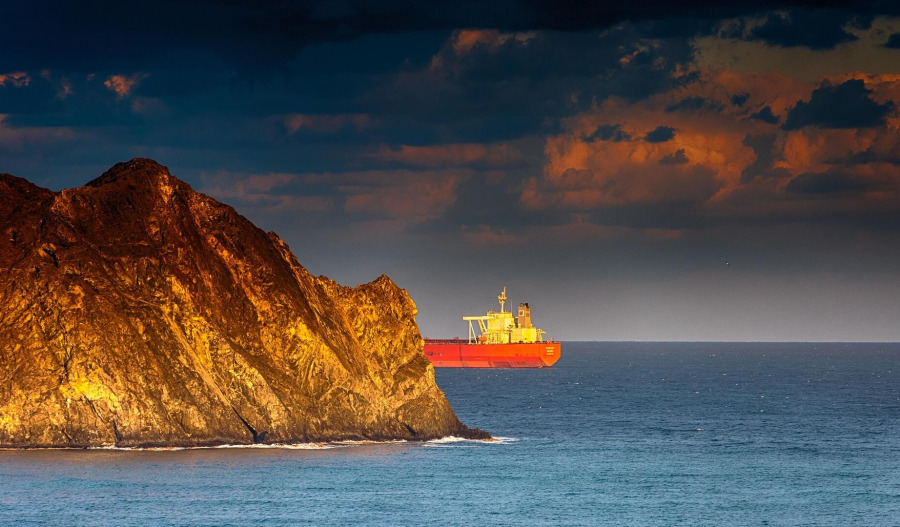
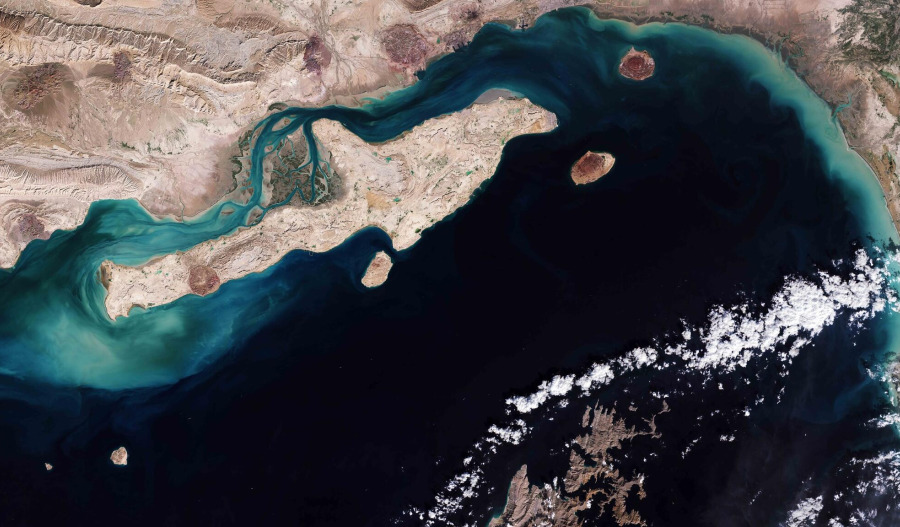
Iran has also targeted vessels in the Strait of Hormuz, the critical chokepoint through which roughly one-fifth of global oil and liquefied natural gas flows. Shipping traffic has remained effectively closed for a fourth consecutive day after Iranian forces attacked five ships.

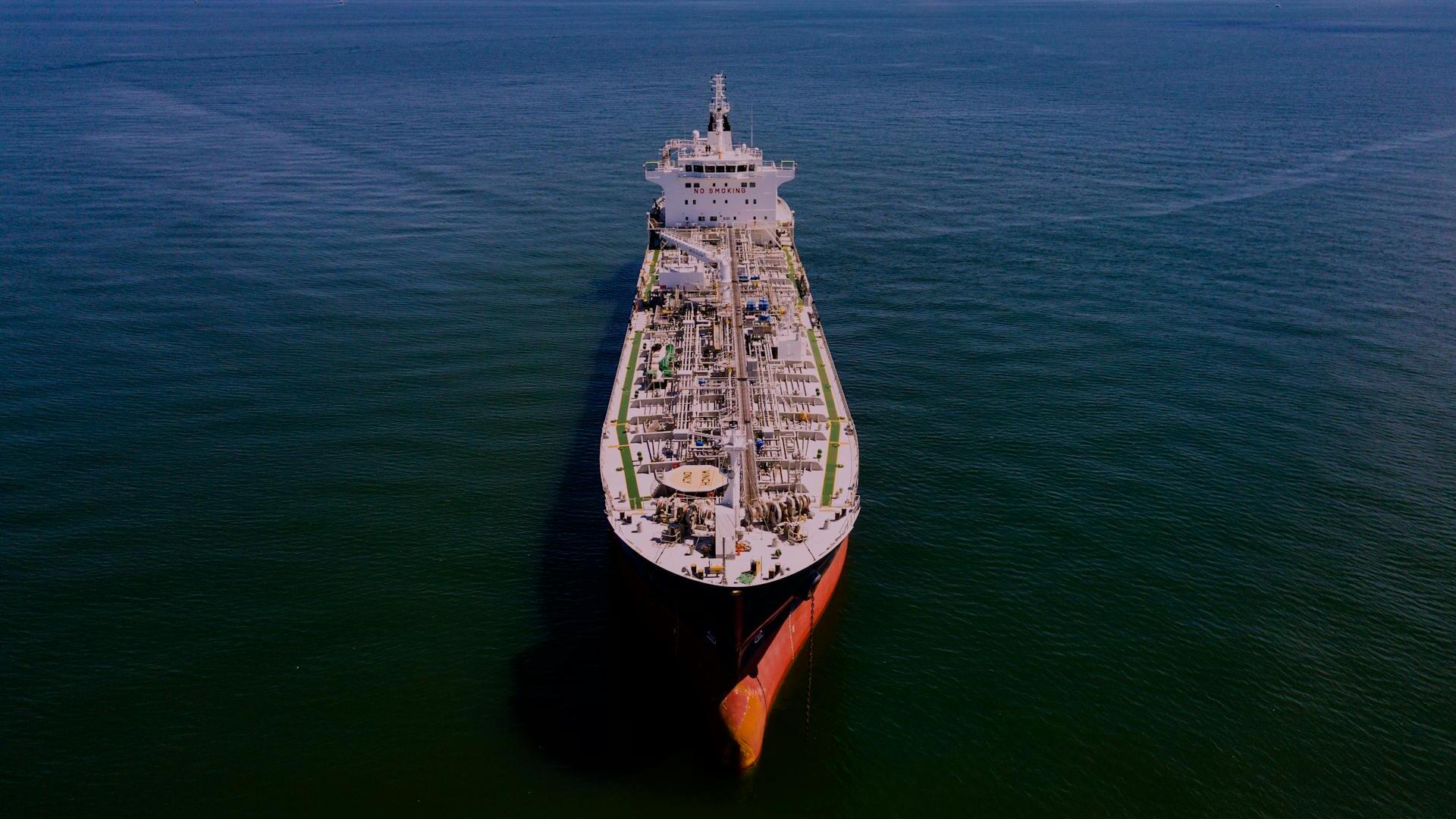
Comments from President Donald Trump helped temper further price gains. Trump indicated that the U.S. Navy could begin escorting oil tankers through the Strait of Hormuz if required to safeguard energy flows.
He added that he had directed the U.S. International Development Finance Corporation to provide political risk insurance and financial guarantees for maritime trade in the Gulf.
The prospect of U.S. naval protection appeared to ease some immediate supply concerns, limiting the upside in crude prices despite the worsening geopolitical backdrop.
Countries and companies have begun exploring alternative supply channels. India and Indonesia said they were seeking other energy sources, while several Chinese refineries reportedly brought forward maintenance schedules or temporarily halted operations.
Analysts at ANZ noted in a client update: "Saudi Arabia was said to be exploring the option of delivering more barrels from the Red Sea. However, that route is not without its risks. Yemen’s Iran-backed Houthi militant group has threatened to resume attacks on vessels in the waterway."
Sources also indicated that Saudi oil giant Saudi Aramco was attempting to reroute some exports via the Red Sea to bypass the Strait of Hormuz.
In the United States, crude inventories unexpectedly increased. Market sources citing data from the American Petroleum Institute said stockpiles rose by 5.6 million barrels last week, well above expectations for a 2.19 million-barrel build.