The war between the United States and Iran intensified on Monday (Tuesday AEDT), spreading beyond Iranian territory into Lebanon and across the Gulf, as energy markets reeled from the closure of the Strait of Hormuz and President Donald Trump signalled a broader offensive could be imminent.
The conflict, now in its third day, has already reshaped the geopolitical landscape of the Middle East, disrupted global energy flows and rattled financial markets worldwide.
The U.S. Central Command confirmed that Kuwait mistakenly shot down three American F-15E fighter jets during an Iranian attack. All six crew members ejected and were safely recovered.
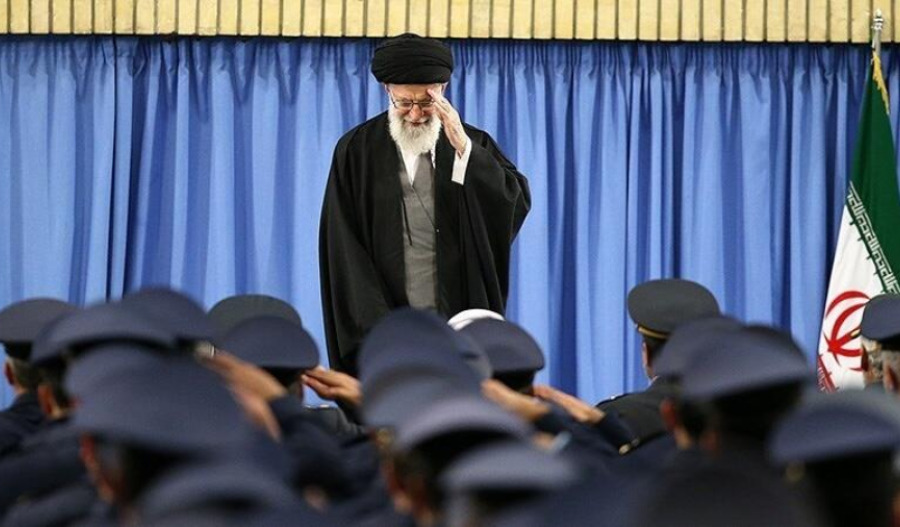
For Donald Trump, the strikes represent the most significant foreign policy gamble of his presidency. Over the weekend, U.S. and Israeli operations killed Iran’s Supreme Leader, Ali Khamenei, dramatically altering the power structure in Tehran and plunging the region deeper into instability.
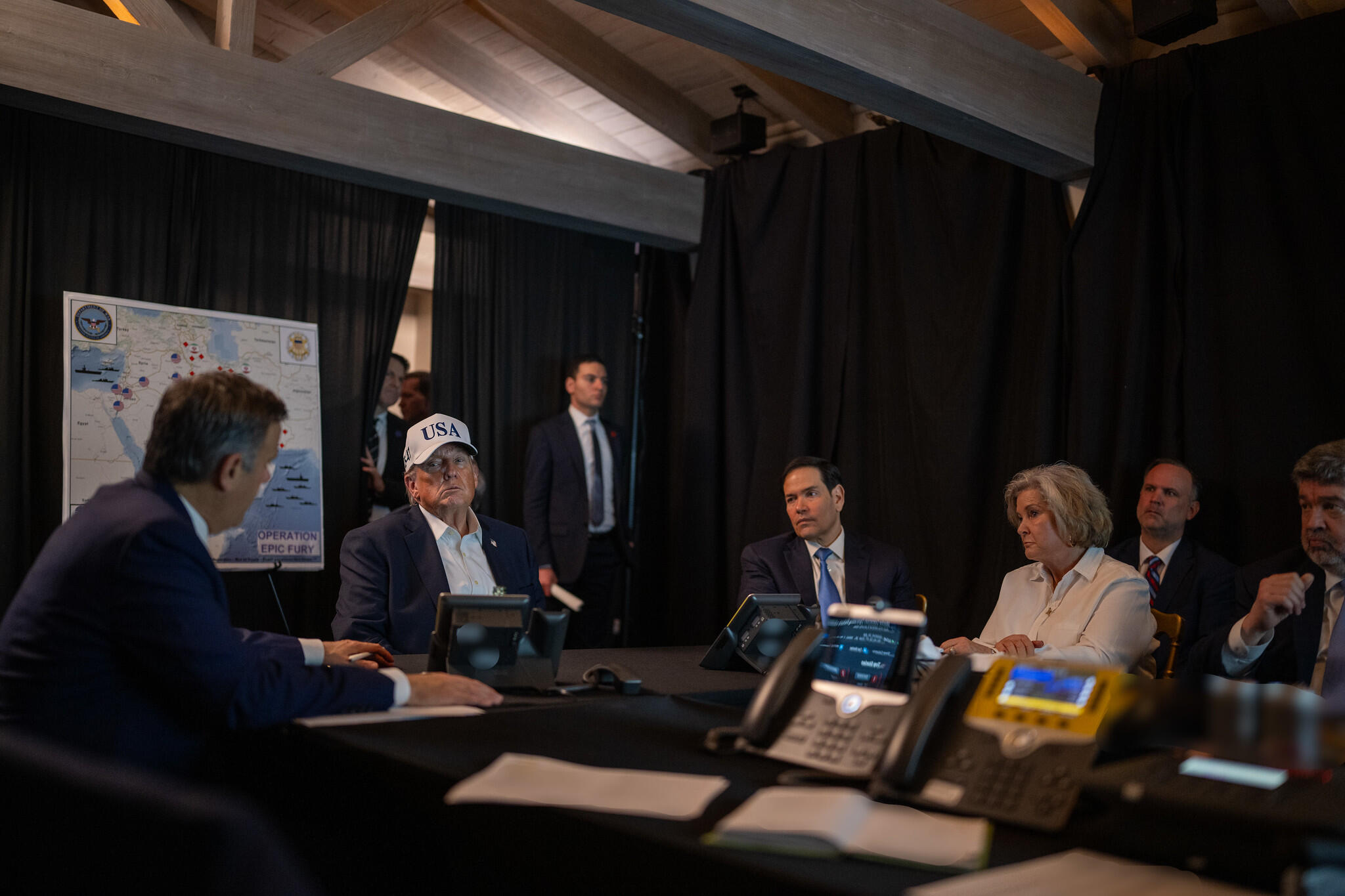
Speaking at the White House, Trump said the campaign was initially projected to last four to five weeks but warned that operations could continue “far longer than that”.
“Right from the beginning, we projected four to five weeks, but we have capability to go far longer than that,” he said.
In a separate phone interview with CNN, Trump signalled a significant escalation. “We haven’t even started hitting them hard,” he said, according to anchor Jake Tapper. “The big wave hasn’t even happened. The big one is coming soon.”
He added that operations were so far “going very well” and claimed the U.S. was “knocking the crap out of them”.
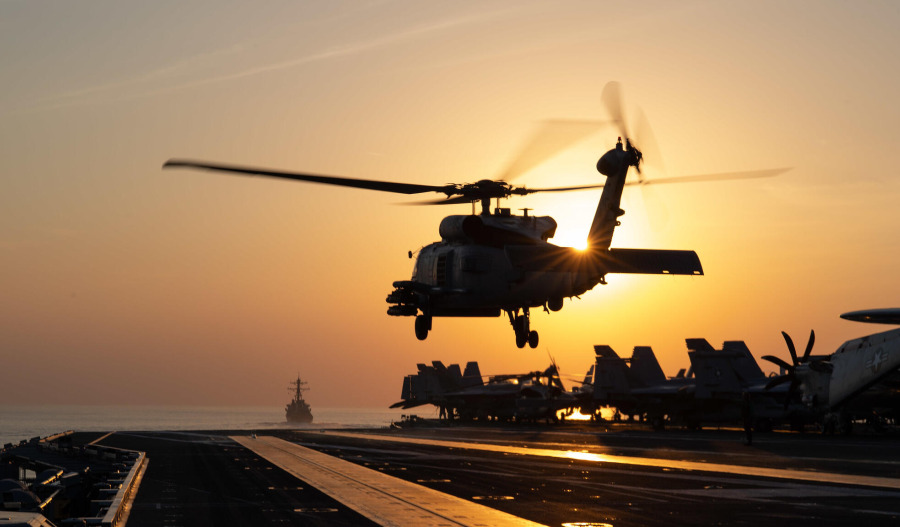
At the Pentagon’s first formal briefing since the campaign began, General Dan Caine, chairman of the Joint Chiefs of Staff, said additional U.S. forces were still deploying to the region.
“This is not a single, overnight operation,” Caine said. “We expect to take additional losses.”
The U.S. military said it had struck more than 1,250 targets inside Iran and destroyed 11 Iranian ships.
Strait of Hormuz closed
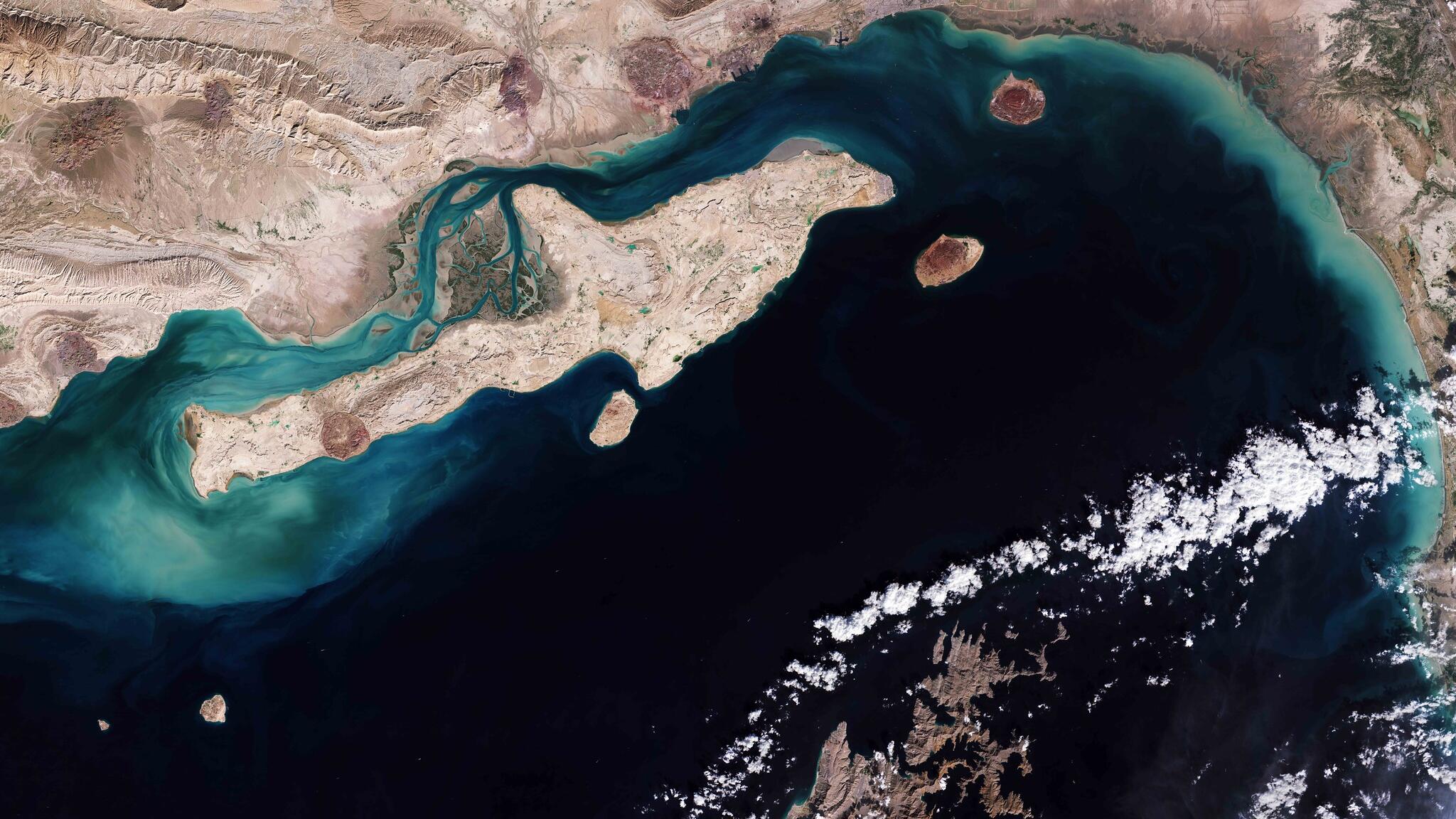
The conflict has had immediate consequences for global energy markets. An Iranian Revolutionary Guard commander declared the Strait of Hormuz closed and vowed to set alight any vessel attempting to transit the waterway.
The strait, which channels roughly one-fifth of global oil trade, is a critical artery for exports from Gulf producers.
According to shipping data firm Kpler, approximately 77 million barrels of oil have already been loaded onto tankers stranded inside the Persian Gulf, the highest level in six years.
A further 88 million barrels of shipping capacity remains in the region. Together, the stranded supply represents around 10 days’ worth of global shipments, suggesting a limited buffer before exports face severe bottlenecks.
Qatar, one of the world’s largest exporters of liquefied natural gas, halted production amid the maritime standstill. Saudi Arabia also shut its largest refinery after a drone strike sparked a fire.

War spreads to Lebanon
A new front opened when the Iran-backed Hezbollah militia launched missiles and drones towards Israel from Lebanon. Israel responded with sweeping airstrikes targeting Hezbollah-controlled southern suburbs of Beirut, saying it had struck senior militants.
Lebanon’s state news agency reported at least 31 people were killed and 149 injured in the attacks. An Iranian Shahed missile, believed by Cypriot officials to have been fired by Hezbollah, struck the British air force base at Akrotiri in Cyprus.
UK Prime Minister Keir Starmer said Britain would protect its personnel in the region but would not take offensive action.
Israel declared Hezbollah leader Naim Qassem a “target for elimination”, though officials indicated they were not currently considering a ground invasion of Lebanon.
The Lebanese government announced a ban on Hezbollah’s military activities.
Meanwhile, Iranian missiles and drones struck targets across the Gulf. Black smoke was seen rising near the U.S. embassy area in Kuwait, while explosions were reported in Dubai, Samha in the United Arab Emirates and the Qatari capital Doha.
Political risks at home
The domestic political implications for Trump are significant, with six U.S. service personnel reported killed.
Defence Secretary Pete Hegseth said the president “has all the latitude in the world” in determining the duration of the campaign and did not rule out deploying ground forces to Iran if required.
Within Iran, scenes of chaos have unfolded as residents jam highways to flee bombing. Reactions range from open celebration at the death of Khamenei, who had ruled since 1989, to anger and apprehension over foreign intervention.
Iran denies seeking nuclear weapons and says it had been offering to curb its nuclear programme during talks when the U.S. launched what it described as an unprovoked assault.
Abbas Araqchi, Iran’s foreign minister, called Khamenei’s killing a “religious crime” with serious consequences, while adviser Ali Larijani said Tehran would not negotiate with Trump, whom he accused of “delusional ambitions”.
Turkey joined Russia and China in condemning the U.S.-led operation, with President Recep Tayyip Erdogan calling it a “clear violation” of international law.
Markets brace for prolonged conflict
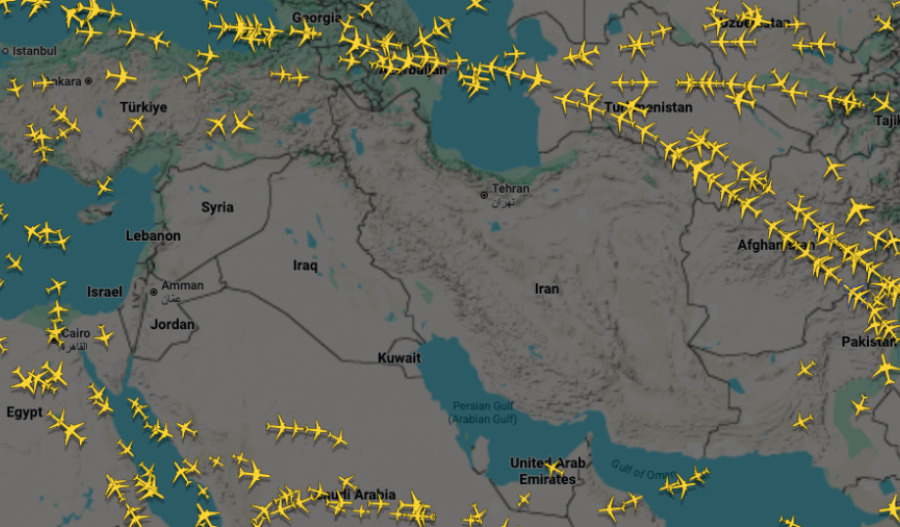
Air travel across the Middle East has been severely disrupted, with thousands of flights cancelled as carriers avoid conflict zones.
Shipping insurers have suspended coverage for vessels entering the Gulf, compounding supply chain pressures.
Military experts caution that airstrikes alone may not be sufficient to dislodge Iran’s conservative clerical leadership.
Without ground forces, they argue, the campaign risks becoming a prolonged war of attrition.
Trump has repeatedly encouraged Iranians to rise up against their leaders, but conceded it remains unclear who is now in charge in Tehran following Khamenei’s death.