
Oil prices rallied during Monday's Asian session, climbing to their highest levels in months as escalating attacks between Iran and Israel damaged tankers and disrupted shipments from the key producing region.
By 2:30 pm AEDT (3:30 am GMT), Brent crude futures were up US$3.88, or 5.3%, at US$76.75 per barrel after earlier touching their highest level since January 2025.
West Texas Intermediate crude gained US$3.39, or 5.1%, to US$70.41 a barrel, having earlier surged to US$75.33, its strongest level since June 2025.
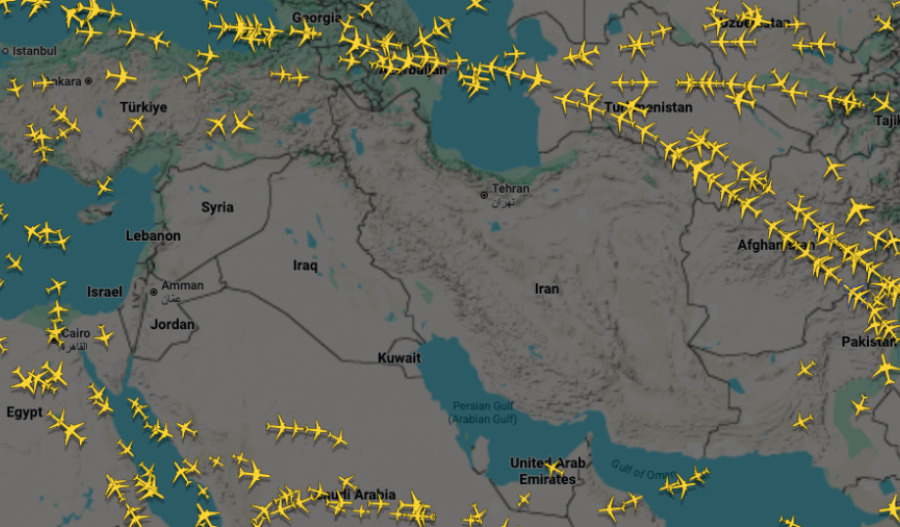
The renewed spike follows a fresh wave of Israeli strikes on Tehran on Sunday, with Iran responding with further missile barrages.

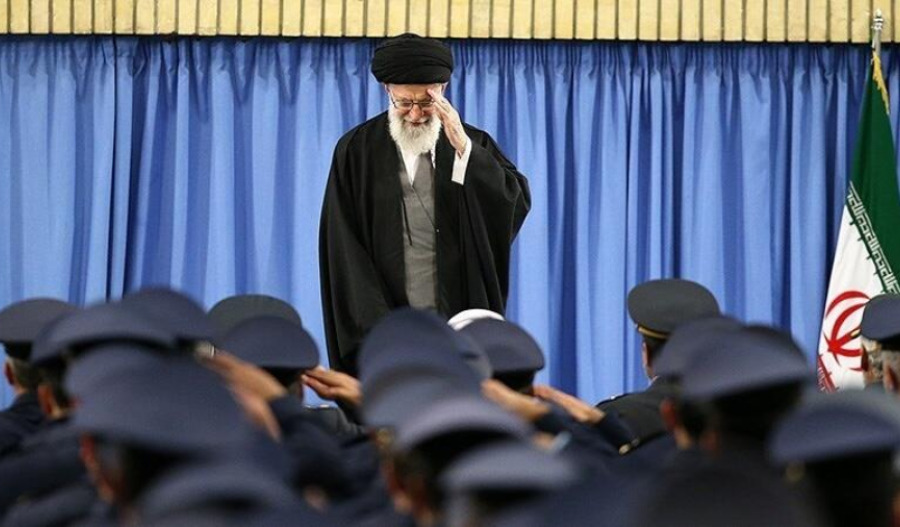
The escalation comes a day after the killing of Ali Khamenei, an event that has injected deep uncertainty into the Middle East and global markets.
Analysts at ANZ said the breakdown in diplomatic efforts and the subsequent escalation carry significant implications for energy markets. “With the retaliatory action now evolving to attacks on oil tankers in the Strait of Hormuz, the threat on oil supplies has substantially risen,” the bank said in a note.
The Strait of Hormuz is a critical artery for global crude flows, and any sustained disruption could have far-reaching consequences for energy supply and inflation.
Shipping sources and officials told Reuters that missiles struck at least three tankers off the Gulf coast, killing one seafarer and exposing other vessels to collateral damage.
Amid the mounting tensions, the OPEC+ group agreed on Sunday to increase output by a modest 206,000 barrels per day in April, continuing its gradual unwinding of prior production cuts.