The war between the United States and Iran escalated further on Wednesday after a U.S. submarine sank an Iranian warship off the coast of Sri Lanka, killing at least 80 people, while NATO air defences intercepted and destroyed an Iranian ballistic missile fired towards Turkey.
The widening confrontation came five days after the United States and Israel launched a military campaign against Iran that has killed hundreds and roiled global markets.
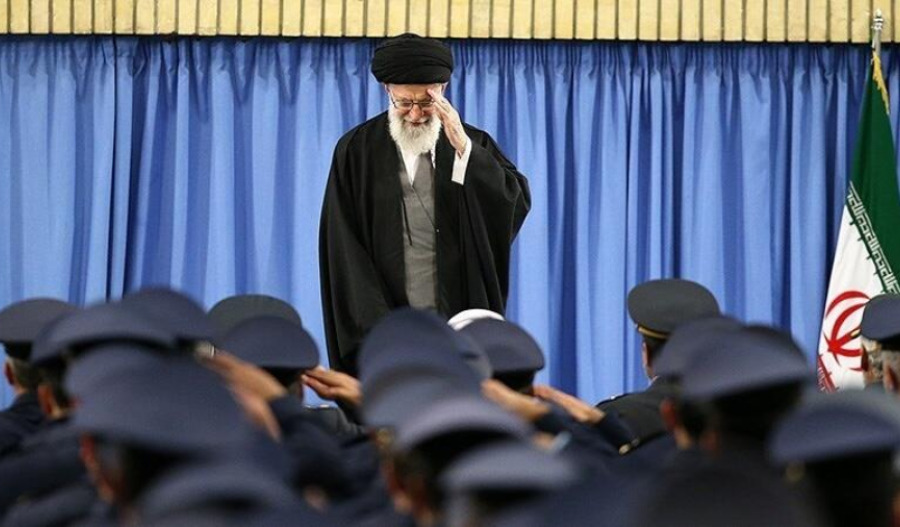
It also coincided with the emergence of Mojtaba Khamenei, son of Iran’s slain supreme leader, as a leading contender to succeed his father, signalling Tehran was unlikely to yield to mounting pressure.
The missile incident marked the first time Turkey — which borders Iran and maintains NATO’s second-largest military — has been directly drawn into the conflict.
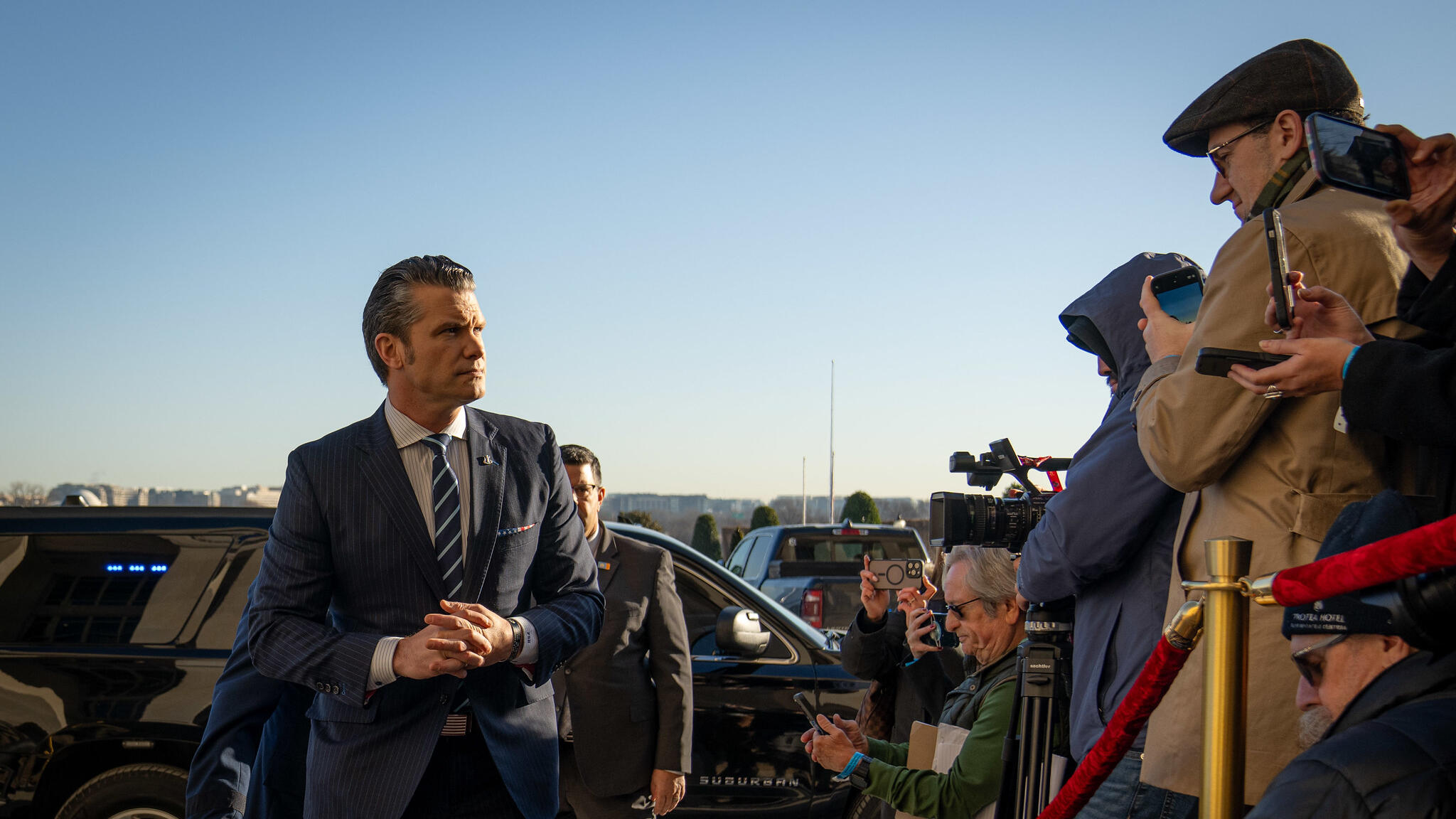
However, U.S. Defence Secretary Pete Hegseth said there was no indication the strike would trigger NATO’s collective defence clause.
Additionally, Hegseth confirmed the U.S. submarine strike targeted an Iranian warship off Sri Lanka’s southern coast, thousands of kilometres from the Gulf.
"An American submarine sunk an Iranian warship that thought it was safe in international waters. Instead, it was sunk by a torpedo. Quiet death," Hegseth said.
U.S. forces have also reportedly struck or sunk more than 20 Iranian ships, including one submarine, effectively neutralising Iran’s major naval presence in the region, Chairman of the Joint Chiefs of Staff Dan Caine said at the Pentagon.
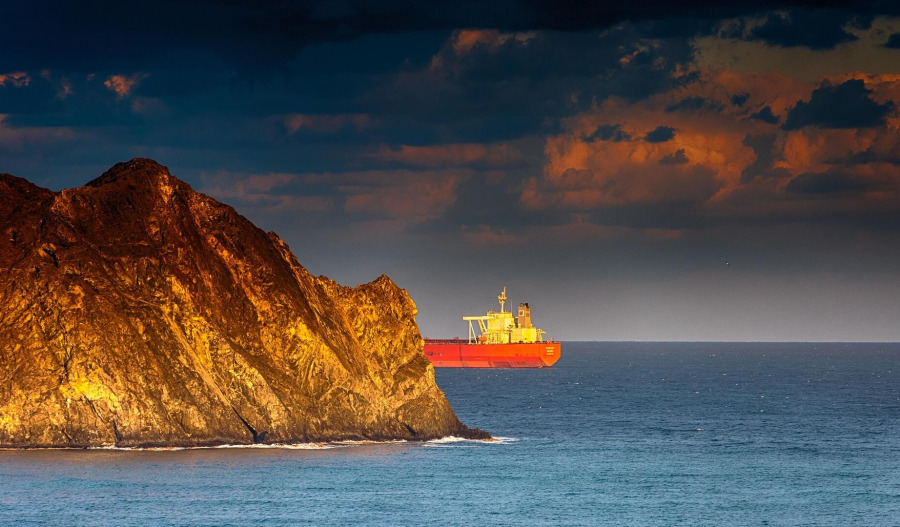
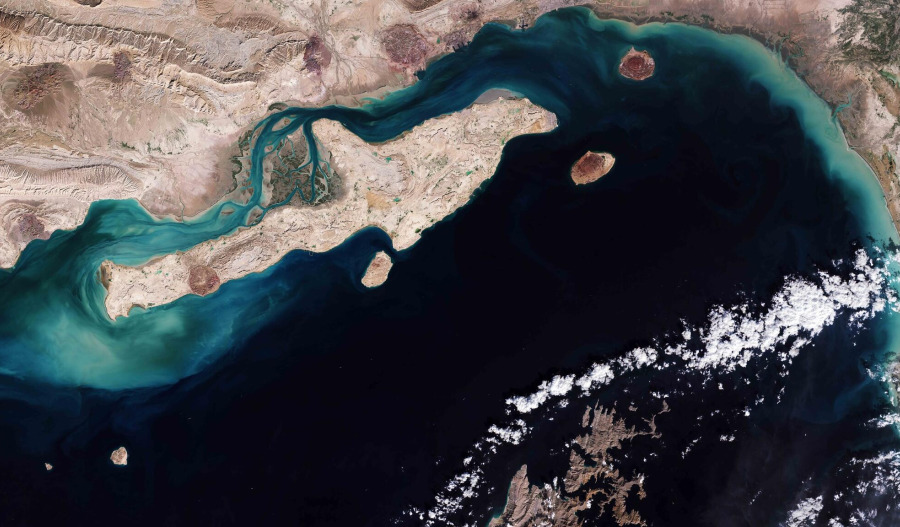
The action came as fighting paralysed shipping through the Strait of Hormuz for a fifth consecutive day, choking vital Middle Eastern oil and gas exports.
U.S. President Donald Trump has pledged to provide insurance guarantees and naval escorts for vessels exporting energy from the region in an effort to contain surging prices.
Nevertheless, Reuters estimates suggest at least 200 ships remain anchored offshore as operators weigh security risks.
The United States and Israel continued sustained strikes on Iranian targets, with Hegseth asserting that Washington was prevailing in the conflict.

"This was never meant to be a fair fight, and it is not a fair fight. We are punching them while they're down," Hegseth told a briefing at the Pentagon. "We can sustain this fight easily for as long as we need to."
By contrast, Iran has reduced the number of missiles it is firing, indicating its capabilities have been significantly degraded, according to Dan Caine.
The Israeli military said its aircraft struck a compound in eastern Tehran housing Iran’s security apparatus, including the Republican Guard, intelligence services, cyber warfare units and internal police responsible for suppressing protests.
Israel also urged residents to evacuate parts of southern Lebanon as it intensified operations against the Iran-backed group Hezbollah, which re-entered the conflict by launching drones and rockets into Israel earlier this week.
Fresh explosions were reported in Tehran as uncertainty surrounded funeral arrangements for Ali Khamenei, 86, who was killed by Israeli forces on Saturday in the first assassination of a nation’s top ruler by airstrike.
His body had been expected to lie in state in a major Tehran mosque from Wednesday evening, but state media reported that the farewell ceremony had been postponed.
Two Iranian sources told Reuters that Mojtaba Khamenei was not in Tehran at the time of his father’s death.
Iran’s Assembly of Experts, the body responsible for appointing the supreme leader, said it would announce its decision soon, only the second such transition since the Islamic Republic’s founding in 1979.
Assembly member Ahmad Khatami told state television that candidates had already been identified, though he did not disclose their names. Israel has stated it would pursue whoever is selected.
Other potential contenders include Hassan Khomeini, grandson of the Islamic Republic’s founder and a prominent reformist figure sidelined in recent decades.
However, Iranian sources said Mojtaba Khamenei remains the favourite, having consolidated influence within the security forces and associated economic networks. His selection would signal continued dominance by hardline factions.
Domestically, reactions within Iran have been mixed. Some citizens openly celebrated the death of the supreme leader, whose security forces were accused of killing thousands of anti-government demonstrators during recent unrest. However, critics of the government suggested significant protest activity was unlikely while the country remains under sustained bombardment.
Despite reservations about the conflict, several European nations have moved military assets into the region to protect their citizens and strategic interests. Britain and France said they would deploy naval and air forces to help guard against potential Iranian retaliation, while Greece has repositioned aircraft and warships to nearby Cyprus.