


As more large companies invest in AI, questions have arisen about whether the AI bubble is going to pop.
Swinburne Associate Professor of emerging technologies and FinTech, Dimitrios Salampasis, says the AI bubble is mostly driven by excitement and speculation rather than realistic profit expectations.
“Conceptually, the AI bubble revolves around the fact that asset prices, hype and expectations around AI push company values and investments far above their intrinsic value,” he tells Azzet.
“More specifically, within the context of AI, we observe soaring stock prices and valuations of AI-related firms, together with huge inflows and outflows of capital into AI chips, data centres and startups.
“This shows signs of self-reinforcing overvaluation. A bubble may also signal a big gap between investments and meaningful revenues/profit gains from the delivery of AI services."

US$1 trillion big tech buyout
Big tech companies, Amazon, Microsoft, Nvidia, Meta, Google and Oracle collectively lost US$1 trillion from their valuations in early February, creating renewed fear over the AI bubble.
Following this, stocks fell, with Amazon leading the charge, initially falling 5%.
Salampasis says he thinks a rebound for these companies and the AI industry is possible.
“This is an interesting question; with the 1$trillion AI-driven sell-off, I believe that a bounce is plausible over the next six to 18 months,” he says.
The loss in the market was led by announcements of higher-than-expected AI and data centre spending.
“This is a sign that even though investors worry about returns not matching scale, investors are still willing to return to situations where earnings and guidance are more plausible and realistic,” he says.
“It is important to note, though, that this bounce back will not be universal or without bumps; it will all depend on whether AI investments will show clear positions within earnings over the next few years.”
Amazon, Alphabet, Microsoft and Meta reported about $120 billion in capital expenditures in the fourth quarter alone.
The Financial Times said this figure could exceed $660 billion, which is higher than the gross domestic product of countries like the United Arab Emirates, Singapore and Israel.
In October 2025, global AI infrastructure spending had also crossed $1 trillion for the year.
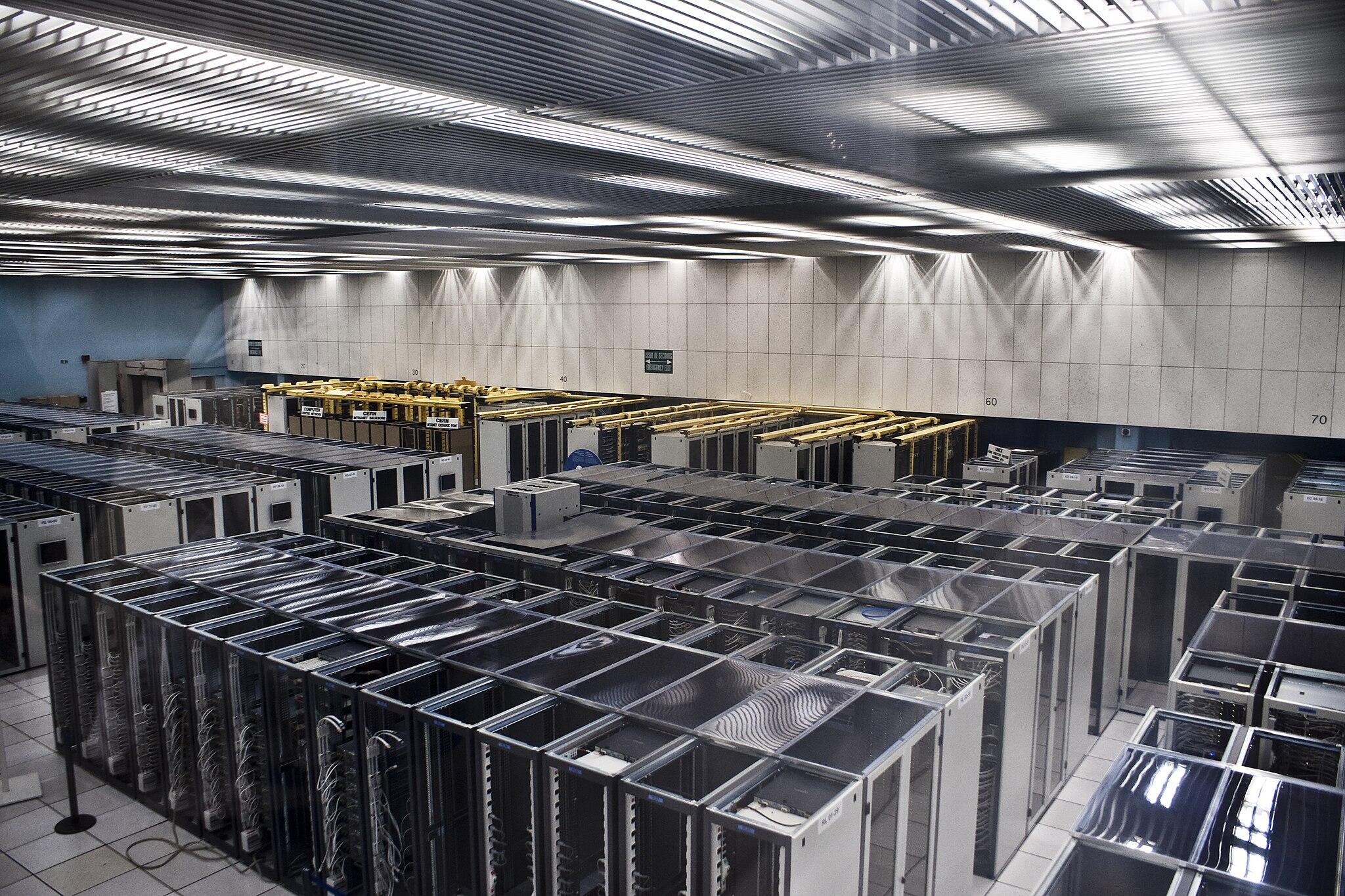
In recent earnings reports, Amazon shared that it expects to invest $200 billion in capital expenditures in 2026.
Microsoft’s capital expenditures and finance leases rose 66% to $37.5 billion, and separately unveiled that it plans to purchase $30 billion in cloud services from Microsoft and contract up to a gigawatt of additional computing capacity.
Salampasis says he believes that big tech companies will continue their large investments in AI.
“In my opinion, the narrative around AI investments will be driven by sustainability and ROI and not about decisions whether to abandon AI investments or not,” he says.
“Let’s not forget that Big Techs see AI as a strategic growth and transient advantage capability being core to their long-term strategy, ensuring customer acquisition, customer retention and customer stickiness, together with leveraging on network effects.”
Despite the large market value loss, Big Tech companies began to see a small turnaround the week of 10 February, led by Oracle, which surged 9% higher.
At the time of writing Oracle (NYSE: ORCL) stocks are up 2.34% to $160.14, Microsoft (NASDAQ: MSFT) shares are down 0.13% to $401.32, Nvidia (NASDAQ: NVDA) shares have fallen 2.21% to $182.81, Meta (NASDAQ: META) has fallen 1.55% to $639.77, Alphabet (NASDAQ, GOOGL) has shrunk 1.08% to $306.02, and Amazon (NASDAQ: AMZN) has dropped 0.41% to $198.79.
Shares for all of these companies have also dropped over the past month, as of 17 February, except Meta.
Big tech companies aren’t the only ones who have felt the impact of the sell-off, according to CNN.
Shares of major insurance brokers and real estate services have also fallen alongside the Dow Jones Transportation, which fell 4%.
The real estate industry is experiencing troubles as fewer workers for companies means less need for office space.
“If there are less office workers in the long run as a result of AI, there will be less demand for office space,” CBRE Group chief executive Bob Sulentic said on the company’s earnings call.
“That would be a long-term trend to unfold.”
RMIT University Dean of the School of Computing Technologies, Karin Verspoor, said investors have become more cautious around AI issues that have arisen, like hallucinations and misinformation.
“The tech companies started working to improve these aspects, to restore trust, but there has been recognition that the technology is imperfect, and that we do not fully understand the impact of its adoption,” she said.
“This has made some investors nervous.”
While there are fears of an AI disruption have been a dominant theme in the markets recently, Edward Jones senior global strategist Angelo Kourkfas told CNN that these fears are “speculative in nature” rather than based on immediate, fundamental changes to companies’ revenue streams.
“Yes, in the near term there could be fears of disruption across many different industries, but we know these companies are actively investigating ways to evolve and offer better platforms, products and services as a result of that,” Kourkafas said.