
Gold prices edged lower during Asian trading on Thursday but remained above the key US$4,500 level as easing geopolitical tensions and improving investor sentiment reduced safe-haven demand.
By 4 pm AEST (6 am GMT), spot gold was down 0.3% at US$4,531.73 per ounce, extending a modest recovery from seven-week lows reached earlier in the week.
The precious metal found some support after the United States dollar index (DXY) retreated overnight amid renewed optimism surrounding possible peace negotiations between the U.S. and Iran.
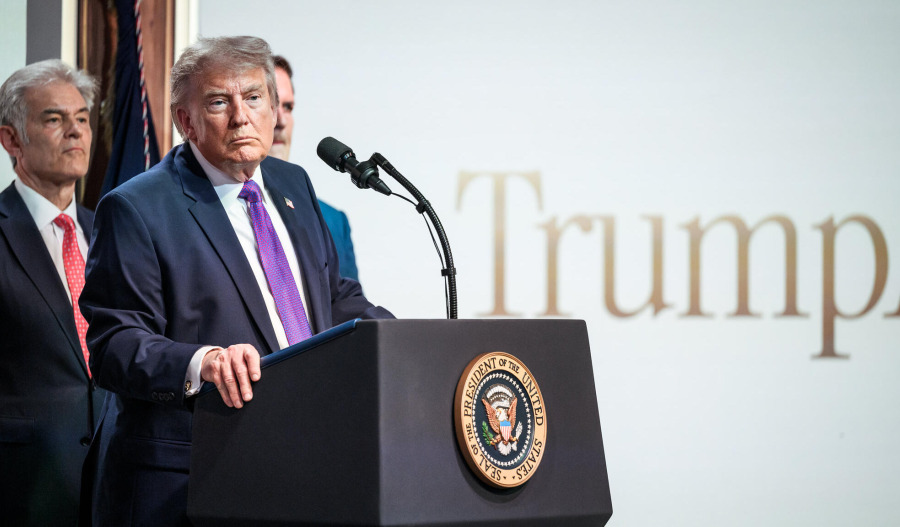
Market sentiment improved after U.S. President Donald Trump said Washington was in the “final stages” of negotiations with Tehran, fuelling hopes that tensions in the Middle East could ease.
Risk appetite was also supported by strong earnings from artificial intelligence giant NVIDIA and news that a workers’ strike at Samsung Electronics had been suspended, boosting chipmaker shares across Asia and lifting broader equity markets.
The improved market mood weakened demand for traditional safe-haven assets, including the U.S. dollar, while also helping keep oil prices and inflation fears relatively contained.

Those developments allowed gold to maintain some recovery momentum following recent selling pressure.
Meanwhile, minutes from the Federal Reserve’s April policy meeting released on Wednesday reinforced expectations that rates could remain elevated for longer.
The minutes showed that a majority of participants highlighted that “some policy firming would likely become appropriate if inflation were to continue to run persistently above 2 percent”, according to the release.
Higher interest rates typically weigh on non-yielding assets such as gold by increasing the opportunity cost of holding bullion.
Investors also remained cautious over the geopolitical outlook after Trump reiterated warnings that the U.S. remained prepared to launch further attacks if Iran failed to agree to a deal.
Market participants are now awaiting the release of key U.S. economic data later on Thursday, including S&P Global Manufacturing and Services PMI figures, for further clues on the strength of the economy and the Federal Reserve’s future policy path.
The data is expected to play a significant role in shaping expectations for interest rates and could influence the near-term direction of gold prices.