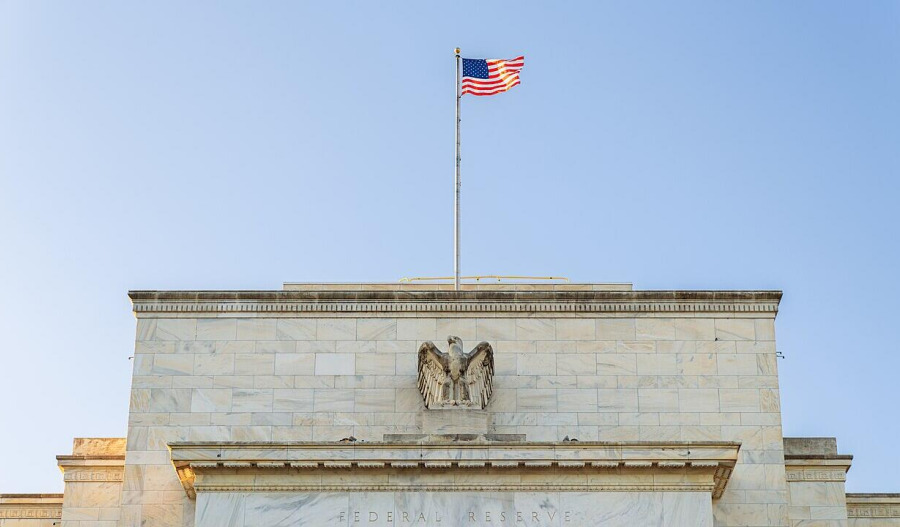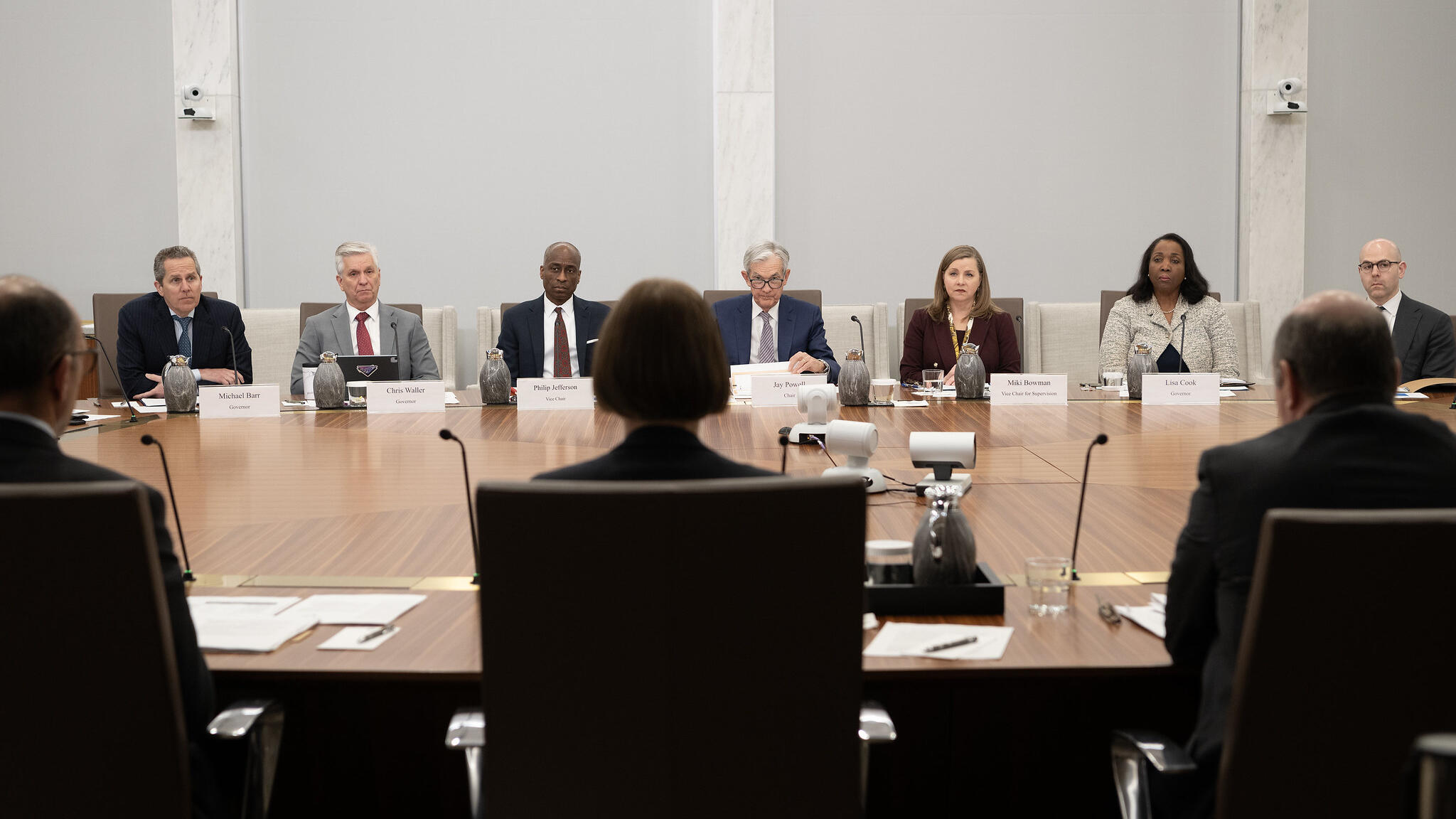
Federal Reserve officials grew increasingly concerned last month that inflation pressures stemming from the Iran war could require additional interest rate increases, according to minutes from the central bank’s latest policy meeting.
Policymakers ultimately voted to keep the federal funds rate unchanged within a range of 3.5% to 3.75%, though the minutes revealed a growing divide within the committee over the future direction of monetary policy.
While some officials continued to support eventual rate cuts should inflation ease or labour market conditions weaken, a larger number indicated they were increasingly open to tighter policy if inflation remained elevated.
The minutes stated: “A majority of participants highlighted, however, that some policy firming would likely become appropriate if inflation were to continue to run persistently above 2 percent.
"To address this possibility, many participants indicated that they would have preferred removing the language from the postmeeting statement that suggested an easing bias regarding the likely direction of the Committee's future interest rate decisions.
"Participants noted that monetary policy was not on a preset course and that future policy decisions would be made on a meeting-by-meeting basis.”
The minutes showed officials “generally judged” interest rates would likely need to remain elevated for longer than previously anticipated, with a “vast majority” warning that inflation could take longer than expected to return to the Fed’s 2% target.
At the same time, policymakers broadly expected labour market conditions to remain stable in the near term.
The latest meeting marked the second consecutive gathering in which more policymakers believed a rate hike could become necessary if inflation remained above target, reflecting growing concerns over the inflationary impact of the conflict involving Iran.
The nearly three-month-long war has driven energy prices sharply higher and contributed to broader cost pressures across goods and services throughout the economy.
Although several officials still supported the prospect of eventual rate cuts once inflation moderated, the number holding that view declined compared with the March meeting, where “many” policymakers had favoured easing policy later in the year.
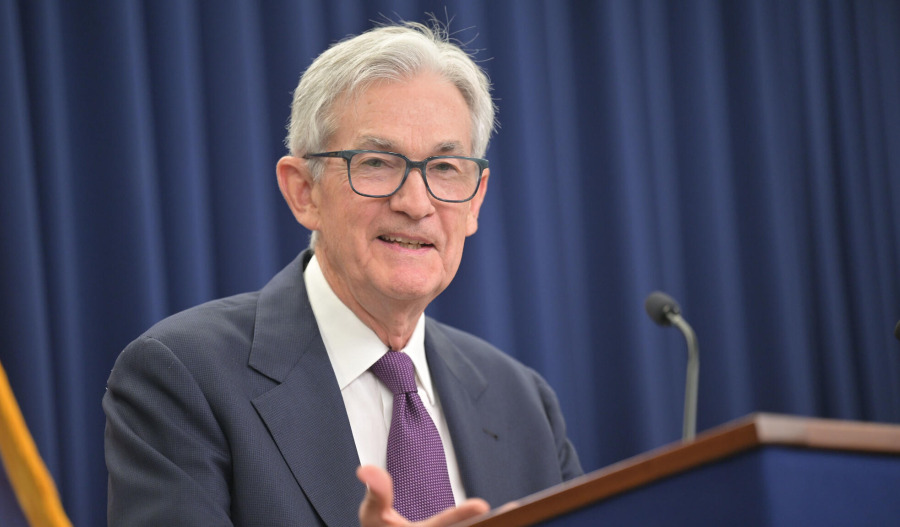
The April meeting, which was the last chaired by Jerome Powell before Kevin Warsh prepares to assume leadership of the central bank, also featured an unusually high level of dissent.

Four policymakers dissented from the rate decision, the highest number since 1992.
The split reflected diverging views over the policy outlook. Governor Stephen Miran, a Trump appointee set to leave the Fed on Friday to make way for Warsh, dissented in favour of a rate cut.
Three other officials objected to the Fed’s continued use of language in its policy statement that implied the possibility of future rate cuts.
The minutes also noted that financial markets had become more cautious during the period between meetings.
“Over the intermeeting period, the market-implied expected path of the federal funds rate moved up modestly, showing only a slight decline over the remainder of the year.
"The higher expected policy rate path was driven in part by investor concerns about the potential for near-term inflationary pressures due to the conflict in the Middle East.
"While both market- and survey-based measures of inflation expectations indicated upside risks to the near-term inflation outlook, measures of medium- and longer-term inflation expectations remained well anchored.”
Fed staff concluded that risks to economic growth and employment remained skewed to the downside, while inflation risks were tilted upward.
“On balance, risks to the forecasts for employment and real GDP growth were seen as tilted to the downside. Risks to the inflation projection were seen as skewed to the upside: With inflation having run significantly above 2 percent over the past five years, with further increases in inflation likely to occur as a result of the conflict in the Middle East, and with emergent price pressures in a few categories that appeared unrelated to tariffs or energy prices, the staff viewed the possibility that inflation would be more persistent than anticipated as a salient risk.”
Warsh is scheduled to chair his first Federal Reserve meeting on June 16-17, though markets currently see little chance of any immediate change to interest rates.
His key challenge is expected to be convincing fellow policymakers that productivity gains driven by artificial intelligence advancements could ultimately offset inflationary pressures from higher energy prices and broader geopolitical disruptions.
Among those colleagues will be Powell himself, who has opted to remain on the Board of Governors despite stepping down as chair. Powell has two years remaining in his term and said in April he intended to remain “for a period of time to be determined”.
No Federal Reserve chair has remained on the board after leaving the top role in nearly 80 years.