Oil prices edged higher during Thursday's Asian trade, recovering part of the previous session’s steep losses as investors weighed uncertainty surrounding Iran–United States peace negotiations alongside tightening supply conditions and large drawdowns in U.S. crude inventories.
By 2:45 pm AEST (4:45 am GMT), Brent crude futures rose $0.93, or 0.9%, to US$105.95 per barrel, while U.S. West Texas Intermediate crude futures gained $1.01, or 1%, to US$99.27 per barrel.
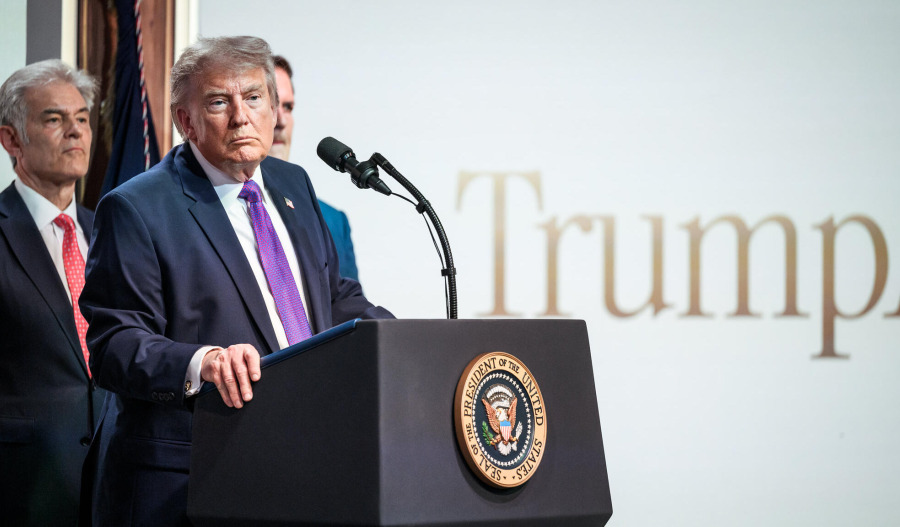
Both benchmarks had plunged 5.6% and 5.7%, respectively on Wednesday to their lowest levels in more than a week after United States President Donald Trump said negotiations with Iran were in their “final stages”.
However, Trump also warned that Washington remained prepared to launch further attacks if Tehran failed to agree to a peace deal, adding to uncertainty over the outlook for the conflict.
Market attention remained focused on the Strait of Hormuz, a key global shipping route that previously carried oil and liquefied natural gas equivalent to around 20% of global consumption before the outbreak of war.
ING Commodities Strategists said in The Commodities Feed: "There appear to be additional crude oil tankers passing through the Strait of Hormuz.
"Ship tracking data showed at least two VLCCs navigated the strait on Wednesday, and possibly a third. This would equate to 6 million barrels. More recently, we’ve seen more oil making its way out of the Persian Gulf, but clearly, flows remain well below normal levels.

"Our base case sees Brent averaging $104/bbl this quarter. Then, we see oil trading into the $90s in the second half of the year, assuming that Strait of Hormuz oil flows amount to around 4m b/d by the end of May."
Iran also warned against renewed military action and moved to further strengthen control over the strategically vital waterway.
On Wednesday, Tehran announced the establishment of a new "Persian Gulf Strait Authority", stating that a "controlled maritime zone" would operate within the Strait of Hormuz.
Iran effectively shut the Strait following U.S. and Israeli attacks that triggered the conflict on 28 February. While most fighting has subsided since an April ceasefire, maritime flows through Hormuz remain heavily restricted, and the United States continues to blockade Iran’s coastline.
Oil prices also found support from tighter US supply data.
The U.S. Energy Information Administration (EIA) said on Wednesday that nearly 10 million barrels of crude oil were withdrawn from the Strategic Petroleum Reserve last week, marking the largest drawdown on record.
In addition, U.S. commercial crude oil inventories, excluding the Strategic Petroleum Reserve, fell by 7.86 million barrels in the latest week, significantly exceeding expectations for a 2.9 million barrel decline.