Gold extended its recovery for a third consecutive session on Monday, as investors reacted to news of a peace agreement between the United States and Iran and turned their focus towards this week's Federal Reserve policy meeting.
The precious metal traded above the US$4,300 level during Asian hours after rebounding from year-to-date lows near the $4,000 mark reached last week.
By 3:50 pm AEST (5:50 am GMT), spot gold was up 2.4% at US$4,315.37 per ounce.
Market sentiment improved after the United States and Iran reached an initial peace agreement on Sunday, ending nearly four months of conflict.
The deal is scheduled to take effect on Friday, 19 June, subject to a formal signing ceremony in Switzerland.
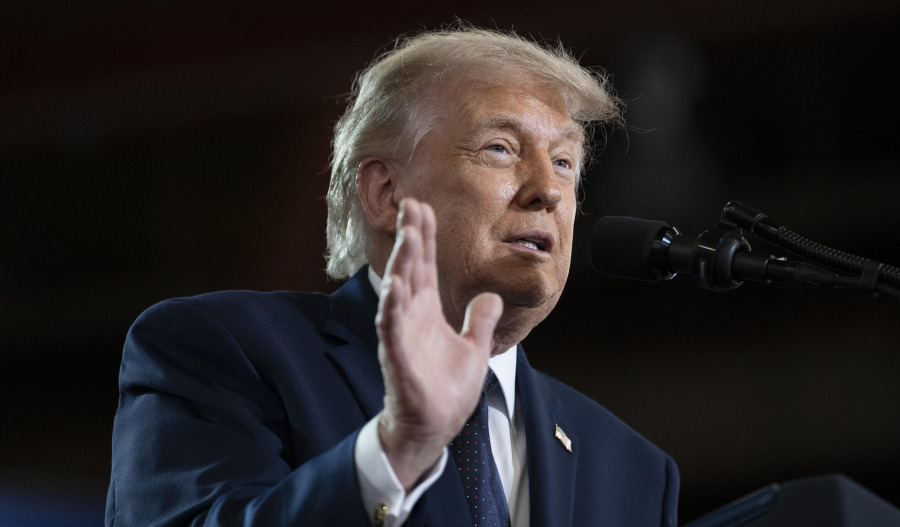
President Donald Trump posted on Truth Social, saying that the agreement would ensure the Strait of Hormuz remained “toll-free”.

The easing of geopolitical tensions sparked a rally across Asian equity markets and encouraged investors to move away from traditional safe-haven assets.
At the same time, the U.S. dollar weakened as traders sought higher-yielding and risk-sensitive investments.
Gold also benefited from a sharp decline in oil prices after confirmation that the Strait of Hormuz would reopen. Lower energy prices are expected to reduce inflationary pressures globally, easing concerns about persistent price growth.
The drop in oil prices has also led investors to reassess expectations for U.S. monetary policy. Reduced inflation risks could lessen the likelihood of future Federal Reserve rate increases, a supportive backdrop for non-yielding assets such as gold.
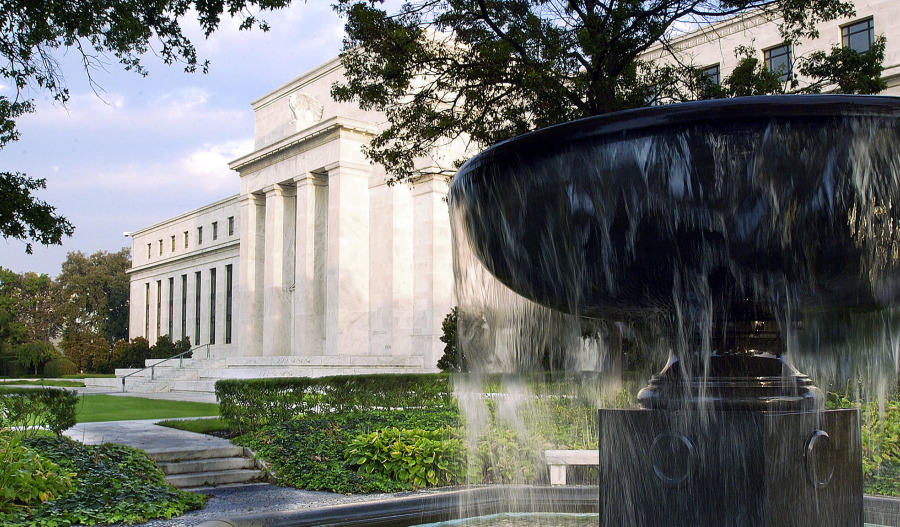
Attention is now shifting to the Federal Reserve's two-day policy meeting, which begins on Tuesday and marks the first meeting chaired by Kevin Warsh.
While markets overwhelmingly expect policymakers to leave interest rates unchanged, investors will closely scrutinise the accompanying statement and economic projections for clues on the future direction of monetary policy.