The International Energy Agency (IEA) warned that Europe only has “maybe six weeks or so” of remaining jet fuel due to oil shortages caused by the closure of the Strait of Hormuz.
IEA executive director, Fatih Birol, said that there would be flight cancellations “soon” if oil supplies from the Middle East were not restored within the coming weeks.
“I can tell you soon we will hear the news that some of the flights from city A to city B might be cancelled as a result of lack of jet fuel,” he said.
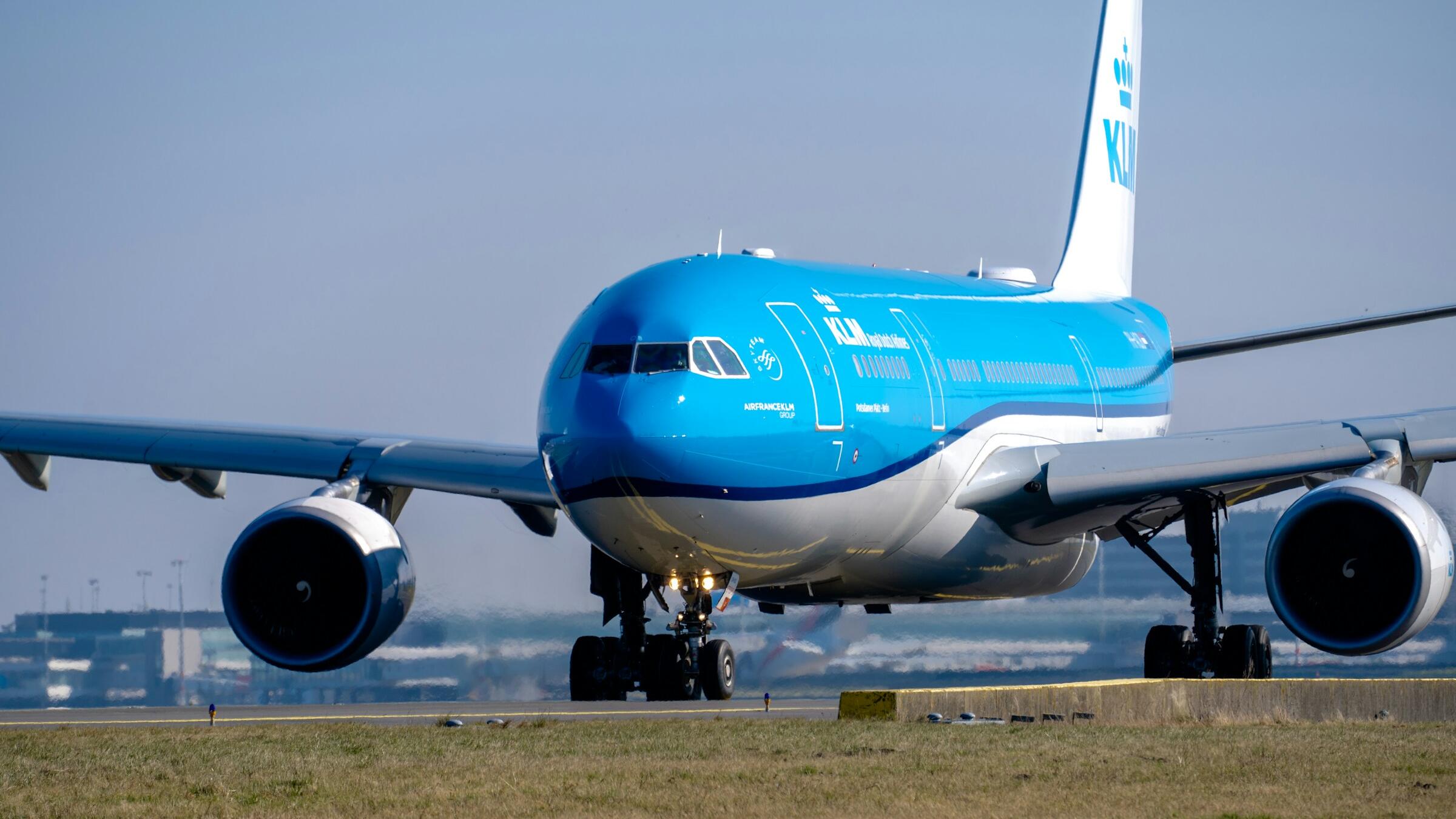
Dutch airline KLM said it would cut 160 flights in the coming month due to the high kerosene jet fuel prices.
While this accounts for less than 1% of its schedule, the cancellations underline the financial pressure on the airline industry.
This concerns a limited number of flights within Europe that, due to rising kerosene costs, are currently no longer financially viable to operate. There is no kerosene shortage.
“KLM expects a busy May holiday period and is making sure passengers can travel to their holiday destinations as planned.”

Birol also said the global repercussions of the war in Iran could lead to “the largest energy crisis we have ever faced”, stemming from the pinch-off of oil, gas and other vital supplies through the Strait of Hormuz.
“It’s a dire strait now, and it is going to have major implications for the global economy,” he said.
“And the longer it goes, the worse it will be for the economic growth and inflation around the world.”
Despite the dire impacts of Europe, Birol told the Associated Press that developing countries would take the brunt of the pain.
Birol said not reopening the Strait of Hormuz, where around 20% of the world’s oil passes through during peacetime, could lead to a slowdown in economic growth or even trigger a recession.
“Many government leaders tell me that if Hormuz is not open until (the) end of May, many countries — starting from the weaker economies — are going to face huge challenges, and this will go from the high inflation numbers to coming close to slow growth or even to recession in some cases,” he said.
This echoes sentiments shared by the International Monetary Fund.