
United States Treasury Secretary Scott Bessent said the economy will be slower this quarter due to the war in Iran, but it is in good shape to rebound.
In an interview with CNBC, Bessent said while oil prices have risen, he doesn’t expect the war to greatly impact inflation.
He also said he expects gas prices to decline.
“I think the gas prices will start coming down pretty quickly,” he said.
“We’ve had the big declines in the past two weeks.”
This comes as average gas prices decrease across the U.S., despite remaining significantly higher than before the war in Iran started and the Strait of Hormuz was blocked.

While economic growth is expected to be slower in the next quarter, Bessent said the U.S. economy was strong enough in the first quarter that it shouldn’t be a major issue.
“We’ve heard the president say that one of the reasons he believed that he was able to prosecute this war now and you know other than he believed it was the right time to prevent Iran from having a long-term nuclear weapon, and to decapitate the regime was that the economy was in such good shape,” he said.
While Bessent said he doesn’t know when the war is going to end, he told the BBC that he was less concerned about the economic hit than the risk Iran posed to global security.
"I wonder what the hit to global GDP would be if a nuclear weapon hit London... I am saying that I am less concerned about short-term forecasts, for long-term security," he said.
This comes as the International Monetary Fund warns that the world could face “a close call for a global recession” if the war continues to send energy costs soaring.
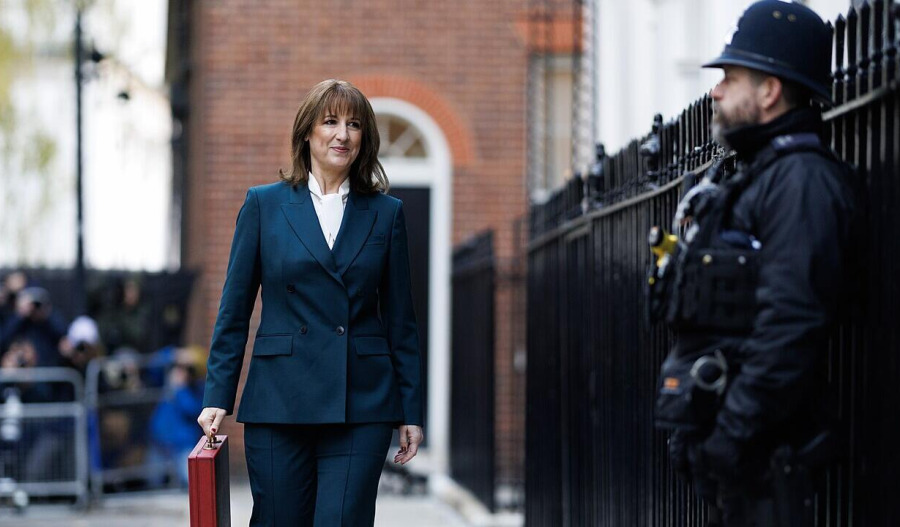
U.K. finance minister Rachel Reeves has also slammed U.S. President Donald Trump for the impact the war has had on the global economy.
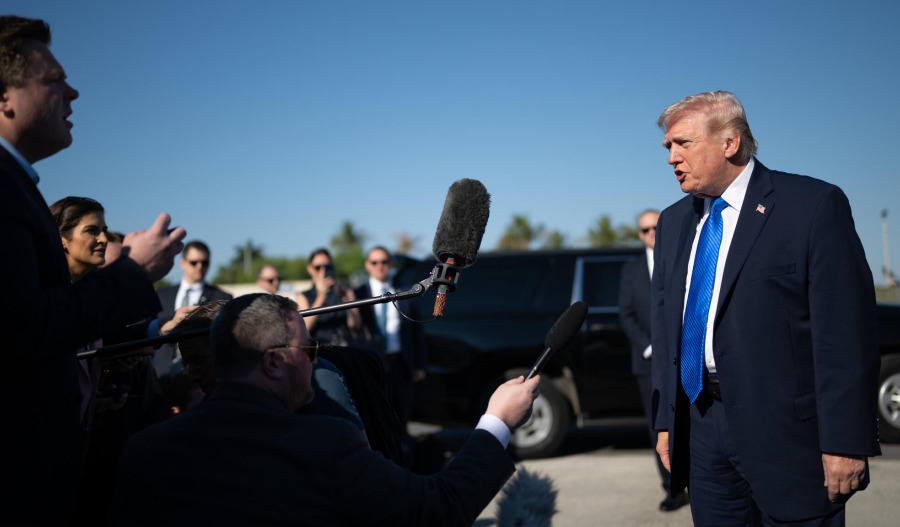
Trump said the war is “very close to over”, despite the U.S. still working out negotiations with Iran.