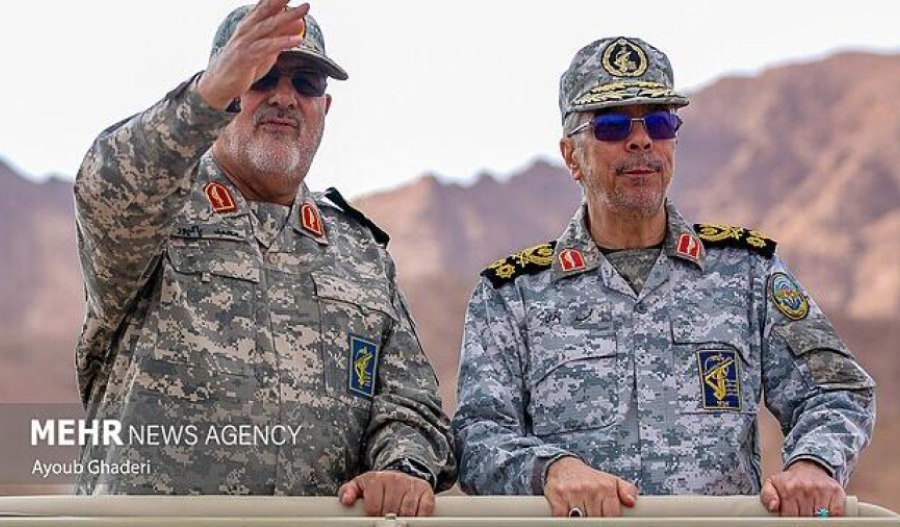
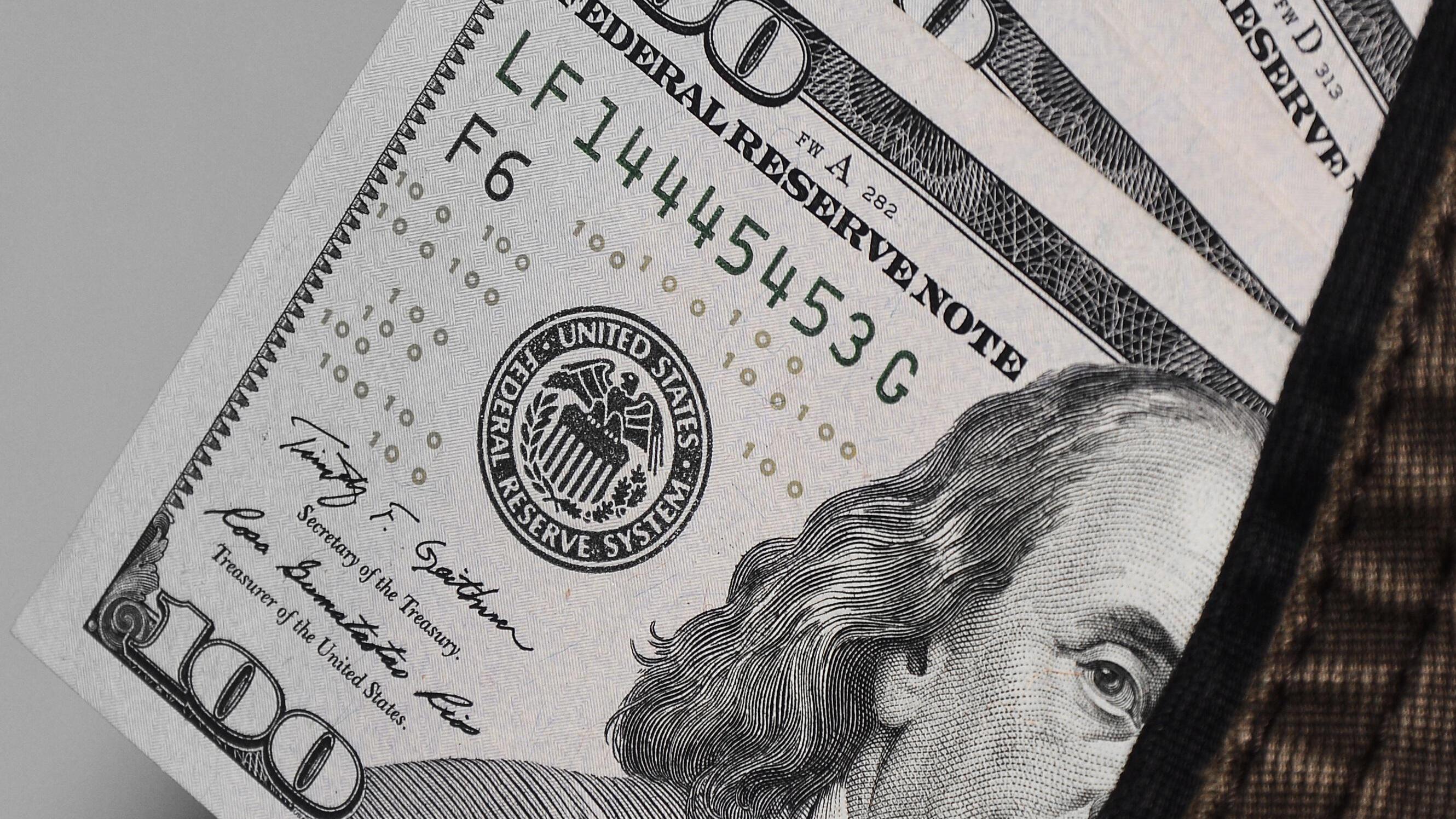
Does United States President Donald Trump’s sustained war with Iran represent a circuitous attempt to stanch the continued decline of the petrodollar – aka U.S. dollars earned by countries through oil exports – one of the lingering remnants of U.S. exceptionalism, which was elevated at the end of World War II?
Much of the noise and hype surrounding the Iran War is focused on a reopening of the Strait of Hormuz.
Meanwhile, what’s often overlooked is that while around 80% of global oil trades are still U.S.-dollar-denominated, there are already efforts in play by China, Russia and the BRICs trading block to diversify away from the U.S. dollar, which, among other things, would enable them to avoid financial sanctions.
Efforts by China to launch yuan-denominated crude oil futures clearly threaten to undermine the petrodollar, and this is something that the U.S. administration prays never happens.
If oil were no longer traded in U.S. dollars - marking the end of the "petrodollar" system - the U.S. economy would likely face significant structural shifts, primarily driven by a decrease in global demand for the greenback.
In short, the U.S. would risk losing what's often regarded as its “exorbitant privilege”, which could compromise its ability to run large deficits and print money, with global demand acting as a cushion.
What the U.S.-Israel-Iran war has clearly exposed is vulnerabilities in dollar-dominated oil trade, which has underpinned America's seven-decade-long global power.
As well as creating a structural demand for American currency, the "petrodollar" system has also allowed the U.S. to finance deficits, keep interest rates low, and wield disproportionate influence over global institutions.
While doubts over the durability of the "petrodollar" system are far from new, the latest U.S-Israel military aggression against Iran has exposed a brand new layer of volatility.
What Trump clearly didn’t bargain for in his playbook over Iran was the fallout that would prod the global economy toward a more multipolar and less America-centric financial order.

While the Trump administration was expecting a rapid collapse of the Iranian regime, it is now being framed as one of the most substantive foreign policy blunders in American history.
Far from capitulating, Tehran has gone on to capitalise on its chokehold of the Strait of Hormuz – which accounts for around 20% of global seaborne oil and LNG passes.
Despite threats and sanctions from the U.S. and its allies, Iran has never prevented passage through the strait.
While the decision to levy transit fees was arguably a blow to Trump’s plans, the decision by Iran to demand payments in Chinese currency and stablecoins threatens to further undermine the U.S. dollar's supremacy – something the White House clearly didn’t foresee happening.
Some analysts are now speculating that the U.S. blockade of Iranian ports will only encourage nations to reconsider their dependence on U.S.-led frameworks.
However, it’s important to remember that due to grave doubts over U.S. institutions and policies, the global appetite to decouple from U.S.-led frameworks has been going on for some time.
“The decline in the dollar's dominance carries costs for the U.S., including a notable drop in the 'convenience yield' of U.S. Treasuries and the potential for a more expensive long-term fiscal outlook,” noted National Today.
“This transition reflects a broader pattern of aggressive U.S. state power that feeds a growing rebalancing away from the dollar toward a more multipolar world order.”
Doubts over the predictability and coherence of U.S. policy have seen the trade-weighted dollar fall around 7% over the last year.
Meanwhile, China's renminbi is increasingly used in international transactions, and central banks are quietly diversifying reserves away from U.S. dollars.
Further evidence that reverence for the U.S dollar is waning is evident in its declining share of global reserves, which has slipped from around 71% in 2001 to around 57% by late last year.