
United States. stock futures were little changed on Monday night (Tuesday AEST) after a strong rally on Wall Street erased losses tied to the Iran conflict, as investors remained cautiously optimistic about a potential diplomatic resolution.
Futures linked to the Dow Jones Industrial Average were flat by 8:50 am AEST (10:50 pm GMT), while S&P 500 futures edged 0.1% higher and Nasdaq-100 futures rose 0.2%.
The muted moves followed a resilient session for U.S. equities, with major indices posting solid gains despite the collapse of peace talks between the United States and Iran over the weekend.
Market participants appeared to look beyond the immediate setback, focusing instead on the possibility that negotiations could still yield an agreement.
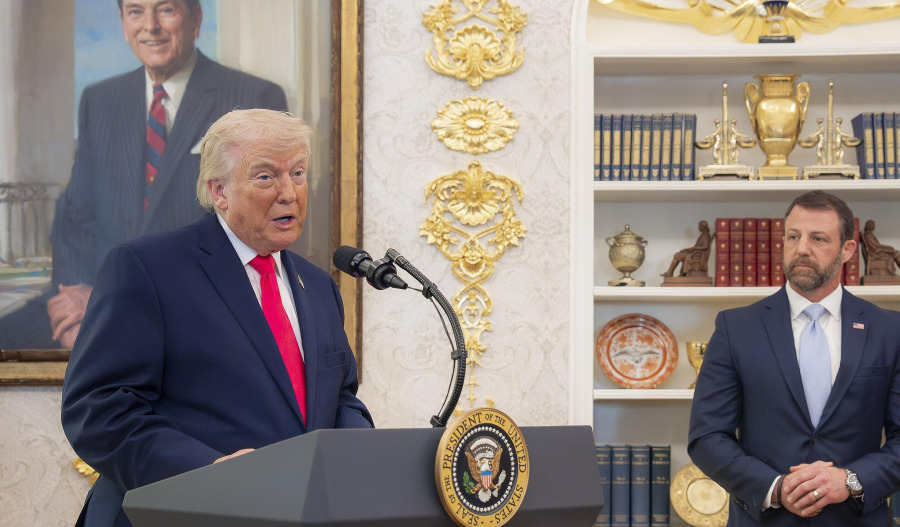
President Donald Trump reinforced that sentiment on Monday, stating, “We’ve been called by the other side.” He added: “They’d like to make a deal very badly.”
Monday’s rally marked a turning point for markets, with the S&P 500 fully recovering losses recorded since the onset of the Iran war.

Investors also shrugged off a rise in energy prices. West Texas Intermediate crude futures climbed 2.6% to settle at $99.08 per barrel, while Brent crude advanced more than 4% to $99.36 per barrel.
The increase came as the United States began a blockade in the Strait of Hormuz, raising concerns over global supply.
ANZ commodity analysts noted: "The oil market no longer needs a worst-case escalation to justify higher pricing levels. Tight balances alone are sufficient to sustain the price of Brent near or above recent threshold levels.
"The longer the conflict drags on, the more persistent these price dynamics are likely to be.
"We have upgraded our price forecasts. We now expect Brent crude to end the year at USD88/bbl."
Attention now turns to the upcoming earnings cycle, with major U.S. banks set to report on Tuesday. JPMorgan Chase and Wells Fargo are among the first to release results, providing key insight into the health of the financial sector.
These updates follow a mixed report from Goldman Sachs. The bank’s shares declined 1.9% on Monday after first-quarter fixed income trading revenue fell by 10% from a year earlier, overshadowing a surge in investment banking fees and an overall profit result that exceeded analyst expectations.