
Consumer sentiment in the United States has fallen to its lowest level on record, as households brace for rising prices linked to the Iran war and a surge in energy costs, according to closely watched survey data released Friday.
The preliminary April reading of the University of Michigan’s consumer sentiment index dropped to 47.6, a 10.7% decline from March and the weakest result in the survey’s more than 70-year history, based on data published by the University of Michigan.
The sharp deterioration coincided with a rapid increase in inflation expectations and followed weeks of volatility tied to disruptions in global energy markets.
The figures underpin growing concern that the Iran war is feeding through to domestic prices, threatening consumer spending and broader economic stability.
Survey director Joanne Hsu said responses indicated “many consumers blame the Iran conflict for unfavourable changes to the economy”, with sentiment weakening across all demographic groups, including age, income and political affiliation.
Expectations for inflation over the next 12 months jumped to 4.8%, up from 3.8% in March - the largest monthly increase since April 2025.
Longer-term expectations also edged higher, with the five-year outlook rising to 3.4%, with both measures now sitting well above pre-pandemic norms.
The survey period, which ran from March 24 to April 7, captured sentiment before the announcement of a temporary ceasefire, with 98% of responses collected prior to the development.
Hsu said expectations could stabilise if energy markets ease, noting that “economic expectations will likely improve” if supply disruptions abate.
Separate inflation data released the same day by the Bureau of Labor Statistics showed consumer prices rose 0.9% in March, pushing annual inflation to 3.3%.
Officials attributed most of the increase to a sharp rise in energy costs, while food prices were broadly unchanged.
Energy markets have borne the brunt of the conflict.

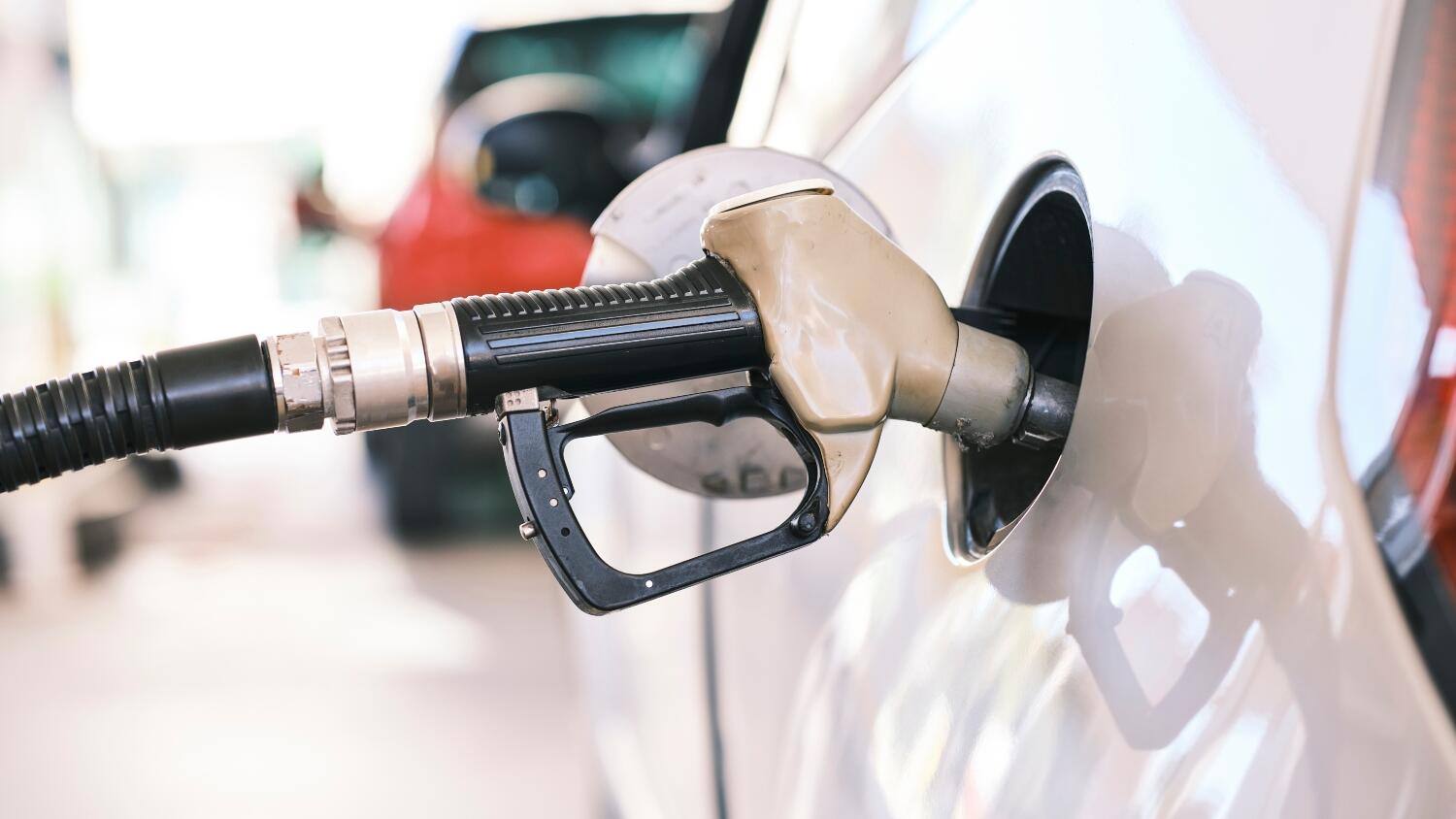
The gasoline index surged 21.2% in March, its largest monthly increase since records began in 1967, while fuel oil jumped 30.7%.
The broader energy index rose 10.9%, the steepest gain since 2005, amid disruptions to supply routes through the Strait of Hormuz.
Retail petrol prices climbed to around US$4 per gallon nationally, their highest level since 2022.
The deterioration in sentiment was broad-based.
The current economic conditions index fell 10.2% to 50.1, also a record low, while the expectations index dropped 10.8% to 46.1, its weakest level since 1980.
Assessments of personal finances declined about 11%, and one-year business conditions expectations fell roughly 20%.
Private-sector economists cautioned against overinterpreting the survey’s volatility following methodological changes.
Oliver Allen of Pantheon Macroeconomics said in a note that the shift to online data collection in 2024 had produced “more downbeat and volatile responses”, with the latest figures still “make for grim reading”.
The decline raises risks for consumer spending, which accounts for roughly two-thirds of U.S. economic activity.
Higher fuel costs and rising inflation expectations could erode purchasing power and prompt households to cut discretionary expenditure.
Minutes from the Federal Reserve’s March meeting, published earlier this month, showed policymakers divided on whether the inflationary impact of the conflict would require tighter policy or a more accommodative stance.
The central bank held its benchmark rate steady at 3.5 to 3.75%, with its next meeting scheduled for April 28–29.