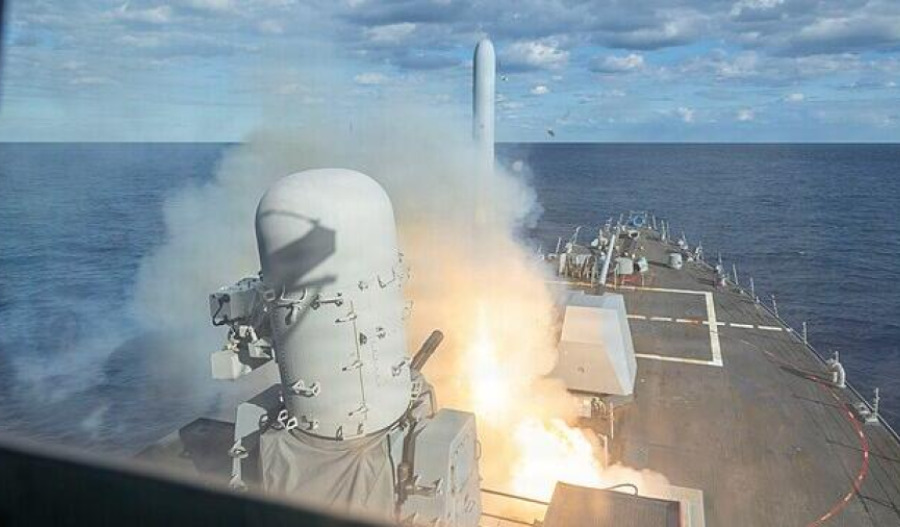
Due to mounting concern over domestic energy security and tightening fuel markets across Asia, China has reportedly instructed its largest oil refiners to suspend exports of diesel and petrol as escalating conflict in the Persian Gulf threatens crude supplies from one of the world’s most important oil-producing regions.
Officials from China’s National Development and Reform Commission (NDRC) told refinery executives earlier this week to halt new export contracts and attempt to cancel previously agreed shipments.
This directive is intended as a temporary measure and takes effect immediately; however, exemptions apply to jet fuel and bunker fuel stored in bonded facilities and supplies destined for Hong Kong and Macau.
The instruction reflects Beijing’s efforts to safeguard domestic fuel supply as the conflict in the Middle East disrupts flows of crude oil from the Persian Gulf, a region that supplies close to half of China’s imported oil.
With maritime traffic from the Gulf sharply curtailed since U.S. and Israeli military operations began over the weekend, refiners across Asia have begun cutting processing rates and reassessing exports.
China manages refined fuel exports through a quota system overseen by the Ministry of Commerce, which allocates shipment allowances to a limited number of large refiners and traders.
Companies that regularly receive export quotas include PetroChina Co., China Petroleum & Chemical Corp. (Sinopec), CNOOC Ltd., Sinochem Group and private refiner Zhejiang Petrochemical Co.
While China operates one of the world’s largest refining sectors, most output is consumed domestically.
According to industry trade data, the country ranks as Asia’s third-largest seaborne exporter of refined fuels, behind South Korea and Singapore.
Analysts predict that even a temporary reduction in Chinese shipments could tighten regional supply, particularly as other Asian refiners respond to crude shortages.
Fuel markets have already reacted to the disruption.
Data from financial information provider LSEG show diesel refining margins in Asia rising to about US$49 a barrel this week, near a three-year high, while jet fuel margins exceeded $55 a barrel.
The gains reflect expectations of tighter supply as refiners limit output and governments prioritise domestic markets.
The export restrictions are likely to have limited impact in March because most cargoes for the month were contracted earlier and are already scheduled for shipment.
Industry sources told Reuters that combined exports of gasoline, diesel and jet fuel for March are expected to remain around 3.8 million metric tonnes.
Ship-tracking data compiled by LSEG show that roughly 70,000 tonnes of jet fuel, 35,000 tonnes of diesel and 35,000 tonnes of gasoline have already been exported so far this month.
However, the directive is expected to reduce shipments from April if refiners comply with requests to cancel pending contracts and avoid signing new deals.
Some Chinese refineries have already begun adjusting operations.
Sources told Reuters that Zhejiang Petrochemical and the Sinopec-operated Fujian refinery have started reducing crude processing rates as uncertainty over feedstock supply grows.
Additional plants may follow if disruptions to Middle Eastern crude shipments persist.
Domestic fuel prices in China have risen sharply in recent days, according to market consultancy JLC.
Wholesale diesel prices climbed 13.5% to 7,276 yuan (about US$1,055) per tonne between 28 February and 4 March, while ex-plant prices for 92-octane petrol rose 11% to about 8,208 yuan per tonne over the past week.
China has sought to diversify its energy imports in recent years by increasing purchases from Russia, Africa and Latin America.
Nevertheless, the Gulf remains central to its energy supply, and analysts’ estimates suggest that the region accounts for nearly half of China’s crude imports, including most of the oil exported by Iran.
The export halt illustrates how quickly geopolitical shocks in the Middle East can ripple through global energy markets.
For Asian economies heavily dependent on imported oil, the immediate response has been to conserve domestic fuel supplies while the scale and duration of the disruption remain uncertain.