Australian consumer prices rose more than expected in July as fuel and travel costs increased, while underlying inflation also exceeded forecasts, adding to the risk of another interest-rate hike.
Data from the Australian Bureau of Statistics (ABS) showed the annual Consumer Price Index (CPI) eased to 3.5% from 3.8% in June, but remained above market expectations for a slowdown to 3.3%.
Monthly inflation rose 1.0% in July from June, above forecasts for a 0.8% increase.
The monthly rise was driven in part by a 7.5% jump in automotive fuel prices after three consecutive months of declines.
The trimmed mean measure of core inflation rose 0.5% over the month, its biggest increase in a year and well above forecasts for a 0.3% rise. The annual pace remained at 3.6%.
Housing was the largest contributor to annual inflation in July, rising 5.0%. Food and non-alcoholic beverages increased 3.2%, while recreation and culture rose 2.6%.

Rachael McCririck, ABS head of price statistics, noted: “Housing rose by 5.0% in the 12 months to July due to rising costs for New dwellings. New dwellings prices rose 5.7% in the 12 months to July as builders passed on higher costs for materials and labour.”
Annual inflation for food and non-alcoholic beverages was 3.2% in the 12 months to July, with higher prices for meals out and takeaway food contributing to the increase. The category rose 4.5% over the year to July 2026.
Transport inflation accelerated to 1.6% annually in July from 0.1% in June.
“On a monthly basis, Automotive fuel prices rose 7.5% in July after falling for three months in a row. This was driven by higher world oil prices and the partial unwinding of the federal government’s fuel excise relief measures in July,” Ms McCririck said.
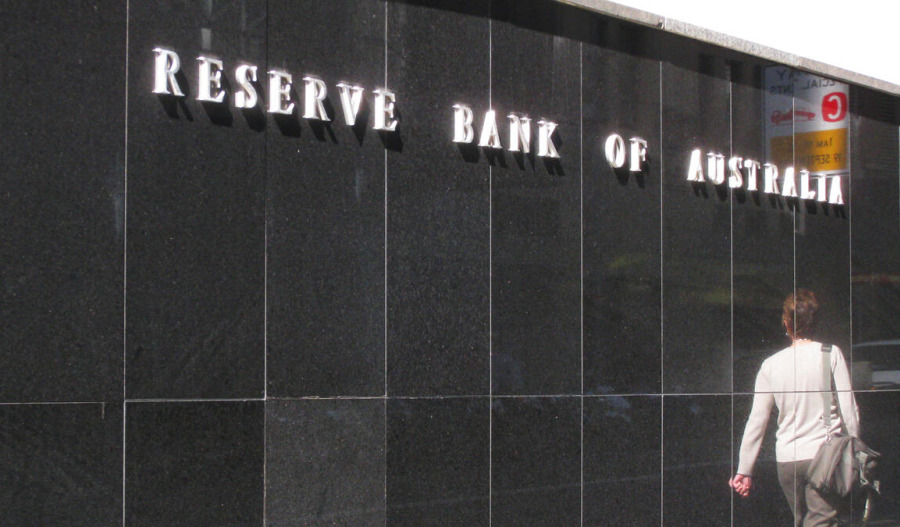
The Reserve Bank of Australia held interest rates at 4.35% for a second consecutive meeting this month after three rate hikes earlier in the year aimed at bringing inflation under control.
Policymakers have warned, however, that they could raise rates again if inflation risks materialise.