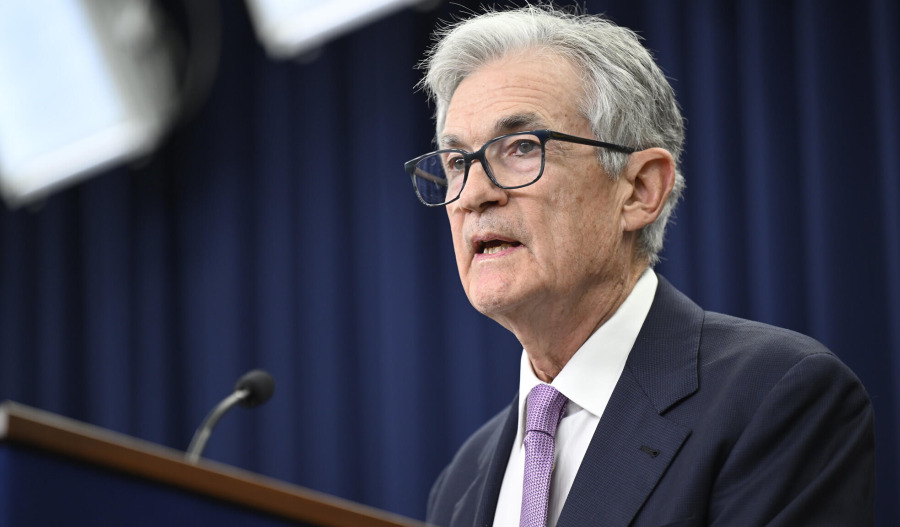

After three quarter-point cuts late last year, the Federal Reserve looks set to sit on its hands with rates parked around 3.5 to 3.75%, as officials signal they’ve done enough for now.
Inflation has cooled, jobs are still there, and Washington is flirting with fresh fiscal sugar hits and on the surface, it all adds up to a gentle landing.
However, bond investors aren’t easing into comfort; they’re stretching.
The big move has been into longer-dated government bonds, a tactic known as extending duration.
Duration is bond shorthand for how sensitive a bond’s price is to interest rate changes, aka interest-rate risk.
The longer the maturity, the harder the price swings when rates move.
Investors only take that risk when they believe rates are headed down or at least stuck.
That’s the consensus trade, and it’s becoming crowded.
Futures markets are now pricing less than two rate cuts next year, which is more of a polite pause than an easing cycle.
Yet investment-grade corporate bonds are trading at spreads - the extra yield paid over U.S. Treasuries - aka the risk premium - last seen when dial-up internet was still a thing.
At roughly 70 basis points, investors are being paid very little for taking corporate risk in an economy carrying a US$38 trillion debt tab.
This is why the optimism is starting to fray, with the bullish case leaning heavily on fiscal support.
However, the idea that consumers will keep spending and cushion any slowdown appears problematic.
The U.S. is running deficits that would make a banana republic blush, and every new promise needs to be funded in the bond market.
Which brings us to the yield curve, the gap between short-term and long-term interest rates.
It’s been flattening for years and is now showing signs of steepening, which typically means investors want extra compensation for holding long-term debt, often because they’re worried about inflation, politics, or both.
Meanwhile, bond investors have made it abundantly clear that concerns over the Federal Reserve independence - who runs it, how much political pressure it faces – are deeply concerning.
The Fed’s credibility is the anchor for what investors think prices will do over the next decade – aka long-term inflation expectations - which are creeping higher.
When that happens, long bonds stop looking like a safe haven and start looking like a liability.
This helps explain the quiet contradiction in the market.
On one hand, fund managers talk up extending duration, while positioning data shows plenty of money hugging the front end of the curve — two- and five-year bonds — where political risk feels more containable.
But that’s not confidence; it’s hedging.
Then there’s the foreign angle, which rarely gets the airtime it deserves.
Around a third of U.S. government debt sits offshore, mostly with European and Asian institutions.
These aren’t governments looking to make statements; they’re pension funds and insurers looking to preserve capital.
If trust in U.S. fiscal discipline erodes, they don’t need to “dump” Treasuries to cause pain, they just need to buy fewer of them.
In a market this big, marginal buyers set the price and gold buying by central banks tells the same story.
It’s not so much a bet against America tomorrow as it is a quiet diversification away from America over time.
When that instinct spreads, bond yields rise, mortgages follow, and the Fed’s job gets harder no matter where its policy rate sits.
The idea that a Fed pause gives the green light to take on more risk should make investors sit up and think.
Meanwhile, credit is expensive, duration is crowded and politics is leaking into places it rarely goes.
The bond market may be playing along for now, but it isn’t convinced.
In the end, the Fed doesn’t get the final word; the bond market does, and it’s starting to clear its throat.

Take cover.