The United States and Iran remain without a formal agreement to end the conflict that has now entered its fourth month, with President Donald Trump indicating he is prepared to continue negotiations rather than rush a deal.
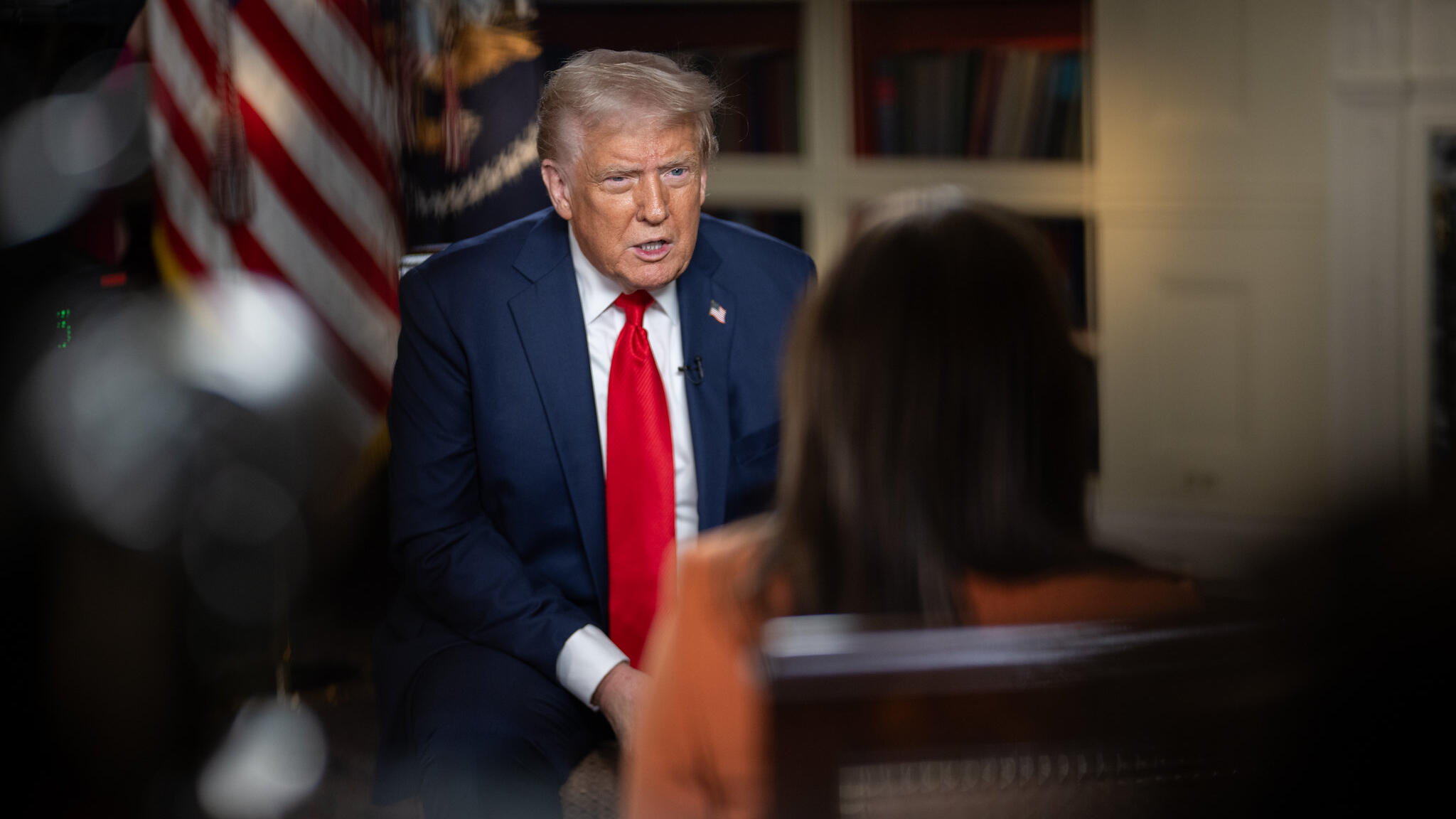
Speaking in an interview with Lara Trump on Fox News, the president said his administration remained focused on securing commitments that Iran would never acquire a nuclear weapon and would reopen the Strait of Hormuz, a vital global energy shipping route.
"I'd like to say I'm in a hurry because gasoline prices are going to come tumbling down, but if you're going to be in a hurry, you're not going to make a good deal," Trump said.
"And slowly but surely we're getting, I think, what we want, and if we don't get what we want we're going to end it a different way."
Trump added: "We're going to make a great deal, [otherwise] we'll just go back and finish it off militarily."
Negotiations between Washington and Tehran have continued for several weeks while a fragile ceasefire remains in place. The conflict has disrupted global energy markets and contributed to a sharp rise in inflation after Iran closed the Strait of Hormuz at the outset of hostilities.
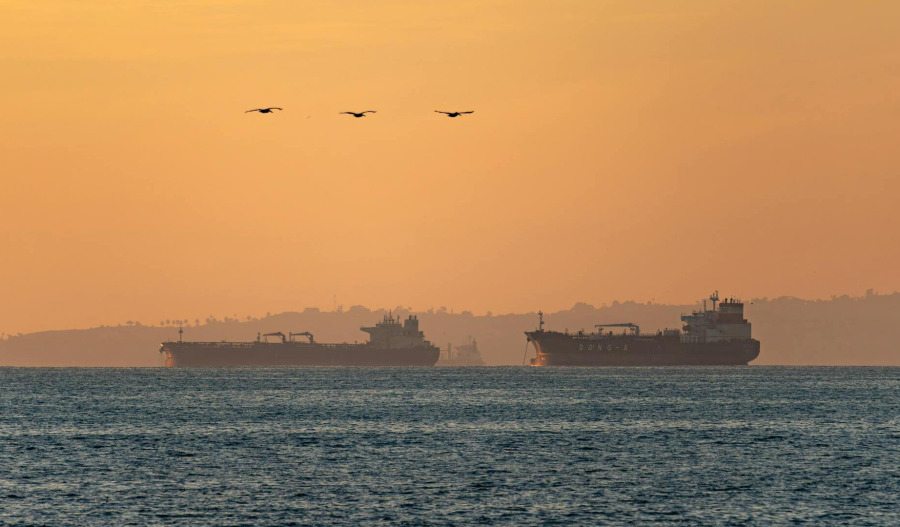
The waterway, which handles approximately one-fifth of global oil shipments, remains largely impassable. According to AAA data, average U.S. petrol prices stood at about US$4.34 per gallon on Sunday.
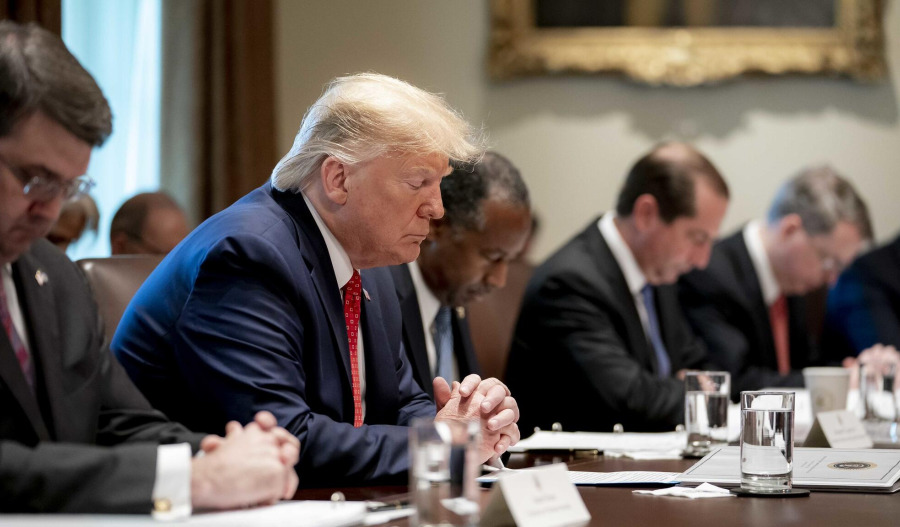
The president had noted in a Truth Social post over the weekend that he would make a "final determination" on a proposed agreement during a White House meeting.
However, no decision emerged from the discussions.
Reports suggested Trump requested changes to the proposed memorandum of understanding, particularly regarding the treatment of Iran's enriched nuclear material and the reopening of the Strait of Hormuz.
Sources familiar with the negotiations said the draft framework includes a 60-day cessation of violence, provisions for reopening the Strait, and a pathway towards renewed discussions on Iran's nuclear programme.
The arrangement could also potentially provide Iran with access to billions of dollars in frozen assets through sanctions relief or waivers, depending on diplomatic progress.
Pakistan has reportedly been acting as a mediator between Washington and Tehran as discussions continue.
Trump also indicated that he had sought additional language in the agreement explicitly prohibiting Iran from purchasing nuclear weapons, in addition to restrictions on their development.

Meanwhile, a U.S. official told CBS News that four U.S. service members and three contractors suffered minor injuries during an Iranian ballistic missile attack targeting a Kuwaiti air base last week.
All seven personnel returned to duty within 24 hours, according to the official.
U.S. Central Command previously stated that Iran launched a ballistic missile towards Kuwait at 10:17 pm Eastern time on Wednesday (2:17 am GMT Thursday).
Kuwaiti air defences intercepted the missile, while Kuwaiti authorities also reported missile and drone attacks the following morning.
While diplomatic efforts continue between Washington and Tehran, regional tensions remain elevated elsewhere in the Middle East.
Israeli Prime Minister Benjamin Netanyahu on Sunday reportedly ordered Israeli forces to expand operations in southern Lebanon against the Iranian-backed Hezbollah militant group, despite a ceasefire that has been in place for more than six weeks.
The conflict in Lebanon has become the most significant regional spillover from the Iran war. Since March, Israeli strikes and evacuation orders have displaced more than 1.2 million people across Lebanon, according to Lebanese authorities.
Lebanon says more than 3,370 people have been killed during the fighting, while Israel reports that 24 soldiers and four civilians have died. Tens of thousands of residents in northern Israel have also been displaced by Hezbollah rocket and drone attacks.
Israeli forces said they had captured the historic Beaufort Castle and a strategic ridge in southern Lebanon following one of the heaviest days of Hezbollah attacks since the April ceasefire.
"I instructed the (military) to expand its ground manoeuvre in Lebanon," Netanyahu said in a statement.
The Israeli military said the operation was aimed at extending control beyond the Litani River towards the Zaharani River while targeting Hezbollah infrastructure and militant positions.
Netanyahu said the objective was to "deepen and expand our grip on the places that were under Hezbollah's control".
French officials called for an emergency meeting of the United Nations Security Council in response to the renewed violence, while Israeli forces issued evacuation warnings for communities south of the Zaharani River.
Israeli Defence Minister Israel Katz said troops would retain control of Beaufort Castle as part of Israel's security zone in southern Lebanon.
"The campaign is not over yet," Katz said. “We are all determined to crush Hezbollah's power.”