
United States stock futures edged lower on Wednesday night (Thursday AEST) following a sharp rally in the previous session, as investors assessed the durability of a ceasefire agreement between Washington and Tehran.
By 10:15 am AEST (12:15 am GMT), futures tied to the Dow Jones Industrial Average and S&P 500 were down 0.2% each, while Nasdaq-100 futures declined 0.3%.
The modest pullback followed a strong performance during the regular trading session, when equities surged on easing geopolitical tensions.
The S&P 500 rose 2.5%, while the Nasdaq Composite advanced 2.8%. The Dow Jones Industrial Average jumped more than 1,300 points, or 2.9%, marking its best session since April 2025.
The rally was driven by an announcement from U.S. President Donald Trump, who said he would suspend military action against Iran for two weeks, raising hopes of de-escalation in a conflict that has disrupted global energy markets.
“I agree to suspend the bombing and attack of Iran for a period of two weeks,” Trump wrote in a Truth Social post. “We received a 10-point proposal from Iran, and believe it is a workable basis on which to negotiate.”

The proposed ceasefire, described as “double sided”, was conditional on Iran reopening the strategically vital Strait of Hormuz, which has been closed amid five weeks of hostilities. The waterway is a key route for global oil shipments, and its closure had fuelled concerns about supply disruptions.
Iran agreed to reopen the strait for the duration of the two-week truce, provided that all attacks cease, according to a statement from its foreign minister. Media reports also indicated that Israel had accepted the terms of the agreement.
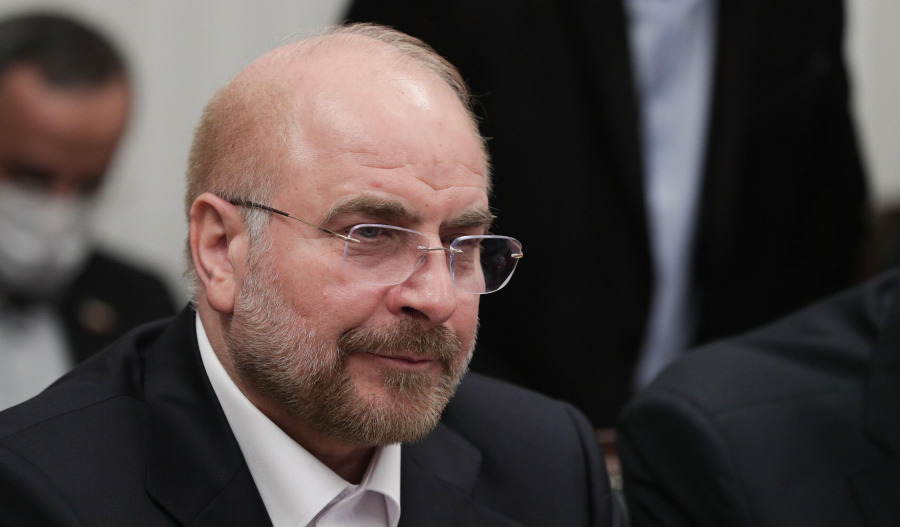
However, doubts over the ceasefire’s stability quickly emerged. Iranian parliamentary speaker Mohammad Bagher Ghalibaf accused the United States of breaching the agreement within hours of its announcement.
Ghalibaf said the violations included continued Israeli strikes on Lebanon, the incursion of a drone into Iranian airspace, and the denial of Iran’s right to enrich uranium.
The renewed tensions have added uncertainty to market sentiment, even as investors welcomed the initial signs of de-escalation.
Looking ahead, market participants are turning their attention to upcoming economic data, including the personal consumption expenditures price index — the Federal Reserve’s preferred measure of inflation — as well as weekly jobless claims, both of which could provide further insight into the trajectory of US monetary policy.