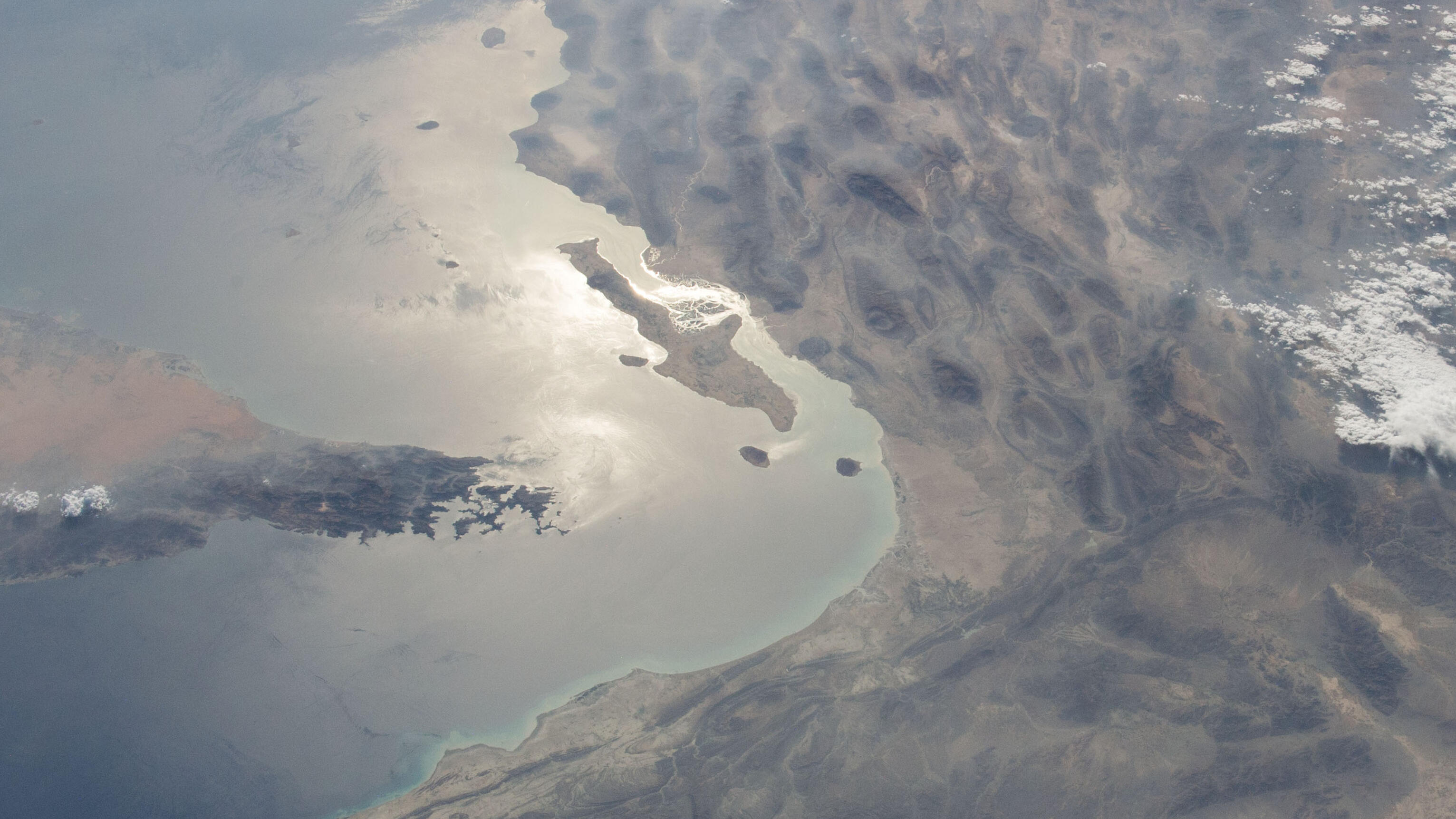
The United Nations' International Maritime Organization (IMO) has temporarily suspended its operation to escort vessels through the Strait of Hormuz after a cargo ship was reportedly attacked near Oman, renewing concerns over security in one of the world's most important shipping lanes despite a preliminary agreement to end the Iran conflict.
A cargo vessel reported being struck by a projectile near the Omani coast on Thursday, according to the British maritime security agency UKMTO.
The incident occurred just hours after Tehran warned that vessels travelling through routes not approved by Iran would not be guaranteed safe passage.
Two United States officials told Reuters that Iran had fired on the vessel. Iran's Persian Gulf Strait Authority, established by Tehran to oversee requests for ships transiting the strait, said vessels operating outside designated routes would not be assured protection.
Four sources identified the vessel as the Singapore-flagged Ever Lovely. A security source said the ship was likely targeted by a drone.
There was no immediate response from the U.S. government regarding the incident.
Earlier this month, U.S. President Donald Trump warned that the U.S. would likely resume bombing Iran if Tehran failed to honour an agreement aimed at ending the conflict and reopening the Strait of Hormuz.
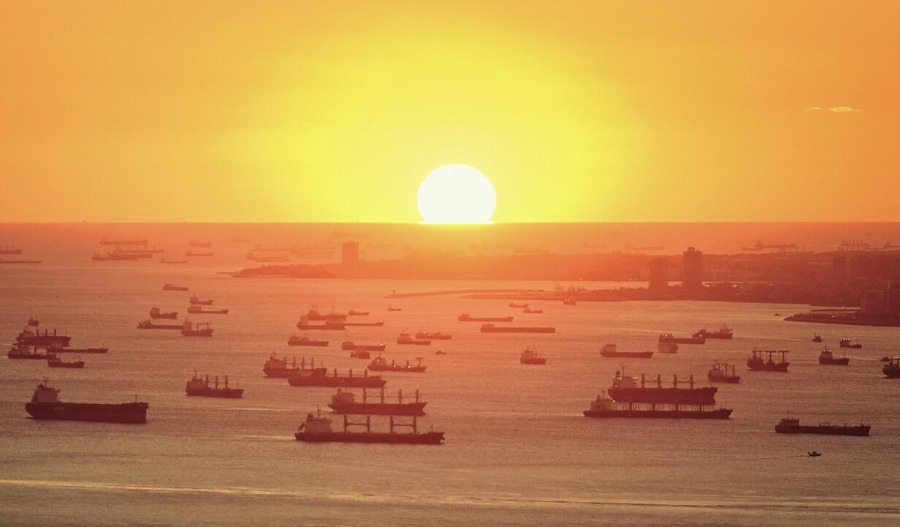
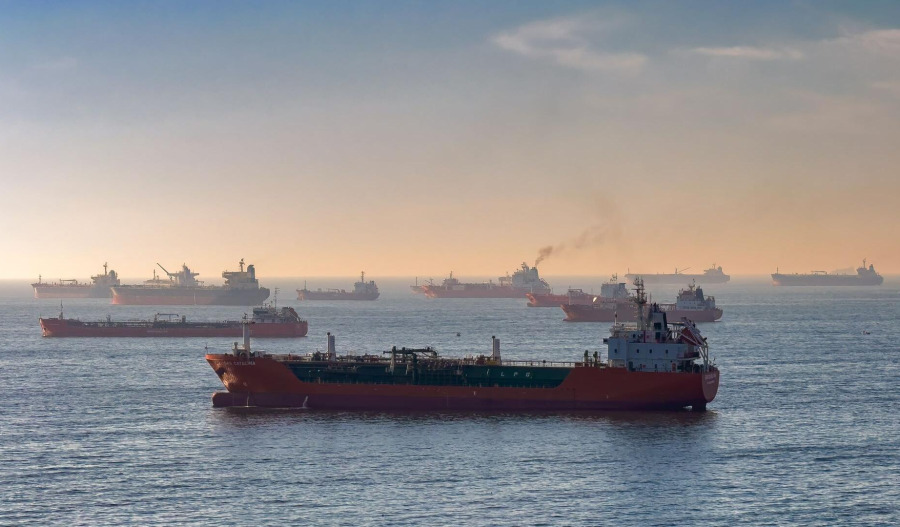
The IMO had been coordinating efforts to assist hundreds of stranded ships and thousands of seafarers trapped in the strait since the conflict began in late February.

In a statement, IMO Secretary General Arsenio Dominguez said the organisation had decided "to temporarily pause its implementation in order to reconfirm that the necessary safety guarantees continue to be in place for the ships on our evacuation list and all those in the region".
The IMO confirmed the vessel involved in the suspected attack was not participating in its evacuation programme.
Launched on Tuesday, the voluntary initiative allowed ships and their crews to depart the Gulf using one of two designated corridors, either through Iranian waters or Omani waters, with U.S. oversight.
The reported attack near Oman is likely to intensify scrutiny over Iran's future control of the Strait of Hormuz, which, before the conflict, handled around one-fifth of global daily oil and liquefied natural gas shipments.
Before news of the incident emerged, U.S. Secretary of State Marco Rubio, concluding a tour of Gulf nations aimed at reassuring regional allies about the interim agreement, warned that any Iranian attempt to threaten or block shipping through the strait would provoke a response.
"If Iran threatens or blocks ships in the strait, then we're going to have a problem," Rubio told reporters.
Iran has continued to signal that it intends to maintain authority over maritime traffic through the strategic waterway.
Iran's Revolutionary Guards said on Thursday that safe passage would only be permitted through routes designated by Tehran and warned that action would be taken against vessels failing to comply.