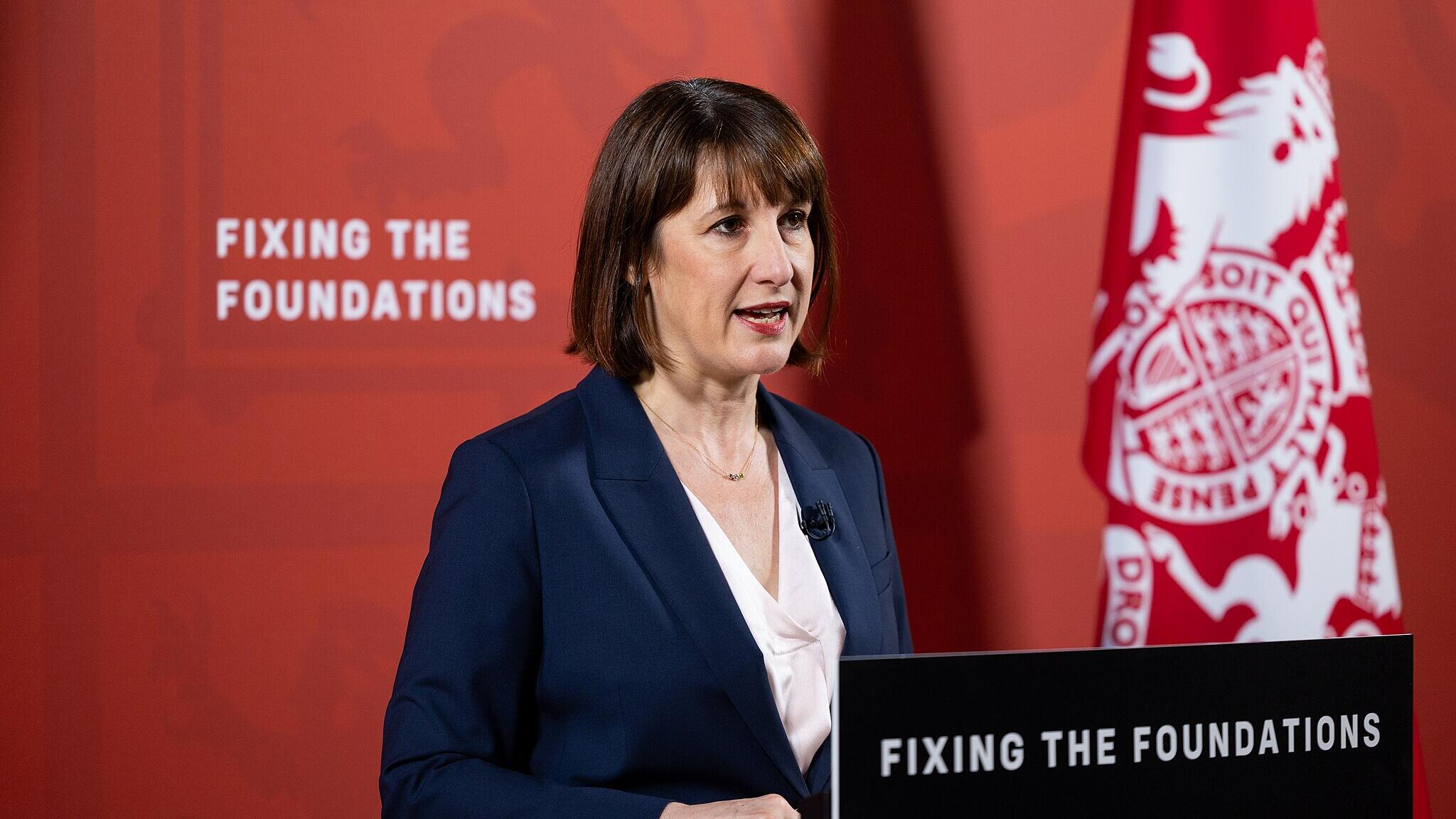
Chancellor Rachel Reeves said her economic plan is the right one even in uncertain times, despite growth estimates for the United Kingdom being lowered for this year.
“(It’s) a plan that is even more important in a world that, in the last few years, has become yet more uncertain,” she said.
This comes as the Office for Budget Responsibility (OBR) cut its expected growth rate for 2026 to 1.1% from the 1.4% it predicted in last year’s budget, but has upgraded estimates for later years.
The OBR also said that it expects inflation to be lower this year than previously thought.
It is important to note that these estimates were finalised before conflict broke out in the Middle East, and the OBR noted that such an outbreak could have a “very significant” impact on the global and UK economies.
“It is incumbent on me and on this government to chart a course through that uncertainty to secure our economy against shocks and protect families from the turbulence that we see beyond our borders,” Reeves said.
According to Reeves, the plan would see the economy grow and leave people £1000 better off.
According to the OBR forecast, inflation is expected to drop to 2.3% through the year, down from its estimate of 2.5% in November, before reaching the Bank of England’s target rate of 2% by the end of 2026.
However, since the U.S. and Israel launched strikes on Saturday and Tehran retaliated, oil and gas prices have risen significantly.

These rises over the past couple of days have raised questions over whether inflation will start to increase again if energy costs remain high.
If so, it could mean fewer interest rate cuts by the Bank of England this year.
The forecast also showed growth estimates for 2027 and 2028 have been revised up to 1.6% from 1.5% previously.
It also showed that the unemployment rate is expected to peak at 5.3% this year, up from 4.9% predicted at the Budget and that the government's total tax take is forecast to hit a "historic high" by 2030-31, rising to almost 38% of GDP.
The “headroom” or buffer Reeves has against her rule to not borrow to fund day-to-day funding in five years has grown from £21.7 billion to £23.6 billion.
Capital Economics chief UK economist Paul Sales said the “headroom” could give Reeves a bit more money to play with come the Budget in the autumn.
"But that could be swamped by events in the Middle East raising UK inflation and weakening UK GDP growth,” he said.
Federation of Small Businesses policy chair, Tina McKenzie, said the chancellor “missed a chance” to address a wave of cost increases, including business rates, facing firms next month.
She also said the government must "stand ready" to provide a package of help for small businesses if the conflict in the Middle East causes another energy price crisis.