
Just days before the Bank of England gathers for its last decision of the year, inflation has done something few expected quite so soon: it flinched. The UK’s annual inflation rate slid to 3.2% in November, a sharper drop than forecast and low enough to put a festive bow on the case for an interest rate cut.
Economists had pencilled in a gentler easing, but the Office for National Statistics delivered a bigger surprise.
Prices are still rising, just not with the same stubborn gusto seen through much of the year.
Even core inflation, which strips out the more volatile bits of the shopping basket, cooled to the same 3.2% pace, suggesting the slowdown isn’t just a one-off quirk.
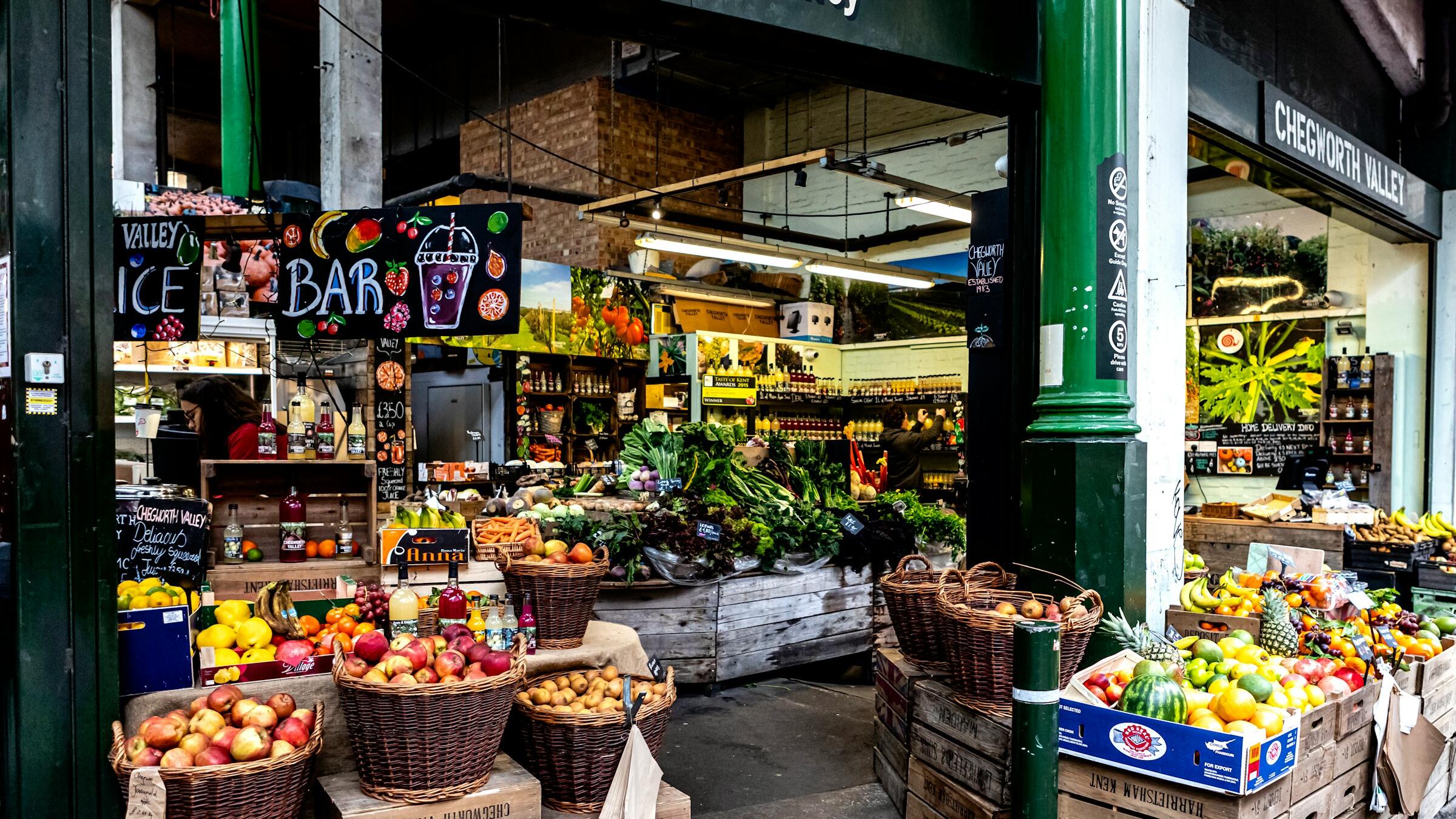
The unlikely heroes of this story are the supermarket aisles.
Food prices, which normally creep up as Christmas approaches, went the other way.
Cakes, biscuits and breakfast cereals were cheaper than a year ago, helped along by heavy discounting and early festive deals.
Tobacco prices also stopped climbing after a big jump last year, while women’s clothing was marked down amid Black Friday promotions.
Inflation, it turns out, is not immune to a good sale.
Markets wasted no time joining the dots, and traders quickly priced in a strong chance that the Bank of England will trim interest rates by a quarter point at Thursday’s meeting, taking the base rate down to 3.75%.
A narrow split among policymakers is still expected, but the balance of opinion now leans toward a cut, with Governor Andrew Bailey widely seen as the potential tie-breaker.
The wider economic backdrop helps explain the shift in mood.
Growth has been limping along, barely expanding in recent months, while unemployment has started to edge higher.
Wage growth, though still elevated, is easing.
For a central bank that has spent years battling inflation hotter than its peers, the latest figures offer welcome confirmation that pressure is finally easing.
Sterling slipped after the data landed, government borrowing costs fell, and investors began to talk less about whether rates will fall and more about how far they might go next year.
However, that optimism comes with caveats.
Some economists warn that part of November’s drop reflects temporary factors, such as discounting patterns that could unwind in the months ahead.
Services inflation, closely watched for signs of lasting price pressure, remains above levels consistent with the Bank’s 2% target.
Politically, the numbers were greeted with cautious relief.
Chancellor Rachel Reeves welcomed the easing in inflation but stressed that households still feel the squeeze and that the job is far from finished.
After years of higher bills and pricier essentials, one softer data point does not erase the memory of the cost-of-living crunch.
Nevertheless, context matters.
UK inflation has been more persistent than in many other advanced economies, and the Bank itself expects it to stay above target well into the second half of the decade.
Structural issues in the labour market, regulated price rises and lingering wage pressures mean the path down will not be smooth.
But November’s reading suggests the direction of travel is finally changing.
For now, that may be enough.
Lower food prices, a cooling jobs market and a stalling economy have combined to give policymakers cover to move.
If the Bank does cut this week, it will be less a bold pivot than a cautious nod to reality and a recognition that the inflation fight is easing, even if it isn’t yet won.