United States President Donald Trump said the U.S. should play a role in determining Iran’s next leader, while also signalling support for Iranian Kurdish forces launching attacks against Iranian security forces.
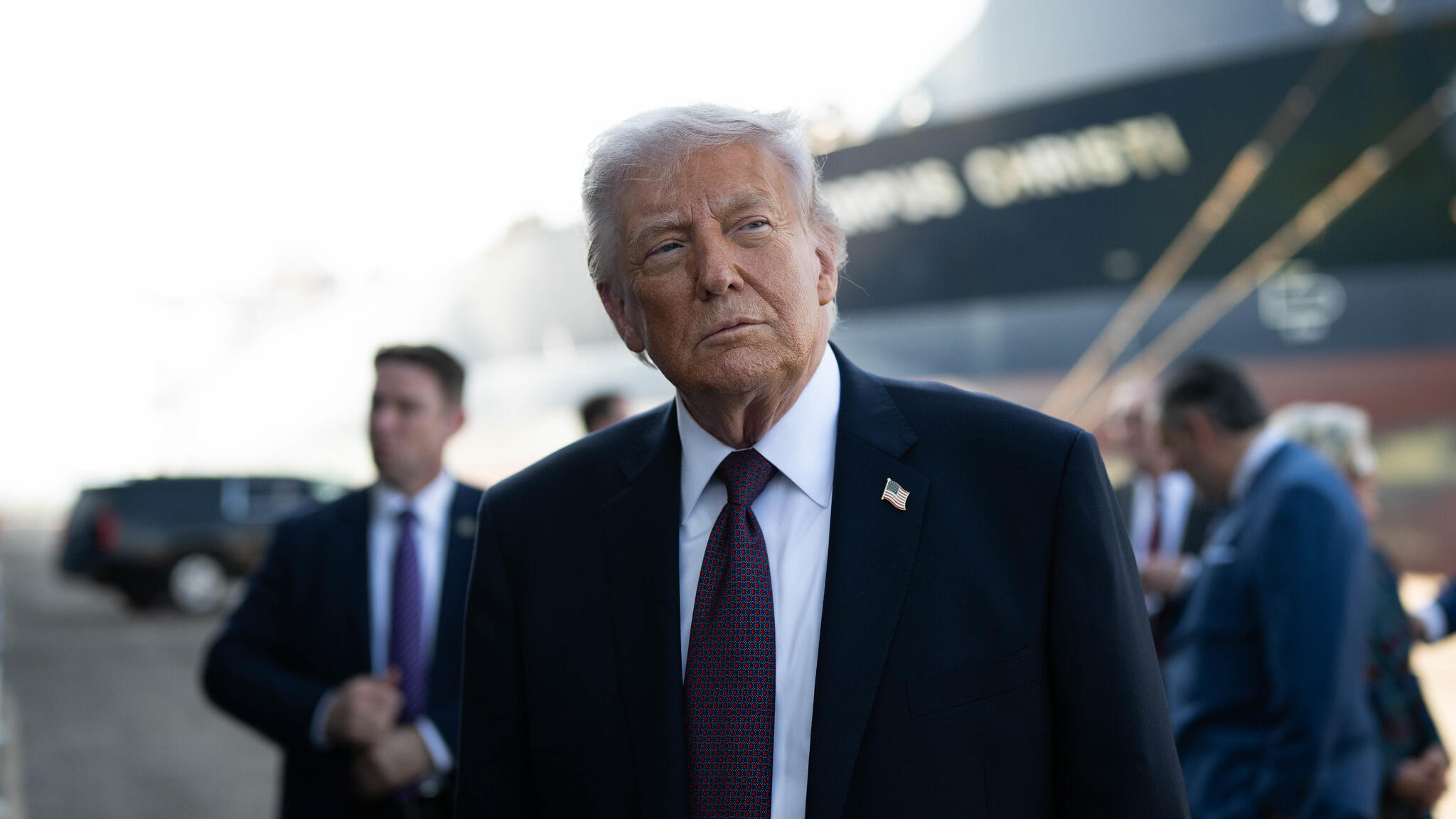
In a telephone interview with Reuters on Thursday, Trump said Washington would need to be involved in selecting Iran’s future leadership following the killing of Supreme Leader Ayatollah Ali Khamenei in a military strike at the start of the war.
“We're going to have to choose that person along with Iran,” Trump said.
The president suggested that Mojtaba Khamenei, the late leader’s son who has emerged as a leading candidate to succeed his father, was unlikely to ultimately assume power.
However, Trump did not elaborate further on why he believed Mojtaba Khamenei would not become Iran’s next leader.
“We want to be involved in the process of choosing the person who is going to lead Iran into the future,” Trump said.
“We don't have to go back every five years and do this again and again. Somebody that's going to be great for the people, great for the country.”
Trump also said it would be “wonderful” if Iranian Kurdish forces based in neighbouring Iraq were to enter Iran and launch attacks on the country’s security forces as part of the widening conflict.
“I think it's wonderful that they want to do that, I'd be all for it,” he said.
According to several sources familiar with the discussions, Iranian Kurdish militias have been consulting with U.S. officials in recent days about the possibility of attacking Iranian security forces in western Iran.
The coalition of Kurdish groups, based along the Iran-Iraq border in the semi-autonomous Kurdistan region of Iraq, has reportedly been preparing for potential operations aimed at weakening Iran’s military as U.S. and Israeli forces continue to strike Iranian targets.
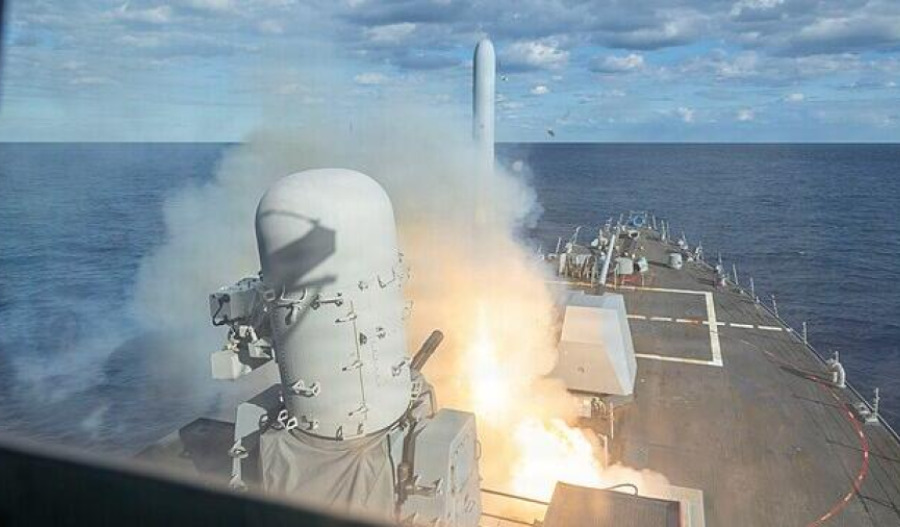
The remarks came as the conflict entered its sixth day and expanded across the region, with missile strikes and drone attacks reported in several countries.
Iran launched a new wave of attacks against Israel, the United Arab Emirates and Qatar, while emergency crews in Bahrain responded to a refinery fire following a missile strike.

Azerbaijan also accused Iran of firing drones into its territory and temporarily closed its southern airspace, although Tehran denied targeting the neighbouring state.
The fighting has already caused significant casualties and destruction across the region. More than 1,200 people have been killed in Iran since the conflict began, according to the Iranian Red Crescent Society.
Elsewhere in the region, Lebanon’s health ministry reported at least 77 deaths, while thousands of residents fled southern Beirut after Israeli forces issued warnings for civilians to evacuate.
Inside Iran, residents in the capital reported renewed air strikes as Israel continued its campaign against government and military targets. Iranian state television said an air attack on a guest house northwest of Tehran killed 17 people.
Israel signalled that its military campaign was far from over. Visiting an air force base in southern Israel, Prime Minister Benjamin Netanyahu said the operation had already achieved significant results but warned further action was planned.
“Much work still lies ahead,” Netanyahu said.
Sources familiar with Israel’s military planning told Reuters that the next phase of the campaign would focus on destroying underground bunkers where Iran stores its missile arsenal. Israel’s military chief said about 60% of Iran’s ballistic missile launchers had already been destroyed since the operation began.
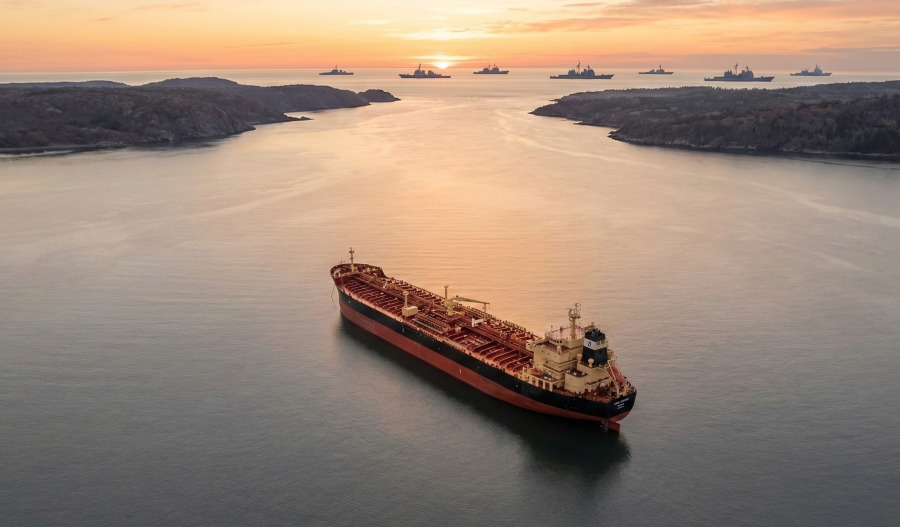
The conflict has also drawn in international shipping routes and naval forces. Iranian Revolutionary Guards said on Thursday that they had struck a U.S. tanker in the northern Gulf and that the vessel had caught fire.
The report was one of several incidents involving shipping in recent days as tensions escalated around key energy routes.
Despite the widening conflict, Trump expressed confidence that the Strait of Hormuz, a critical passage for global oil shipments, would remain open.
Meanwhile, the economic and geopolitical impact of the war has continued to ripple through global markets. Countries around the world have been affected by disruptions to energy supplies and air travel, while shipping routes across the Middle East and eastern Mediterranean remain under heightened security.
The hostilities have extended far beyond the immediate battlefield. In one incident earlier this week, a U.S. submarine sank an Iranian warship off the coast of Sri Lanka, reportedly killing 80 crew members and prompting vows of retaliation from Tehran.
Iranian officials have also warned of broader consequences following U.S. involvement in the conflict. Iran’s foreign minister said Washington would “bitterly regret” its actions, while a senior Revolutionary Guards commander declared that Iranian forces would target Americans wherever they are.