

After ending his AFL career, Daniel Motlop entered the business world with his Indigenous food brand, Seven Seasons.
While it was quite the career transition, Motlop tells Azzet his childhood in Darwin inspired him.
“One thing I did do a lot when I was growing up was go out and obviously get a lot of bush tucker and native ingredients,” he says.
While the native food industry has an A$80 million output, only 1% is Indigenous-owned, and Indigenous people make up fewer than 1% of growers, farm managers and exporters.
Motlop said being Indigenous-owned helps his business stand out from the competition.
“Being Indigenous-owned, and having that knowledge of where ingredients come from, is key to selling native ingredients,” he says.
“We also do the wild harvest as well, so we’re out foraging it and collecting it during the season and make sure it's sustainable as well.”
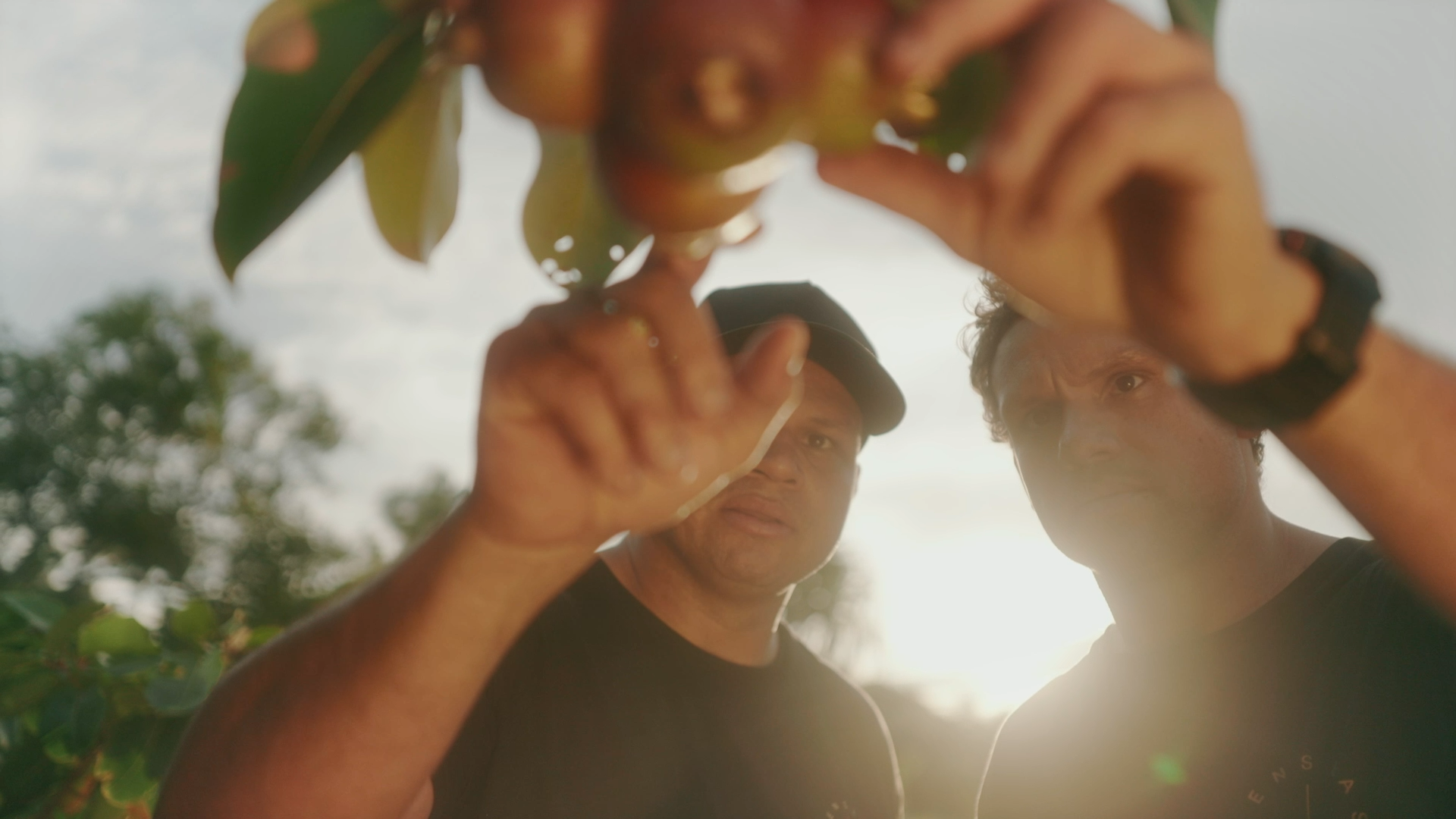
The company itself is named after local Indigenous seasonal calendars.
Seasons in Aboriginal culture are marked by environmental factors of a local area, including changes in weather, plants, animals, and celestial patterns.
Motlop says his company was particularly inspired by the seasons in Darwin.
“Obviously, the seven seasons with the spirit side is something pretty close to our heart, being from Darwin and creating a brand based around our seasons up there,” he says.
Despite this, the 2024-25 financial year showed significant growth in procurement spending with Indigenous suppliers across all sectors.
Supply Nation recorded a total of over A$5.83 billion in procurement spend with verified Indigenous-owned businesses, up from $4.6 billion the previous financial year. Of this figure, 90% was with small- to medium-sized (SMEs) businesses.
Market research also shows that 30% of Australian consumers would pay a premium for Indigenous products, and more than half of consumers, if presented with otherwise comparable products, would prefer an Indigenous product.
Chair of the National Farmers Federation, Natalie Sommerville, said Indigenous producers could benefit from strong demand for their goods both at home and abroad.

“We have estimated the total contribution of Indigenous agriculture to the national economy at $1.4 billion annually, supporting around 1,900 jobs. But there is still money being left on the table,” Somerville said.
A report from Supply Nation also found that Indigenous businesses generate $42.6 billion in social value each year.
Social value refers to positive changes measured through an Indigenous lens.
Research by the University of Melbourne found that the Indigenous business sector contributes around $16 billion to the economy, employs 116,000 people, and pays $4.2 billion in wages.
Motlop says a key goal for Seven Seasons is to make native ingredients commercially viable through working with different communities and employing Aboriginal people.
“I’ve learnt that working with different groups around Australia and learning about the products or the native ingredients they have in their area is really important,” he says.
“We're able to tell that story through our business.”
This has led the company to use ingredients that haven’t been sold before, as all of the ingredients come from a certain community.
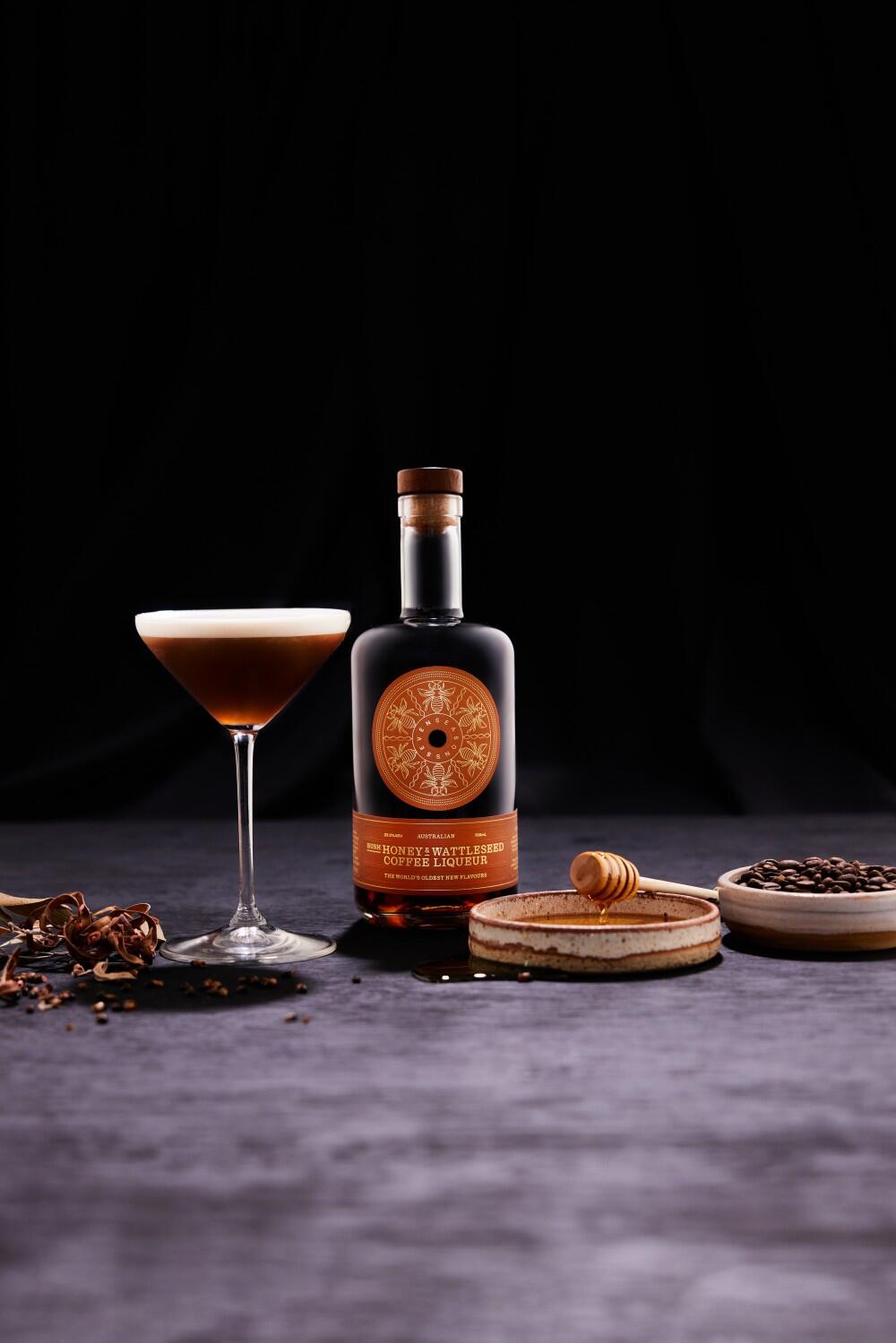
“For example, all the bush apples for our Bush Apple gin weren't used before in terms of commercially so we decided to make a commercial product out of it,” Motlop says.
“Every year we go back to that community and ask if they can collect us another tonne or two.”
The former elite athlete also says he is using his company to share this knowledge with others.
“We obviously want to teach people about the seasonality and the sustainability around it, and obviously buying in the right place and buying from the right people,” he says.
Motlop says the company started with just him harvesting and has since grown to collaborate with around five communities contributing to the seasonal harvesting.
As Indigenous ingredients become more commonplace in Australian flavours, Motlop says there are opportunities to blend them with other cuisines.
“I think we should see a lot more of those restaurants using them and incorporating them into Italian cooking, Asian cooking, and just your everyday pubs and bars,” he says.