
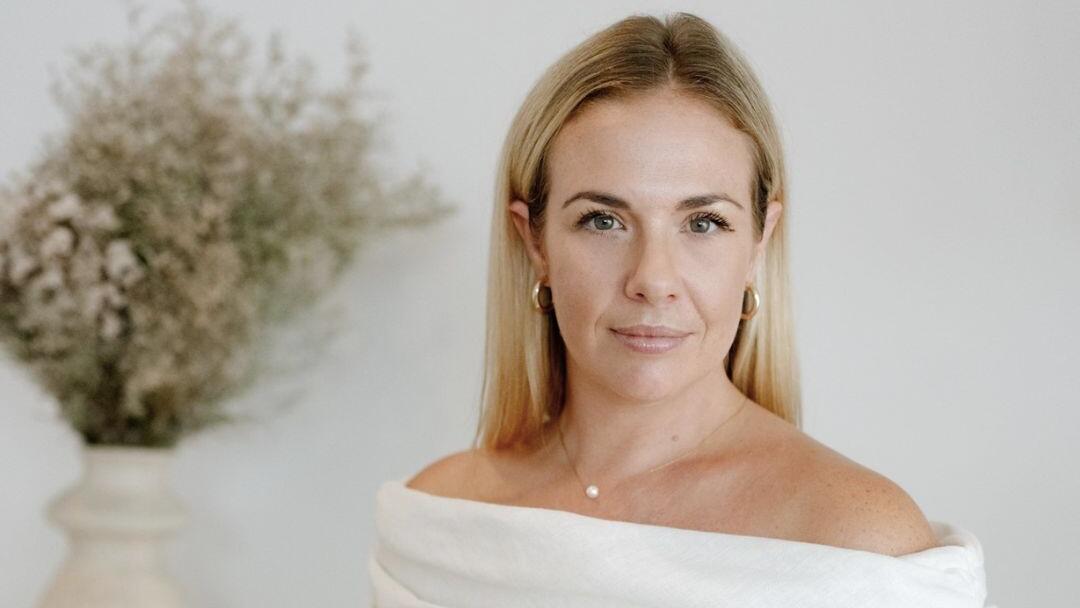
Lara Christie started Pure Mama Skincare after discovering a large gap in the market during her pregnancy.
The overall baby and pregnancy and baby skincare market is projected to be valued at US$13.5 billion in 2031.
This is a massive climb from the $6.5 billion it was worth in 2020.
Christie tells Azzet that the market for pregnancy skincare products has grown dramatically in the time she’s been part of it.
“There's more accessibility to a wide range of products at different varying price points,” she says.
“We've all kind of been rising with the tide together, but the whole category itself is more of a thing.”
However, only a quarter of the products available in this category are targeted at pregnant women themselves.
“I had never worked in the beauty space but was a consumer of facial skincare, haircare, fragrances, and everything else in the world had these beautiful brands that were thoughtful, environmentally conscious and very great brand storytellers,” Christie says.
“There wasn't anything for pregnancy, and I really identified that gap.”
These products have become more commonplace, according to Christie, with big players like Mecca even getting in on the action.
“Mecca never used to play in this category, which is interesting considering their core demo is women around age 31,” she says.
“They never had something dedicated to that space, but now they have a couple of brands, and that’s only happened in the last three or four years.”
Pure Mama Skincare is now the number one seller in Australia and New Zealand within the niche industry and has been experiencing steady growth in the U.S. over the past 18 months.
Christie says the company is on track to do eight figures this year and grew 600% in the U.S. last year, which is the largest market for pregnancy skincare worldwide.
Breaking into the market
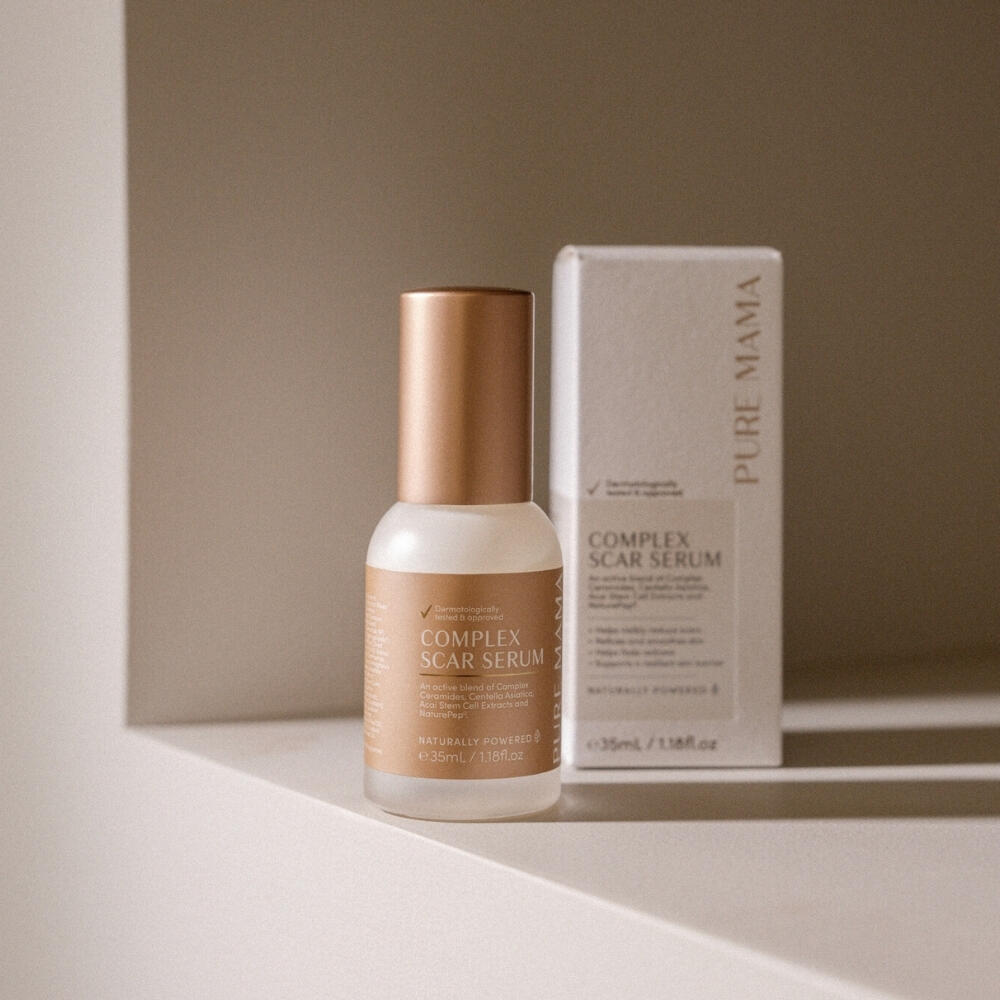
Christie says it took a long time to get the products to market for a range of reasons, from learning the ropes of manufacturing to perfecting the formulas.
“Ingredients, fragrance and product, packaging and shelf life are incredibly important for a brand like this, especially with the detailed level of care for pregnant or birthing women,” she says.
“I also never worked in manufacturing or beauty, so just learning how to do that from scratch was a really long process, and it probably took two and a half years to get that.”
Now, Christie says it takes around 12 to 18 months to get to market.
While the manufacturing side of the business took a while, Christie was quickly able to identify the gap in the market due to her past experience in marketing and advertising.
“I really look at it at a detailed level of how a brand and product and packaging is showing up across all of the digital platforms, all of their brand messaging, against their performance, messaging and marketing, the website, the product packaging, the ingredients,” she says.
“To me, it felt like a blaringly obvious gap, but it was just surprising that no one else had really tried to do it before and to do it well.”

Global expansions
Christie said one of the company’s biggest motivations for expanding to the U.S. was its reputation as one of the world’s biggest consumer markets.
However, she also says that the transition was lengthy and expensive, costing more than $500,000 to get into the market.
“That was a combination of our team's time, legal fees, company setups, warehouse setups, all of that kind of thing to actually be set up in the U.S.,” Christie says.
Christie says the company also had to adjust to the retail market in the U.S., which, surprisingly, isn’t too dissimilar to New Zealand and Australia.
“We've just learned a lot since being there, around the retail system, especially in the US, and how that operates with kind of a couple of core big players,” she says.
“We work closely with, kind of, the digital platforms, Meta, Google and TikTok on our strategies over there, which are actually quite similar to New Zealand and Australia.”
While the process may take longer, Christie says there is interest in Pure Mama Skincare in Europe.
“We want to launch in multiple different markets, continue our growth trajectory,” she says.
According to Mobility Foresight's data, the European maternity personal care market is growing steadily due to rising awareness about maternal wellness, hygiene, and skin nourishment needs during pregnancy.
More Europeans are also adopting specialised skincare products, body creams, intimate washes, and stretch-mark solutions due to increased availability.
The market is set to grow from US$4.8 billion in 2025 to $9.1 billion in 2031 on the continent.
Christie says becoming the number one premium maternity and motherhood brand in the world is Pure Mama Skincare’s primary goal.