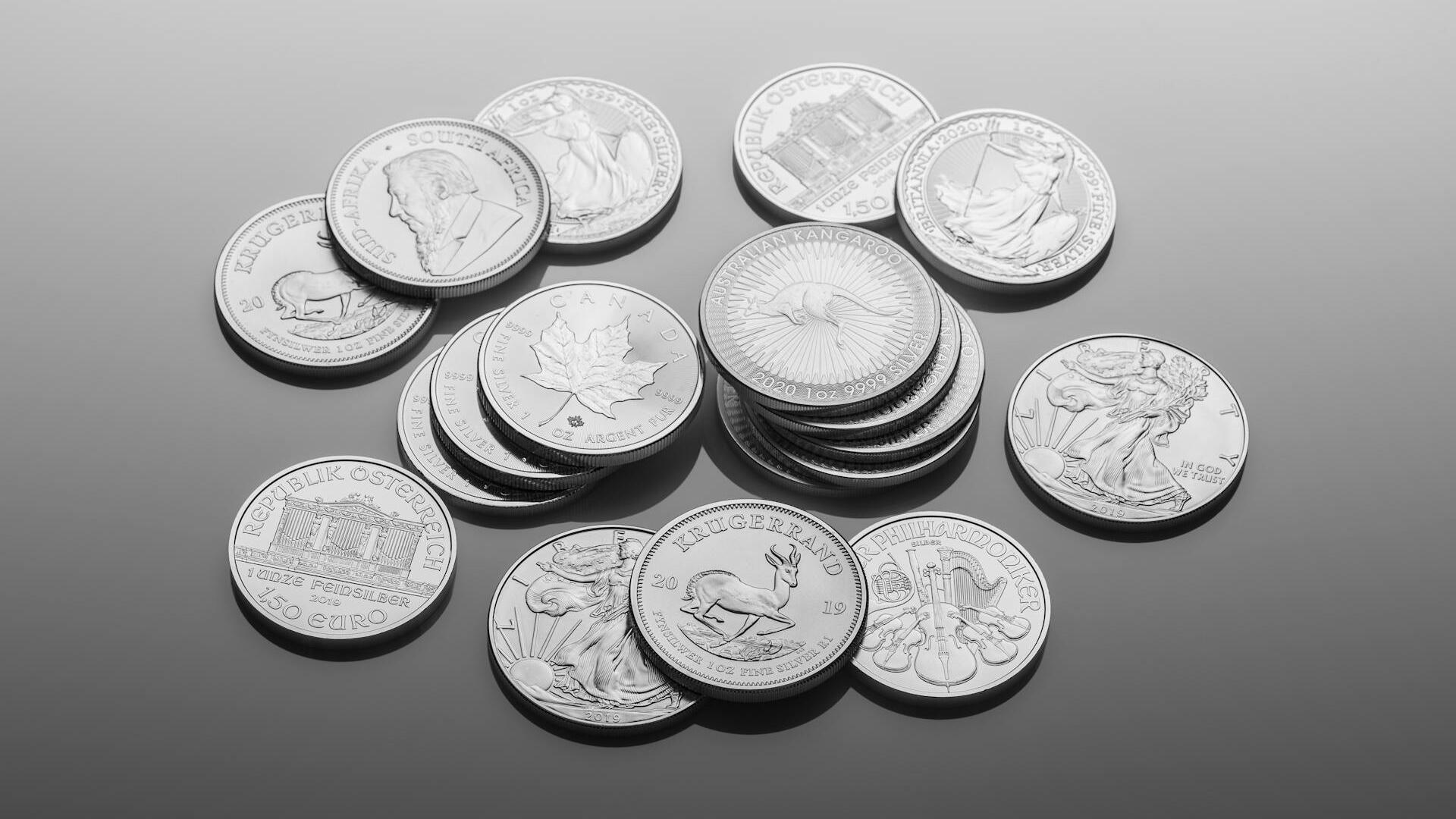
Silver has just blasted past US$60 an ounce for the first time in history, leaving investors scrambling to fathom why the metal long overshadowed by gold is suddenly stealing the spotlight.
After months of building momentum, the silver market has erupted, with spot prices jumping to around US$60.82 per ounce and futures briefly touching US$61.06.
The latest rounds off a remarkable year in which silver has more than doubled, leaving even gold struggling to keep pace.
So, what’s driving this incredible run?
A rare mixture of tight supply, expectations of interest-rate cuts, and an increasingly shaky U.S dollar — plus some extraordinary market disruptions — has created the perfect calm.
A major catalyst behind silver’s latest spike is the growing market expectation that the U.S. Federal Reserve (The Fed) is about to cut interest rates.
Traders are now pricing in roughly 87% odds of a quarter-point cut, which would bring rates down to the 3.5%–3.75% range.
Lower interest rates generally weaken the dollar, and this year the U.S dollar index has already fallen 8.5%, making precious metals more attractive.
While silver has benefited hugely from that trend - more so than gold - the real story isn’t just rate expectations, it’s supply.
Silver has been facing severe shortages all year, and the market dislocation is throwing up conditions unlike anything seasoned traders have seen.
London, the world’s central hub for physical silver trading, experienced an alarming collapse in available supply earlier this year.
One investment chief described October’s trading conditions as having “no liquidity available”, calling the situation “entirely unprecedented”.
However, the problem isn’t going away, with Chinese inventories having recently dropped to their lowest levels in a decade, and global stockpiles have been thinning at an alarming pace.
The U.S Geological Survey even added silver to its list of critical minerals, signalling risks of supply disruption and hinting that tariffs could be on the horizon.
Silver’s performance this year has been extraordinary:

- Spot silver is up nearly 109% year-to-date.
- Gold, meanwhile, is up around 60%, despite setting its own all-time highs above $4,381 in October.
- Platinum has also surged 86%, lifted by demand from electric vehicle manufacturers.
Even with silver’s explosive rise, some analysts warn its rally could be more volatile than gold’s.
Goldman Sachs has repeatedly stressed that gold remains the “safer” long-term bet because central bank demand offers a more stable foundation.
Nevertheless, it’s hard to ignore the wider picture: precious metals across the board are thriving in an environment of economic uncertainty, shifting monetary policy, and investor unease.
Silver’s march past $60 wasn’t exactly smooth.
A trading halt on the Comex exchange in late November — right in the middle of a choppy session — removed liquidity and exaggerated price swings.
With the holiday season further thinning trading volumes, even small movements have been magnified.
But despite the turbulence, the direction has remained unmistakably upward.
As one analyst put it, silver is “getting a strong bid ahead of the Fed meeting”, with investors positioning themselves for a lower-rate environment.
After decades of being dubbed “the poor man’s gold”, silver is finally having its breakout moment.
A mix of historic supply tightness, rate-cut optimism, a weakening dollar, and months of market stress has pushed the metal into record-setting territory.
Whether the rally continues is anyone’s guess — and there’s no shortage of warnings about volatility ahead, but for now, silver has unquestionably become the darling of the precious metals world.