Oil prices traded near their highest levels since late September during Thursday’s Asian session, supported by escalating concerns over Iran and a weaker United States dollar.
By 3:10 pm AEDT (4:10 am GMT), Brent crude futures for April were up 78 cents, or 1.2%, at US$68.15 a barrel. U.S. West Texas Intermediate crude rose 86 cents, or 1.4%, to US$64.07.
Both benchmarks were on track for their largest monthly percentage gains since July 2023, with Brent poised to rise about 12% and WTI around 10%.
Geopolitical tensions were a key driver. Donald Trump warned that “time is running out” for Iran to strike a nuclear deal as a large U.S. naval force moves toward the region, prompting Iran’s Foreign Minister Abbas Araghchi to say its military stands ready “with their fingers on the trigger” to respond immediately and forcefully to any aggression.
Tehran responded that it would retaliate forcefully if that occurred. Earlier this week, U.S. officials said an aircraft carrier and supporting warships had arrived in the Middle East.
Analysts at ING said: "Clearly, this more aggressive rhetoric has left the oil market nervous about the potential for supply disruptions. Iran pumps around 3.3m b/d of crude oil, while exporting around 1.5m b/d.
"This will be the most immediate supply concern. However, there are also concerns about what this could mean for regional oil supplies. Any escalation may pose a risk to Persian Gulf oil flows through the Strait of Hormuz, where around 20m b/d of crude oil passes.

"In the absence of an escalation, bearish fundamentals should once again take centre stage, leading the market to trend lower."
Market participants are also watching diplomatic developments, with trilateral talks between Russia, Ukraine and the US scheduled to resume in Abu Dhabi on 1 February, according to Russia’s Interfax news agency, citing the Kremlin.
A surprise draw in U.S. crude inventories lent further support. The U.S. Energy Information Administration said crude stocks fell by 2.3 million barrels to 423.8 million barrels in the week ended 23 January, compared with expectations for a 1.75 million-barrel increase.
Weather-related disruptions also played a role. A winter storm swept across large parts of the U.S. over the weekend, straining energy infrastructure and power grids.
Producers were bringing wells back online on Wednesday, but domestic output was estimated to be down about 600,000 barrels per day, or roughly 4% of total production.
Currency movements added to the upward pressure. The U.S. dollar hovered near four-year lows against a basket of major currencies, making dollar-denominated commodities such as oil cheaper for buyers using other currencies.
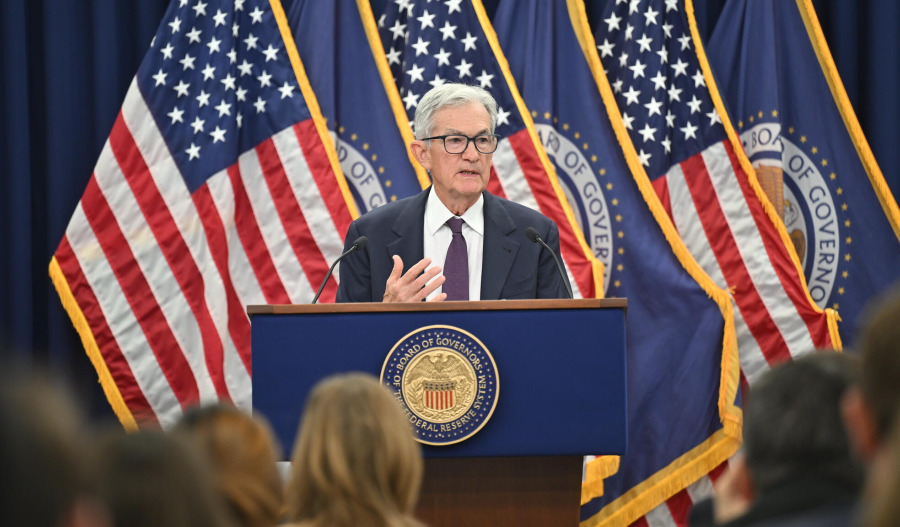
Meanwhile, the Federal Reserve kept interest rates unchanged on Wednesday (Thursday AEDT), citing solid economic growth alongside still-elevated inflation, and offered little guidance on when borrowing costs might decline.