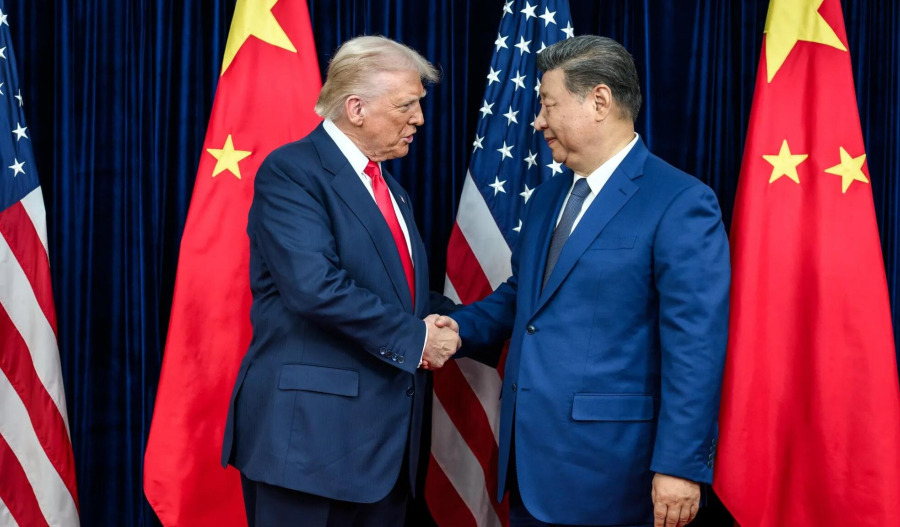
Oil prices fell during Asian trading on Wednesday, snapping a three-session rally as investors monitored fragile ceasefire negotiations involving Iran and prepared for a key meeting between United States President Donald Trump and Chinese President Xi Jinping in Beijing.
By 3:15 pm AEST (5:15 am GMT), Brent crude futures had fallen US$1.50, or 1.4%, to $106.27 per barrel, while U.S. West Texas Intermediate crude futures dropped $1.46, or 1.4%, to $100.72 a barrel.
Despite Wednesday’s decline, both oil benchmarks have largely remained at or above the $100 per barrel level since the United States and Israel launched strikes on Iran in late February and Tehran effectively closed the Strait of Hormuz.
Analysts at ANZ commented: "The latest peace talks have been unable to find any common ground, with Iran insistent on maintaining some control over its nuclear program. Iran’s response to President Trump’s most recent peace proposal also included its right to maintain a degree of control over traffic through Hormuz.
"It announced that it had deployed small submarines to act as an “invisible guardian”. The breakdown in negotiations suggests an extended disruption to oil supplies from the Persian Gulf is likely.
The U.S. blockade of Iranian ports is also starting to have an impact. Oil shipments from Iran’s main export terminal appear to have come to a standstill over the past several days, according to satellite images obtained by Bloomberg.
"Iran has been able to maintain exports during the conflict, with ship tracking data suggesting shipments of around 1.8mb/d."
Oil prices had rallied more than 3% on Tuesday after optimism surrounding a lasting ceasefire between the United States and Iran weakened, reducing expectations that the Strait of Hormuz could soon reopen to normal shipping activity.

Trump said on Tuesday he did not believe he would require China’s assistance to help end the conflict with Iran, despite growing concerns over the durability of ceasefire negotiations and Tehran’s continued tightening of control over the strait.
China remains the largest buyer of Iranian crude oil despite ongoing pressure from the Trump administration to curb purchases.
Trump is scheduled to meet Xi in Beijing on Thursday and Friday, with trade and geopolitical issues expected to dominate discussions between the two leaders.
The conflict has also begun to weigh on the broader U.S. economy as rising oil prices push fuel costs higher and add to inflationary pressures.
Recent economic data showed U.S. consumer prices rose sharply for a second consecutive month in April, resulting in the largest annual increase in inflation in nearly three years.
The stronger inflation reading reinforced expectations that the Federal Reserve will keep interest rates elevated for longer.
Higher borrowing costs typically weigh on economic activity and can reduce demand for oil over time.
Meanwhile, U.S. crude oil inventories fell for a fourth consecutive week last week, down 2.19 million barrels versus an expected draw of 1.65 million barrels, according data from the American Petroleum Institute (API).