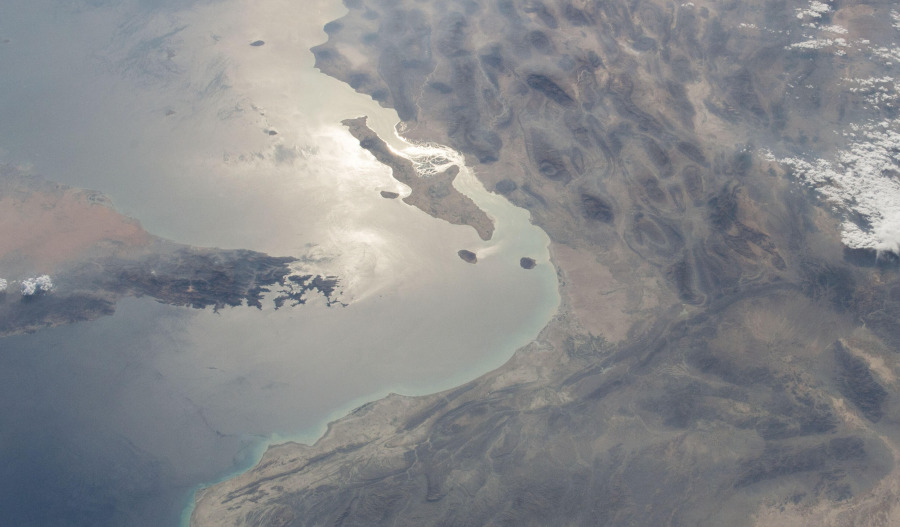
Oil prices moved higher during Friday's Asian deals, as fears of renewed military escalation in the Middle East intensified following fresh developments involving Iran in the Strait of Hormuz.
Brent crude futures rose $0.91, or 0.9%, to $105.98 per barrel by 2:45 pm AEST (4:45 am GMT), while U.S. West Texas Intermediate crude gained $0.54, or 0.6%, to $96.42 per barrel.
Both benchmarks had already posted strong gains in the previous session, settling more than 3% higher on Thursday and surging by around $5 per barrel.
The rally was driven by reports that Iran’s air defences were engaging targets over Tehran, alongside indications of internal tensions between hardline and moderate factions within the country.
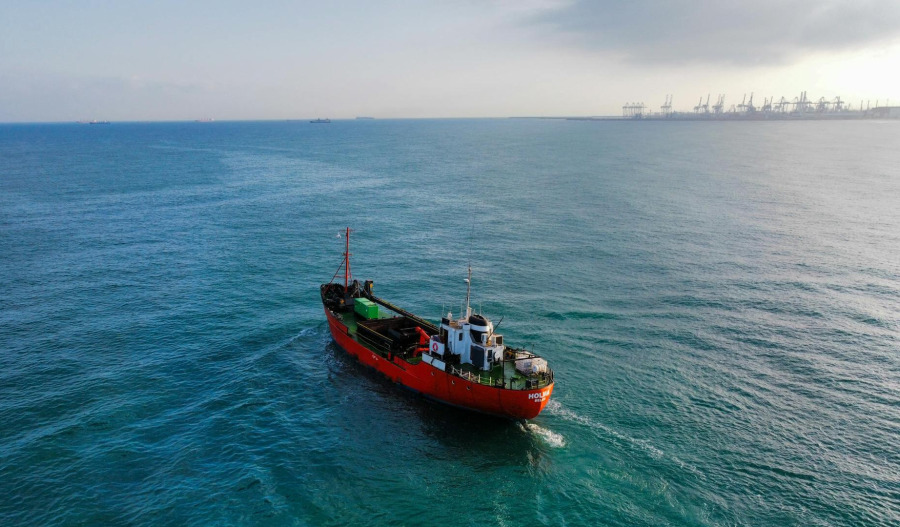
Investor concerns deepened after Iran released footage showing commandos boarding a cargo vessel in the Strait of Hormuz, reinforcing fears over the security of the critical shipping route, through which around 20% of global oil and gas supplies typically pass.
Geopolitical risks were further heightened by comments from President Donald Trump, who suggested Iran may have bolstered its military capabilities during the recent ceasefire period.
Trump said Tehran may have loaded up its weaponry "a little bit" during the two-week truce, but added that U.S. forces could eliminate those capabilities in a single day.

As markets searched for signs of a lasting resolution, Trump indicated he would not impose a fixed timeline on negotiations. "Don't rush me," he said when asked how long he was willing to wait for a long-term peace deal with Iran.
In a separate escalation, Trump confirmed he had ordered the U.S. Navy to take aggressive action against potential threats in the strait. “There is to be no hesitation,” he wrote in a Truth Social post, adding that U.S. forces should “shoot and kill any boat” laying mines in the waterway.
The president also said that minesweeping operations would be significantly increased, describing efforts to clear the strait as being conducted “at a tripled up level”.
Despite rising tensions with Iran, Trump also pointed to diplomatic progress elsewhere in the region, announcing that Israel and Lebanon had agreed to extend their ceasefire by three weeks following high-level talks at the White House.
Energy market participants remain on edge as disruptions continue to affect supply flows. The Strait of Hormuz remains central to the global energy system, and any prolonged instability risks significant knock-on effects for oil prices and broader economic activity.
Meanwhile, Fatih Birol, head of the International Energy Agency (IEA), warned of unprecedented risks to global energy security.
“We are facing the biggest energy security threat in history,” he told CNBC.
“As of today, we’ve lost 13 million barrels per day of oil ... and there are major disruptions in vital commodities,” he added.