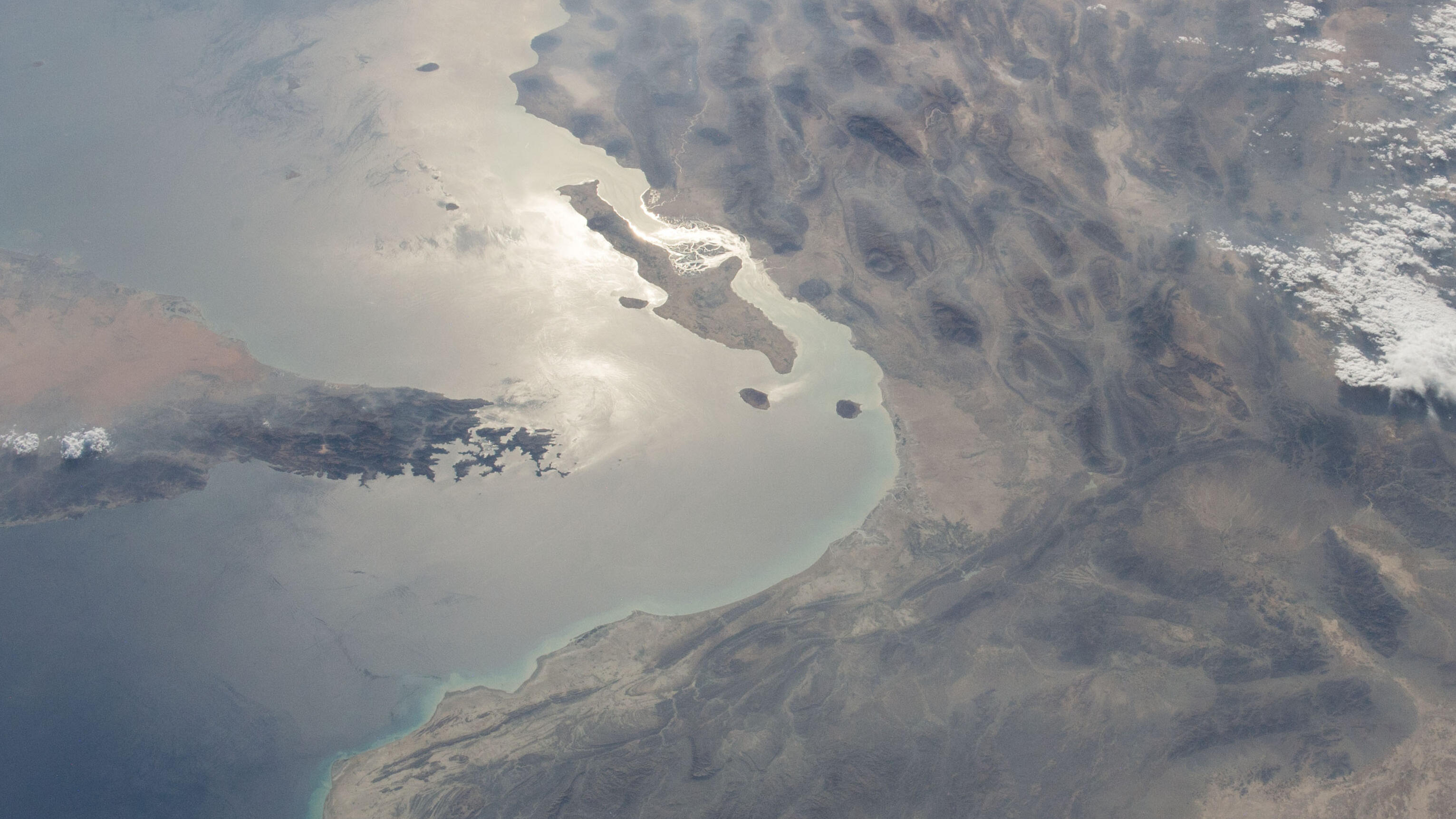
Oil prices extended their gains during Asian trade on Thursday, supported by stalled peace negotiations between the United States and Iran and continued disruption to shipping flows through the Strait of Hormuz.
By 2:55 pm AEST, Brent crude futures rose $1.40, or 1.4%, to $103.31 per barrel, while U.S. West Texas Intermediate crude futures gained $1.30, or 1.4%, to $94.26 per barrel.
The advance followed strong gains in the previous session, when both benchmarks settled more than $3 higher amid larger-than-expected draws in U.S. gasoline and distillate inventories and a lack of progress in diplomatic efforts between Washington and Tehran.
While U.S. President Donald Trump recently extended a ceasefire following mediation efforts by Pakistan, both countries continue to restrict maritime traffic through the Strait of Hormuz, a key conduit for global oil shipments.
ING Think's Commodities Strategists Warren Patterson and Ewa Manthey highlighted the growing impact of prolonged supply disruption, stating: "As hopes fade, the reality of the supply disruption will set in, leaving further upside for prices. If no progress is made, the market will become increasingly numb to the noise and headlines that have dictated price action recently.
"Meanwhile, we continue to see growing demand destruction in the oil market, a trend that will intensify as Persian Gulf supply disruptions persist. Airlines continue to announce flight cancellations amid a tightening in jet fuel supply and significant price strength.
"Europe’s jet fuel market is heavily exposed to developments in the Middle East. The region sources the majority of its jet fuel imports from the Persian Gulf. There is a push for Europe to look elsewhere for alternative supplies, while also relying heavily on inventory.

"Jet fuel inventory in the ARA region has been declining rapidly in recent weeks, reaching its lowest levels since the Covid era."
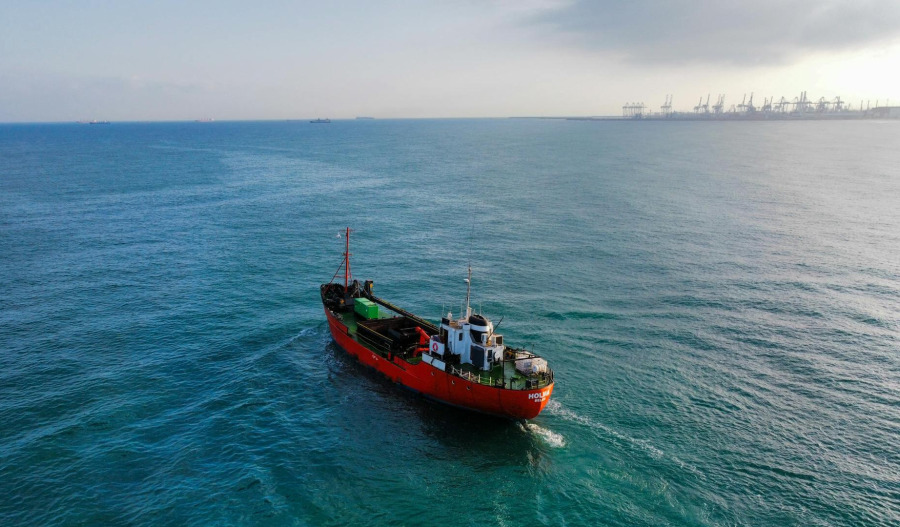
Geopolitical tensions remain elevated, with Iran seizing two vessels in the Strait of Hormuz on Wednesday, tightening its control over the strategic waterway.
At the same time, the United States has maintained a naval blockade on Iranian maritime trade, further constraining supply routes.
Iranian parliament speaker and chief negotiator Mohammad Baqer Qalibaf indicated that a comprehensive ceasefire would depend on the lifting of the U.S. blockade.
In a parallel development, Reuters reported that U.S. forces have intercepted at least three Iranian-flagged oil tankers in Asian waters, redirecting them away from areas near India, Malaysia and Sri Lanka, according to shipping and security sources.
Data from the United States also contributed to market movements. The Energy Information Administration (EIA) reported that crude inventories rose by 1.9 million barrels, contrary to expectations for a 1.2 million-barrel draw.
However, product inventories showed significant declines, with gasoline stocks falling by 4.57 million barrels, well beyond expectations for a 1.5 million-barrel draw. Distillate inventories also dropped by 3.43 million barrels, exceeding forecasts for a 2.5 million-barrel decline.