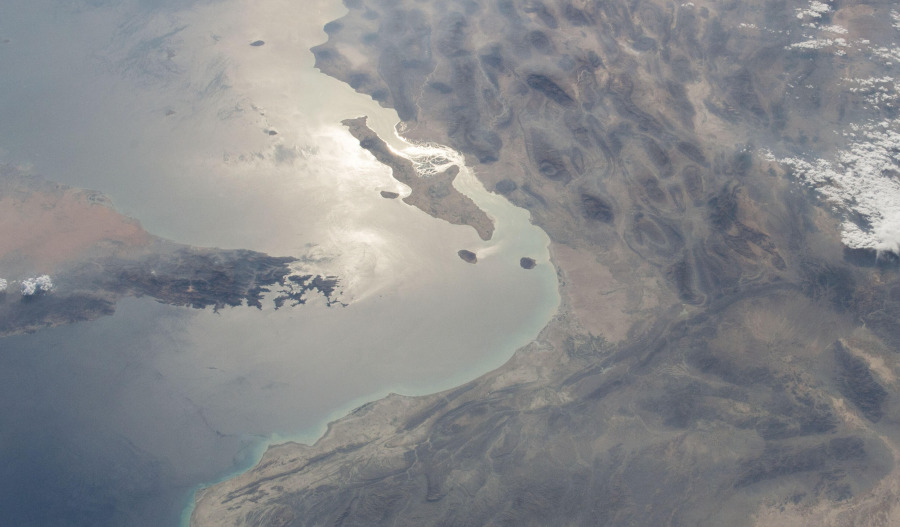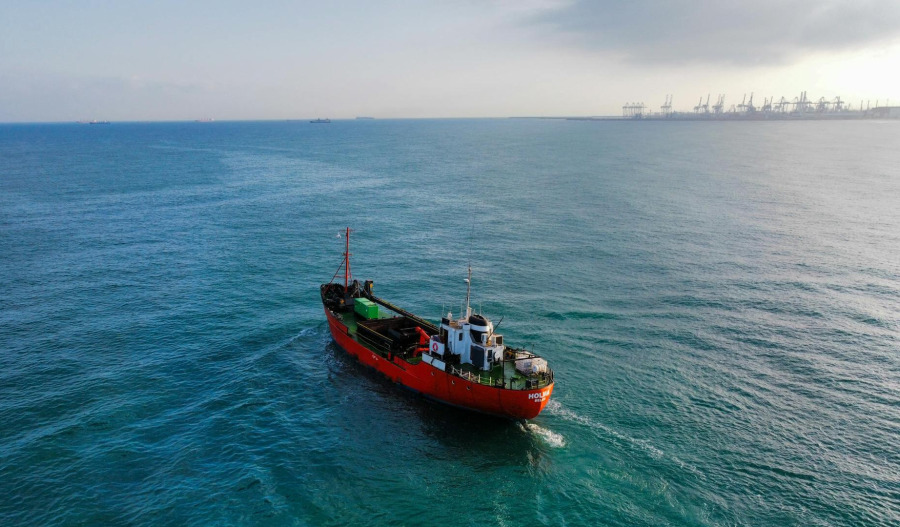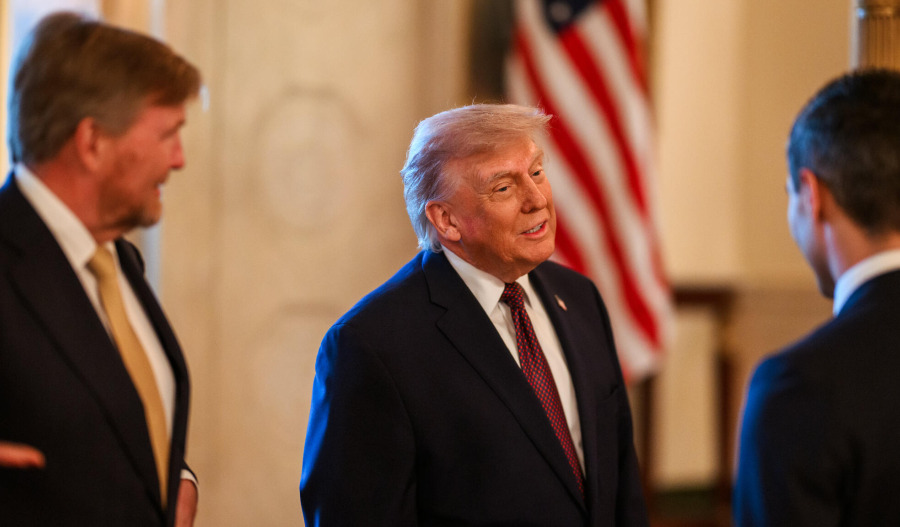
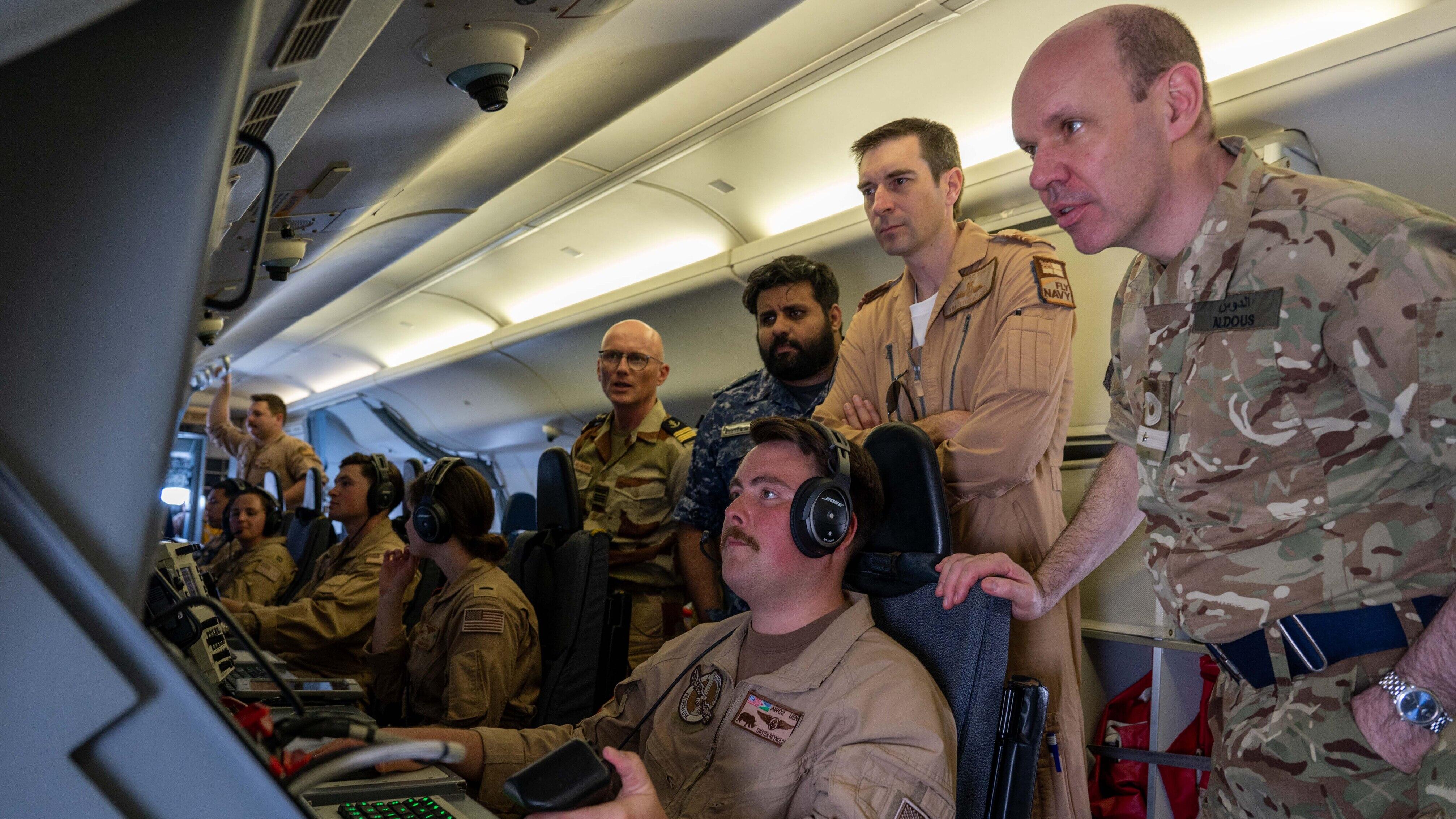
President Donald Trump has ordered the United States Navy “to shoot and kill any boat” laying mines in the Strait of Hormuz, marking a sharp escalation in tensions with Iran over the critical global oil shipping route.
Trump said the directive would be enforced without delay. “There is to be no hesitation,” he wrote in a post on Truth Social.
The president also confirmed that U.S. minesweeping operations in the strait would be intensified significantly. He said he had instructed naval forces to continue clearing the waterway “at a tripled up level”.
In a further show of force, Trump asserted that the United States had full control over the strait, one of the world’s most strategically important maritime chokepoints.
“No ship can enter or leave without the approval of the United States Navy. It is ‘Sealed up Tight,’ until such time as Iran is able to make a DEAL!!!” he wrote in a separate post.
The move underscores a deepening confrontation between Washington and Tehran over access to the Strait, which typically accounts for roughly 20% of global oil shipments. Traffic through the passage has dropped sharply since the outbreak of war in late February.
Trump has been pressing Iran to fully reopen the waterway as part of a fragile ceasefire arrangement.
Although the ceasefire was initially set to expire this week, the president moved unilaterally to extend it, even as broader negotiations remain stalled.

As part of its strategy, the United States has implemented a retaliatory naval blockade targeting Iranian ports in the region. The aim is to pressure Tehran into loosening its control over the strait and returning to negotiations.
U.S. Central Command said in a post on X that it had already forced 31 vessels to turn around or return to port under the blockade.
Despite these efforts, tanker traffic remains well below normal levels. In peacetime, more than 100 ships, including dozens of oil tankers, pass through the strait each day.
Since Iran’s effective closure, daily traffic has dropped to single digits.
Iran has rejected U.S. demands to reopen the route. Parliamentary speaker Mohammad Bagher Ghalibaf said on Wednesday that “reopening the Strait of Hormuz is impossible” while the U.S. blockade remains in place.
The conflict, launched by the United States and Israel on 28 February, has been paused since a ceasefire took effect on 8 April. However, the situation remains volatile, with the risk of renewed hostilities rising.
Israel signalled it is prepared to resume military operations. Defence Minister Israel Katz said the country was awaiting a “green light” from Washington to restart its campaign.
Katz warned that any renewed offensive would escalate significantly, stating that Israel would target Iran’s top leadership, including Supreme Leader Ayatollah Mojtaba Khamenei.
"This time the attack will be different and deadly and will add devastating blows in the most painful places, following the enormous blows the Iranian terror regime has already suffered so far, that will shake and collapse its foundations," he said.