Oil prices traded higher during Wednesday's Asian deals as ongoing supply uncertainty in the Middle East offset growing optimism that renewed diplomatic talks between the United States and Iran could ease tensions.
By 3:10 pm AEST (5:10 am GMT), Brent crude futures rose 91 cents or 1% to US$95.70 per barrel, recovering from earlier losses after falling 4.6% in the previous session.
Meanwhile, West Texas Intermediate crude added 40 cents or 0.4%, to $91.05 per barrel.
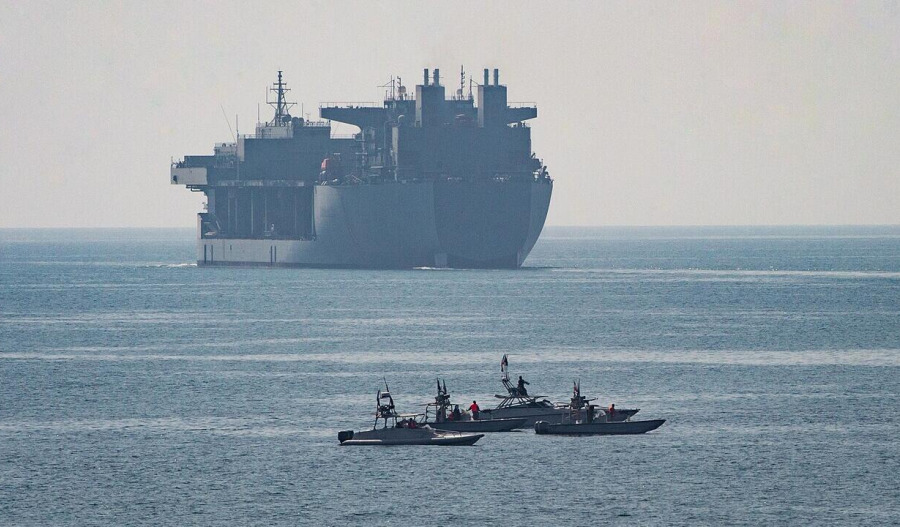
Markets remain caught between hopes of a diplomatic resolution and concerns over disrupted supply, particularly as the Strait of Hormuz, a critical artery for global oil flows, remains largely shut.
U.S. President Donald Trump said on Tuesday that talks to end the conflict involving the U.S., Israel and Iran could resume in Pakistan within days, following the collapse of negotiations over the weekend.
The breakdown in talks prompted Washington to impose a blockade on Iranian ports, raising the stakes for global energy markets.

Despite the setback, the prospect of renewed negotiations has lifted expectations that a resolution could eventually restore crude and fuel flows from the region.
However, supply risks remain elevated. United States Central Command commander Adm. Brad Cooper said in a statement posted on X:
"A blockade of Iranian ports has been fully implemented as U.S. forces maintain maritime superiority in the Middle East. An estimated 90% of Iran's economy is fueled by international trade by sea. In less than 36 hours since the blockade was implemented, U.S. forces have completely halted economic trade going into and out of Iran by sea.”
The conflict has severely restricted movement through the Strait of Hormuz, a vital route for crude and refined products bound for global markets, particularly in Asia and Europe.
Despite a temporary two-week ceasefire, shipping traffic through the strait remains significantly reduced, with volumes at only a fraction of pre-conflict levels.
Investors are also monitoring U.S. supply data for further direction. Industry figures from the American Petroleum Institute showed crude inventories rose by 6.1 million barrels last week, marking a third consecutive build and contrasting with expectations for a 1.3 million barrel draw.