Oil prices were trading higher during Monday's Asian trade as investors weighed escalating threats between the United States and Iran against the prospect of increased global supply following a temporary easing of U.S. sanctions last week.
By 3:05 pm AEDT (4:05 am GMT), Brent crude futures rose $0.75, or 0.7%, to $112.94 per barrel after closing at their highest level since July 2022 in the previous session.
U.S. West Texas Intermediate crude gained $1, or 1%, to $99.23 per barrel, extending gains after a 2.3% rise on Friday.
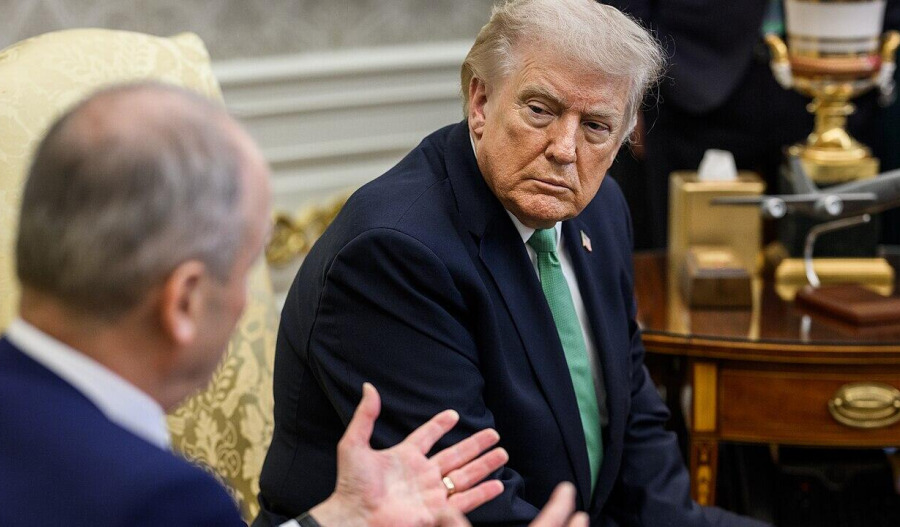
Market sentiment remained highly sensitive to geopolitical developments. U.S. President Donald Trump over the weekend threatened to “obliterate” Iran’s power infrastructure if Tehran failed to fully reopen the Strait of Hormuz within 48 hours, a key artery for global energy shipments.

Iran responded with strong warnings, with Parliament Speaker Mohammad Baqer Qalibaf stating that energy and critical infrastructure across the Middle East could be irreversibly destroyed if Iranian facilities were targeted.
The escalating rhetoric underscores the severity of the crisis, with International Energy Agency Executive Director Fatih Birol describing the situation as “very severe” and potentially worse than the oil shocks of the 1970s.
Further tightening the supply outlook, Iraq has declared force majeure on oilfields operated by foreign companies.
Production at Basra Oil Company has reportedly fallen to around 900,000 barrels per day, down sharply from 3.3 million barrels per day, according to the country’s oil ministry.
At the same time, signs of additional supply are emerging. Indian refiners are reportedly preparing to resume purchases of Iranian crude, while other Asian buyers are assessing similar moves following Washington’s temporary easing of sanctions.