Oil prices edged lower during Tuesday's Asian deals as markets balanced reports of renewed diplomatic efforts between the United States and Iran against fresh military strikes and escalating threats to regional energy supplies.
By 3:30 pm AEST (5:30 am GMT), Brent crude futures were down 61 cents, or 0.7%, at US$88.61 a barrel, while U.S. West Texas Intermediate crude for September delivery fell 23 cents, or 0.3%, to $82.25 a barrel.
ING commodity strategists said in The Commodities Feed that markets were cautiously optimistic that diplomatic efforts could help ease tensions.
"There’s some hope of de-escalation between the U.S. and Iran. Reports are that mediators are proposing a 10-day ceasefire, which could put the Memorandum of Understanding (MoU) back on track. This won’t be an easy task. Large divisions remain between the U.S. and Iran. And President Trump said the U.S. would retaliate following the deaths of several American troops.
"Additionally, the Houthis in Yemen announced a naval blockade on Saudi Arabia, putting oil supply at increased risk. Since disruptions hit the Persian Gulf, the Saudis have increased exports from Yanbu in the Red Sea, shipping around 4.6m b/d of crude in June, up from around 1.3m b/d at the start of the year.
"An effective blockade would prevent oil flows to Asia moving south via the Bab el-Mandeb Strait. Instead, vessels would have to take the much longer route through the Suez Canal and go around Africa.

"It’s yet to be seen how effective any blockade will be. But, clearly, this development will increase insurance costs."
A senior Iranian official told Reuters that Tehran had received a proposal from international mediators for a 10-day ceasefire aimed at preserving the agreement signed on 17 June, and creating a pathway towards a broader settlement to end the conflict.
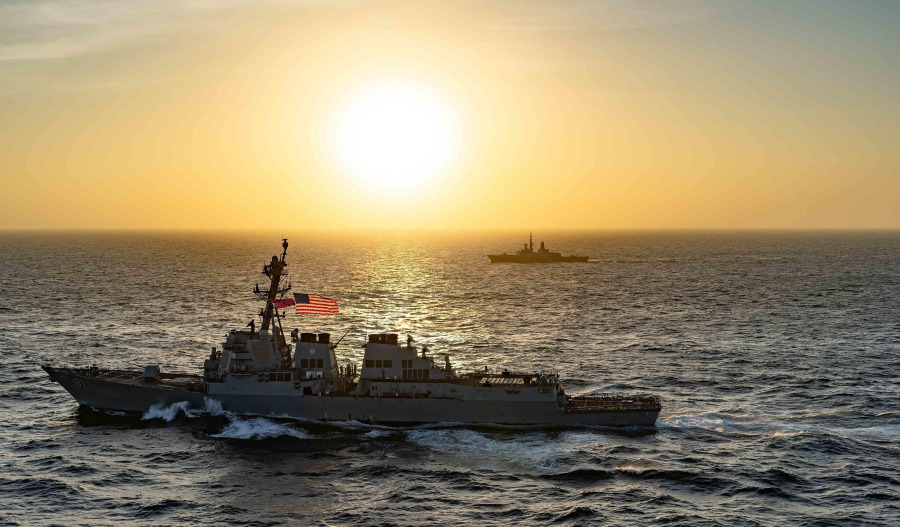
The diplomatic efforts came after another night of U.S. strikes on Iranian cities and retaliatory attacks by Iran's Revolutionary Guards against U.S. military assets across the region.
Later on Monday, U.S. Central Command confirmed it had launched another round of strikes on Iran.
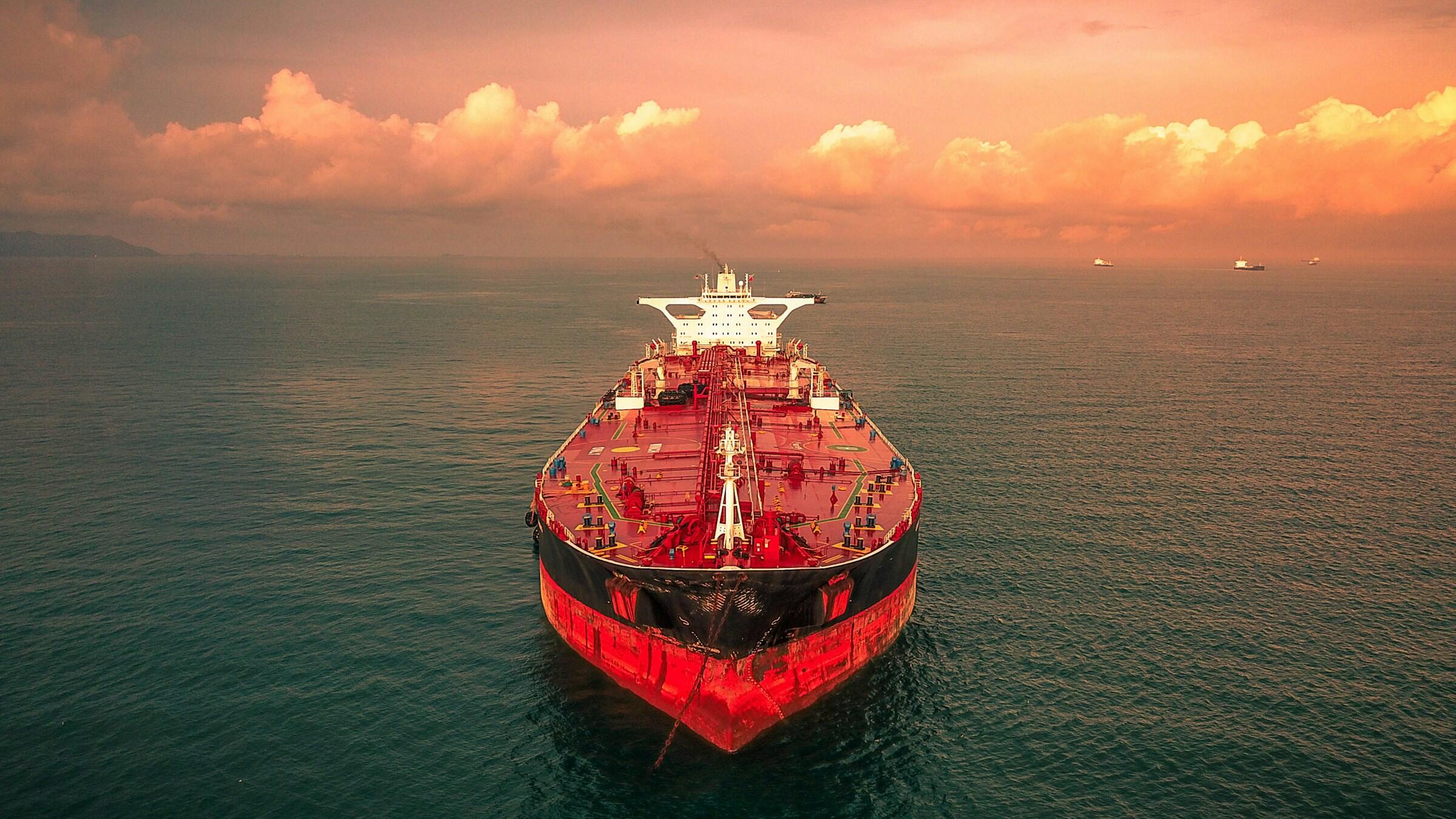
Meanwhile, a tanker transiting the Strait of Hormuz reported being struck by an unknown projectile, forcing its crew to abandon the vessel and board lifeboats, according to the United Kingdom Maritime Trade Operations (UKMTO) agency.
Vessel traffic through the strategic waterway also declined as ship operators exercised greater caution following the latest exchange of attacks.
Adding to supply concerns, Yemen's Iran-aligned Houthis announced on Monday that they would impose a naval blockade on Saudi Arabia, opening a potential new front in the conflict and increasing the threat to global energy supplies and international trade beyond the Gulf.