Oil prices extended their gains during Monday's Asian session as escalating military action between the United States and Iran disrupted shipping through the Strait of Hormuz, fuelling concerns over global crude supplies.
By 3:25 pm AEST (5:25 am GMT), Brent crude futures had risen US$2.08, or 2.4%, to US$90.18 per barrel, the highest level since 11 June and on track for their biggest weekly gain since April.
US West Texas Intermediate crude for September delivery climbed US$1.68, or 2.1%, to US$83.46 per barrel.
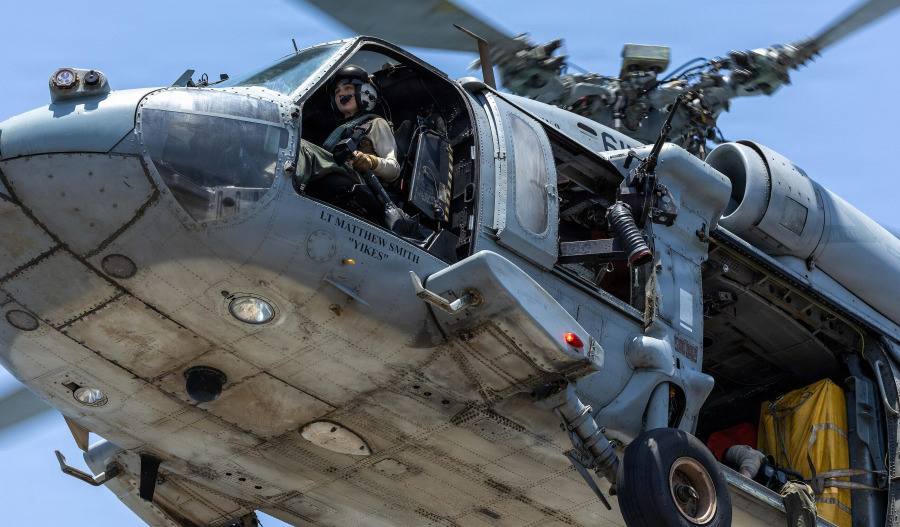
The latest advance followed another escalation in the Middle East over the weekend, with the United States launching a ninth consecutive night of strikes against Iran, while U.S. allies Kuwait and Bahrain reported fresh Iranian attacks.
ING commodities strategists said in The Commodities Feed:
"If this escalation goes unchecked, we could return to an environment of wide-scale attacks across the Persian Gulf. Vessel flows have essentially ground to a halt. LSEG data show that only 2 outbound visible oil tankers transited the Strait of Hormuz, with no inbound traffic. Flows are essentially back to where they were before the Memorandum of Understanding (MoU).

"Meanwhile, reports are that Iran told the Houthis in Yemen to essentially shut the Bab el-Mandeb Strait if the U.S. attacks Iranian power infrastructure. This strait is important for vessel movements through the Red Sea.
"The Saudis have relied heavily on this route since the war began to bypass the Strait of Hormuz. If closure occurs, tankers would have to enter and exit the Red Sea via the Suez Canal. This would make Saudi oil exports to Asia a lengthier and costlier affair.
"The issue for the oil market is that SPR releases, which have offered some relief during the war, are set to cease around the end of this month. This leaves the market relatively more vulnerable.
"Clearly, there’s always the potential for SPRs to be tapped further. The U.S. may be willing to do so, given that the 172 million barrels it's in the process of releasing are structured as an exchange rather than a pure release. So, these barrels will be returned to the SPR plus interest in the form of additional supply."
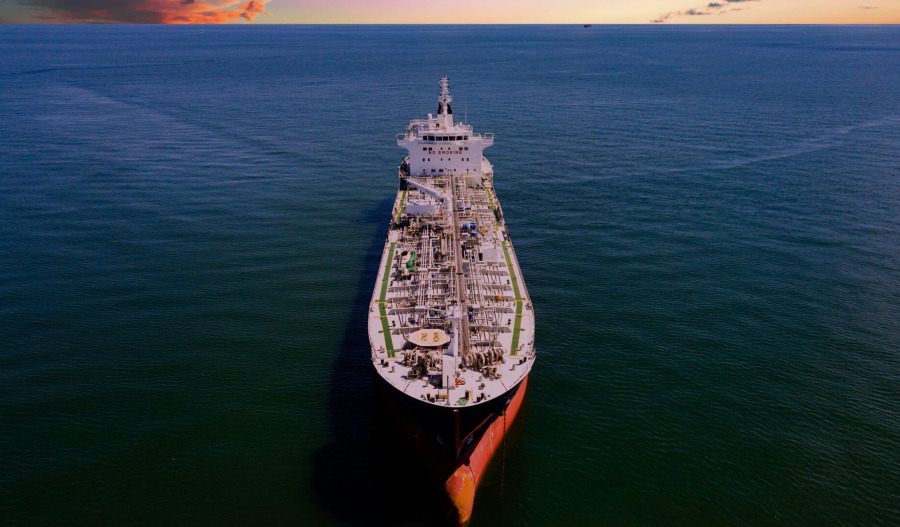
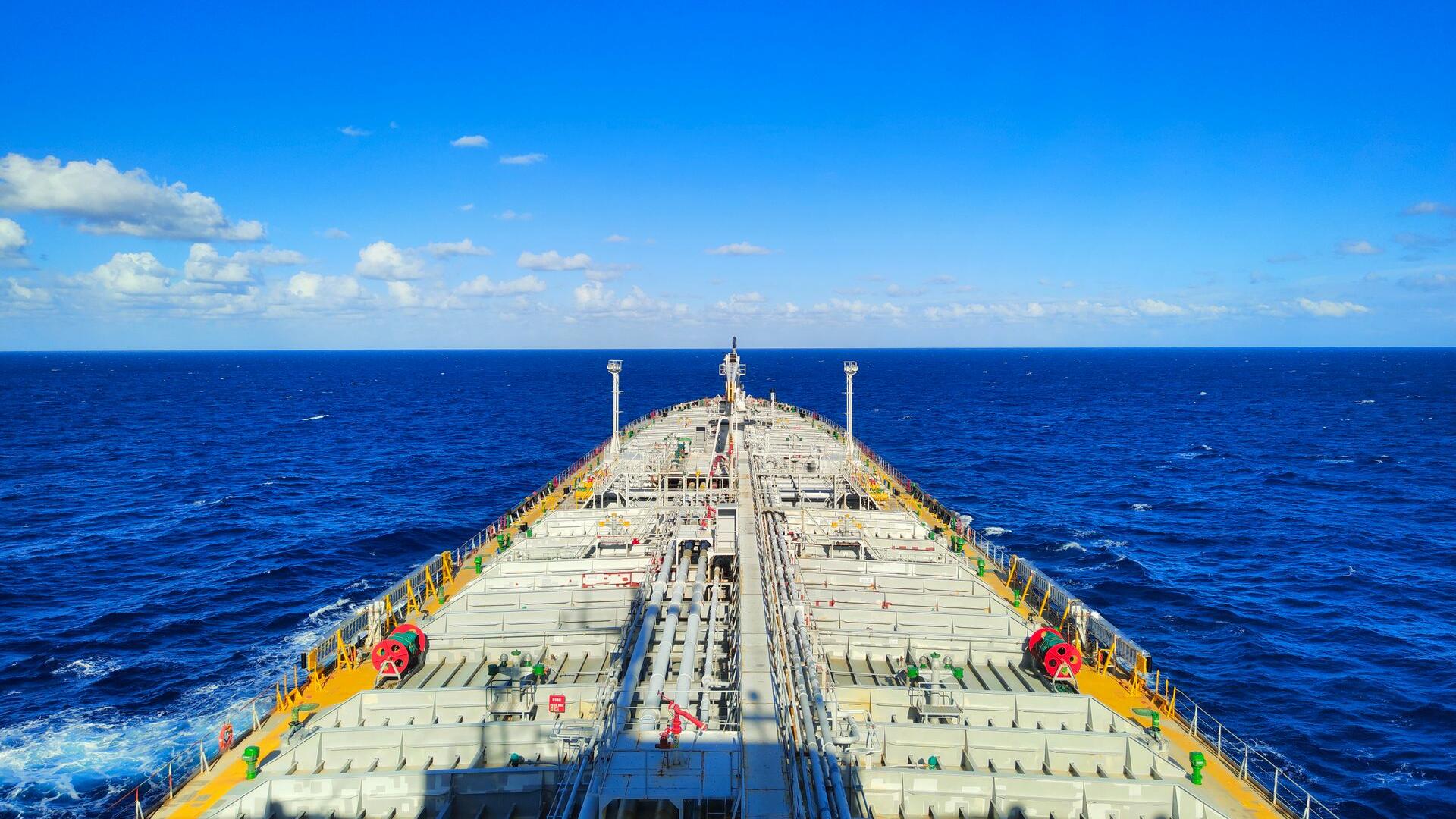
In recent days, both sides have increasingly targeted maritime traffic. The United States says it is enforcing a naval blockade on Iranian ports, while Iran has warned it is targeting vessels it claims are violating its navigation rules in the Strait of Hormuz, a strategic waterway that normally carries around one-fifth of global oil trade.
Separately, the United Kingdom Maritime Trade Operations (UKMTO) agency reported early Monday that a vessel was on fire northwest of Oman's Kumzar, adding to concerns over shipping security in the region.