Oil prices rose for a third consecutive session on Tuesday as the expanding United States-Israeli conflict with Iran heightened concerns over supply disruptions across the Middle East and shipping through the critical Strait of Hormuz.
By 3 pm AEDT (4 am GMT), Brent crude futures were up $1.64, or 2.1%, at US$79.38 per barrel. U.S. West Texas Intermediate crude gained $1.12, or 1.6%, to trade at $72.35 per barrel.
The rally reflects mounting fears that the conflict could significantly disrupt output and exports from a region that accounts for a substantial share of global energy supply.
ANZ analysts said: “The longer the conflict persists, the greater the impact on the oil market it will have. While Middle Eastern producers such as Saudi Arabia, UAE and Iraq are still producing oil despite exports being hampered, storage facilities are likely to fill up quickly, leading to a halt to production. “
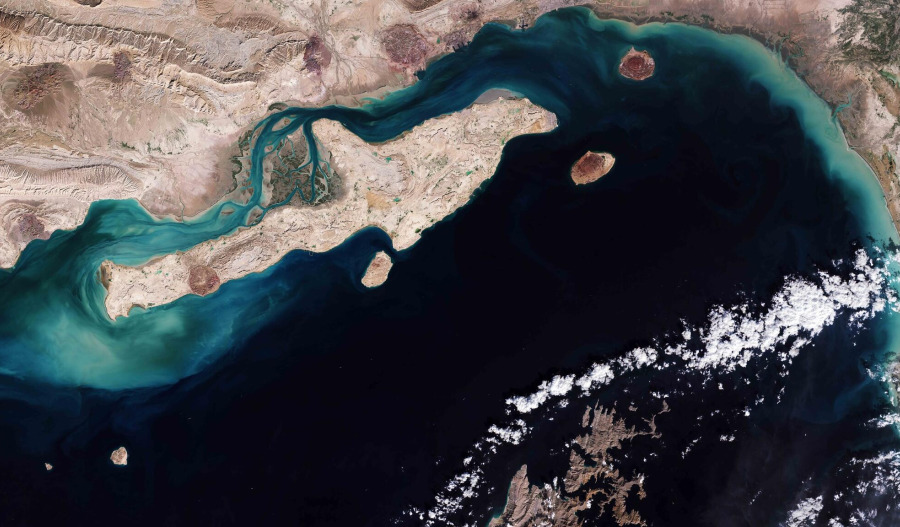
Tensions intensified after reports that an Iranian Revolutionary Guards official declared the Strait of Hormuz closed and warned that Iran would fire on any vessel attempting to transit the waterway.
On a typical day, crude shipments equivalent to around one-fifth of global oil demand pass through Hormuz, alongside tankers carrying diesel, petrol and other refined fuels to major Asian markets including China and India.

The channel also handles roughly 20% of the world’s liquefied natural gas trade.
Shipping traffic has slowed sharply, with tankers and container vessels reportedly avoiding the route after insurers withdrew coverage for ships entering the area.
Earlier on Monday, Reuters reported that the Honduran-flagged Athe Nova, was ablaze in the strait after being struck by two drones, citing Iranian news agencies.
The escalation follows an expansion of the U.S. and Israeli air campaign against Iran. Israel launched strikes into Lebanon, while Iran retaliated with attacks on energy infrastructure in Gulf states and against vessels transiting the Strait of Hormuz.
The widening theatre of operations has raised the risk that production facilities, refineries and export terminals could become sustained targets.
Analysts expect oil prices to remain elevated in the near term as markets monitor further military developments and assess the durability of supply disruptions.
While some regional producers continue to pump crude, the combination of constrained exports, rising storage pressures and potential refinery outages threatens to tighten global balances if the conflict drags on.