The lethal blows traded between Washington and Tehran have seen global defence stocks sharply higher and deepened fears of a broader Middle East war that could reverberate through energy markets and into Australian households.
In the United States, shares in contractors including Lockheed Martin and Northrop Grumman surged as investors recalibrated for the prospect of sustained military operations.
Across Europe, Britain’s BAE Systems and Germany’s Hensoldt rallied strongly even as broader indices slid.
Closer to home, DroneShield (ASX: DRO) and Codan (ASX: CDA) were up 6.6% and 4.6% respectively.
The immediate catalyst was a weekend escalation in which U.S. and Israeli forces struck Iranian nuclear and military targets, killing Iran’s supreme leader, Ali Khamenei.
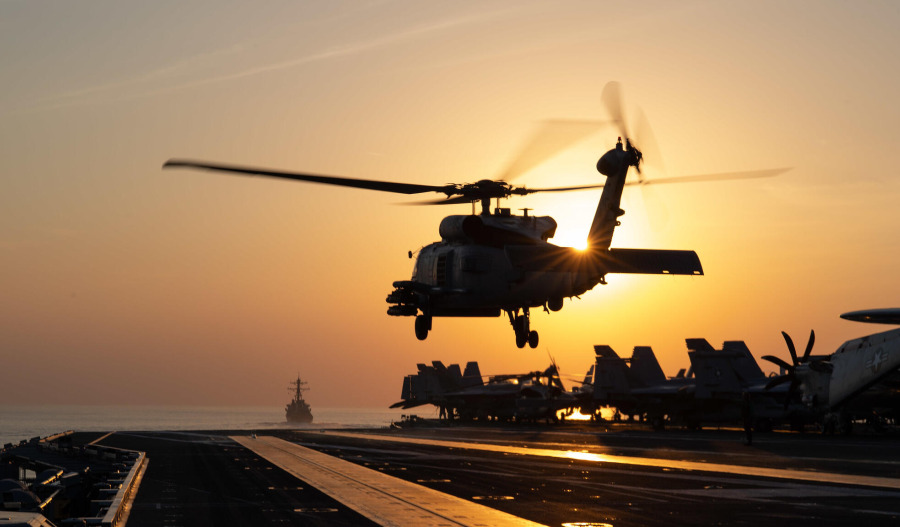
Tehran responded with missile attacks on American bases in the Gulf, leaving U.S. personnel dead and prompting warnings from President Donald Trump that the confrontation could stretch for weeks.
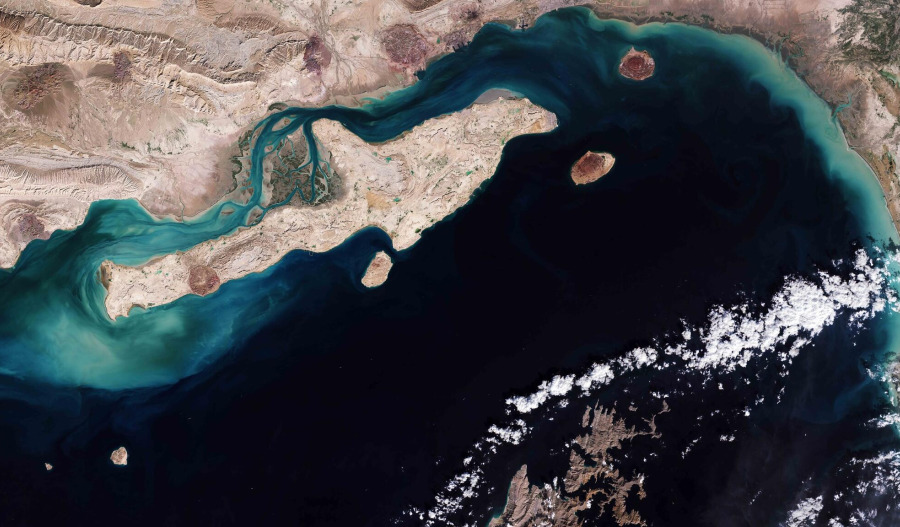
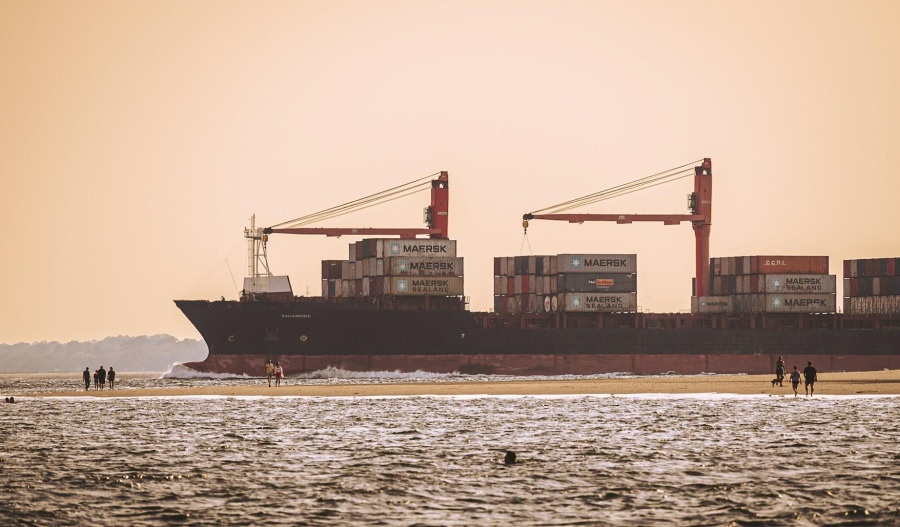
Oil prices spiked amid concerns about the security of shipping routes through the Strait of Hormuz, through which roughly a fifth of the world’s crude flows.
Energy giants such as Exxon Mobil climbed as airlines and travel companies sold off on fears of higher fuel costs and disrupted routes.
From an Australian vantage point, the market reaction underscores the fragility of a global economy already wrestling with sticky inflation and uneven growth.
Higher oil prices, if sustained, would feed directly into local petrol prices, freight costs and ultimately supermarket shelves.
For a country still reliant on imported refined fuel, volatility in the Gulf is more than a distant headline.
The surge in defence stocks follows a pattern familiar to investors: geopolitical shock drives expectations of increased military spending, lifting order books and share prices.
Exchange-traded funds tracking aerospace and defence have also outperformed broader benchmarks this year as governments in North America, Europe, and parts of Asia accelerate procurement of missile systems, drones and air defence platforms.
Analysts caution, however, that such rallies can be fickle.
If hostilities de-escalate quickly, speculative gains may unwind just as fast.
However, a protracted conflict could entrench a new cycle of global rearmament, with long-term contracts for maintenance, software upgrades and logistics support providing steadier revenue than traditional one-off weapons sales.
For Canberra, the crisis sharpens existing strategic calculations.
Australia is already committed to lifting defence spending and deepening industrial ties with the U.S. and UK under the AUKUS pact.
A more volatile Middle East could further strain American resources while reinforcing arguments for greater self-reliance in the Indo-Pacific.
There are broader implications.
Escalating tensions risk drawing in Gulf states and disrupting energy infrastructure, with knock-on effects for Asian economies that are key trading partners for Australia.
Equity markets across the region have been choppy, reflecting uncertainty over growth and inflation should oil remain elevated.
Investors are now grappling with a central question: is this a short, sharp exchange designed to reassert deterrence, or the opening chapter of a longer and more destabilising conflict?
The answer will shape not only defence balance sheets but also household budgets and government policy far beyond the Gulf.
Meanwhile, the bigger picture is sobering.
Financial markets can quickly price in the prospects of war; repairing the economic and human damage takes far longer.
For Australia, geographically distant yet economically exposed, the latest flare-up is a reminder that in an interconnected world, instability abroad rarely stays there.