Oil prices rose for a fifth consecutive session during Thursday's Asian trade, climbing to their highest levels in more than six weeks as escalating conflict in the Middle East heightened concerns over disruptions to global energy supplies.
By 3:30 pm AEST (5:30 am GMT), Brent crude futures gained US$1.98, or 2.1%, to US$96.05 a barrel, the highest level since 8 June.
U.S. West Texas Intermediate (WTI) crude rose US$1.42, or 1.6%, to US$88.25 a barrel, its highest level since 11 June.
Markets remained focused on the security of two of the world's most important oil shipping routes after Iran and Yemen's Iran-aligned Houthi movement intensified threats against commercial vessels.
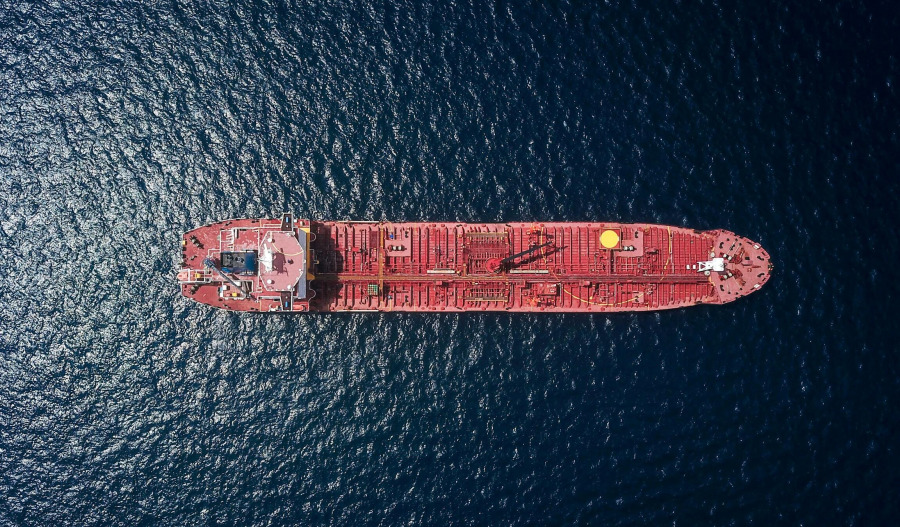
Iran's Revolutionary Guards said an oil tanker caught fire following an explosion while attempting to navigate what they described as a mined route south of the Strait of Hormuz. The Guards added that two other tankers had turned back.

The conflict widened further this week after the Iran-backed Houthis threatened to target vessels transporting Saudi crude through the Bab el-Mandeb Strait and announced a naval blockade against Saudi Arabia.
The Houthis said they had attacked two Saudi oil tankers, while maritime security reports indicated that one of the vessels identified by the group, the Saudi-flagged tanker Encelia, had been struck in the Red Sea.
Analysts at ANZ said geopolitical developments were becoming the dominant driver of oil prices.
"The recent escalation in the Middle East conflict has seen Brent crude futures rebound sharply. Since the start of July, they have gained nearly 30%. Oil prices are increasingly shaped not only by observed fundamentals but by what the market believes fundamentals will look like over the next 6–12 months."
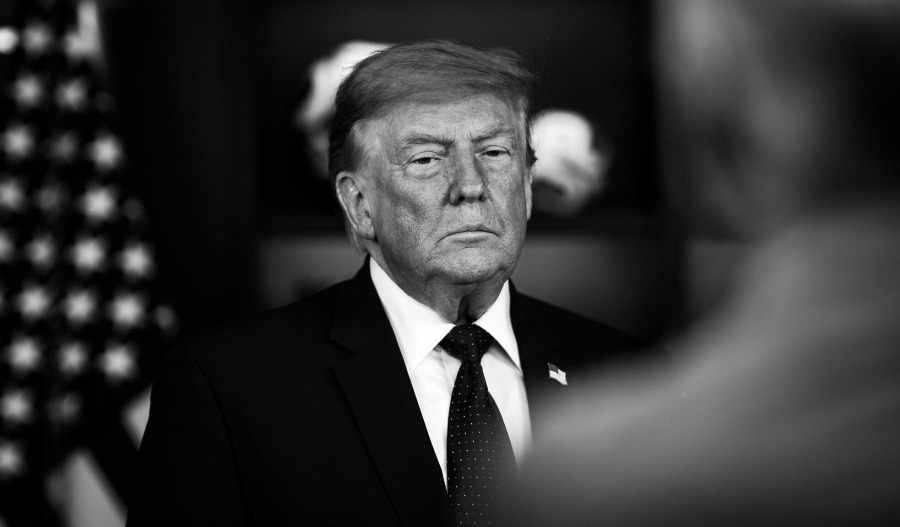
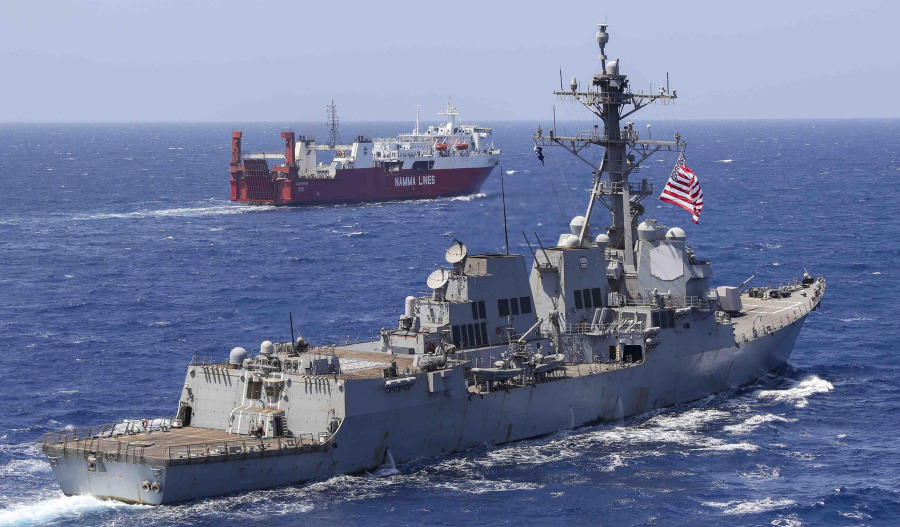
Meanwhile, the U.S. military completed its 12th consecutive night of strikes against Iranian targets, hours after President Donald Trump threatened to destroy Iranian infrastructure if Tehran attacked ships transiting the Strait of Hormuz.
The renewed escalation has fuelled concerns over the security of global oil supplies, with traders increasingly pricing in the risk of prolonged disruption across key Middle Eastern export routes.