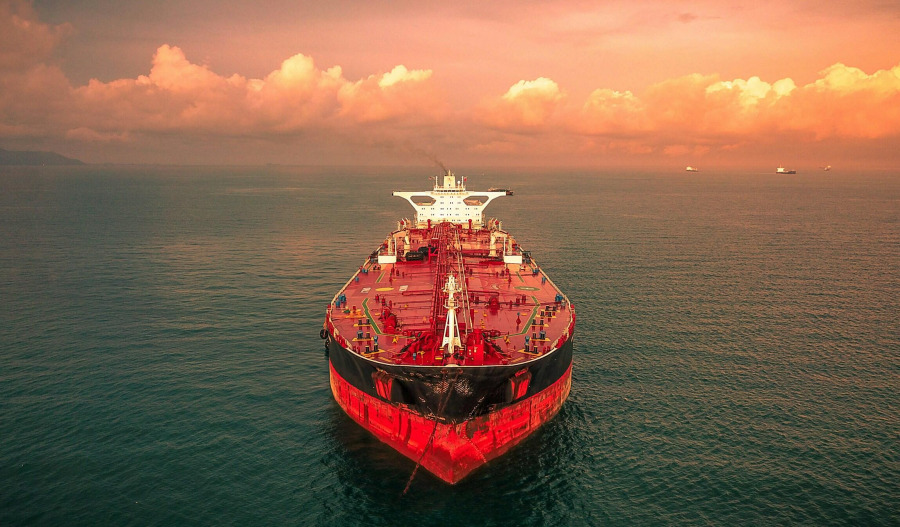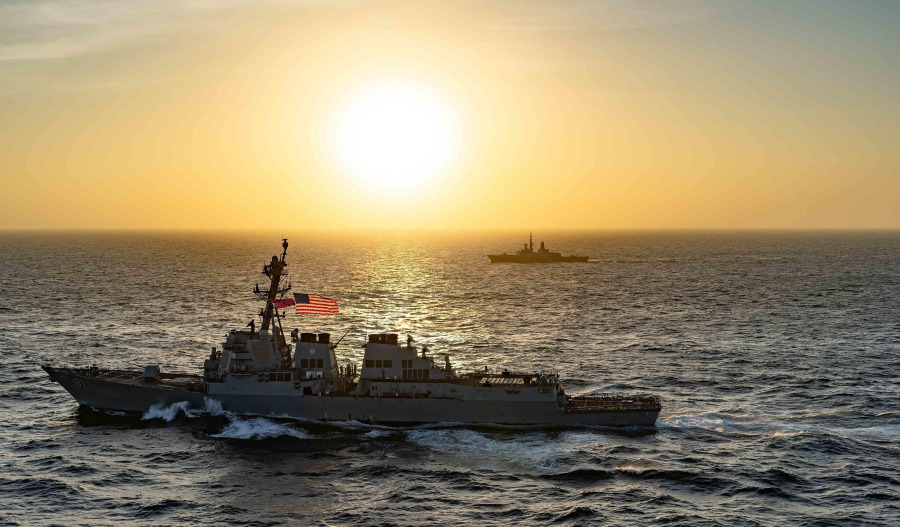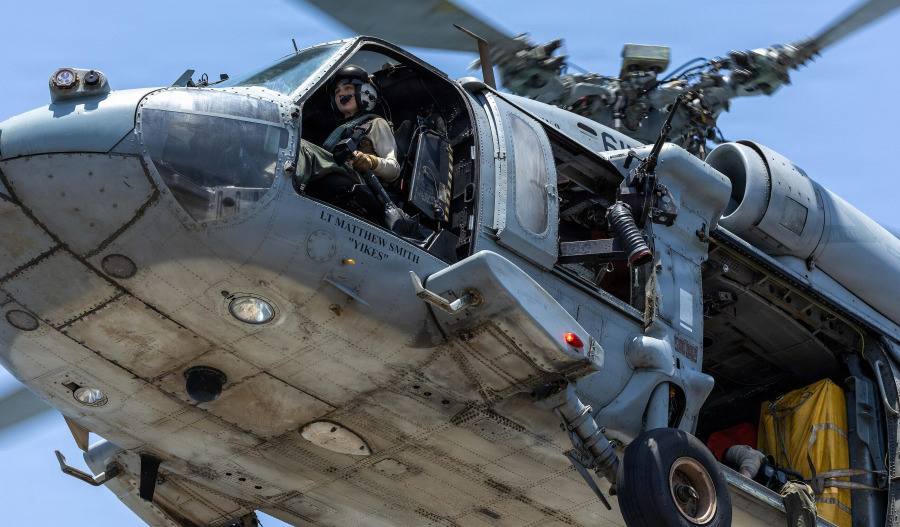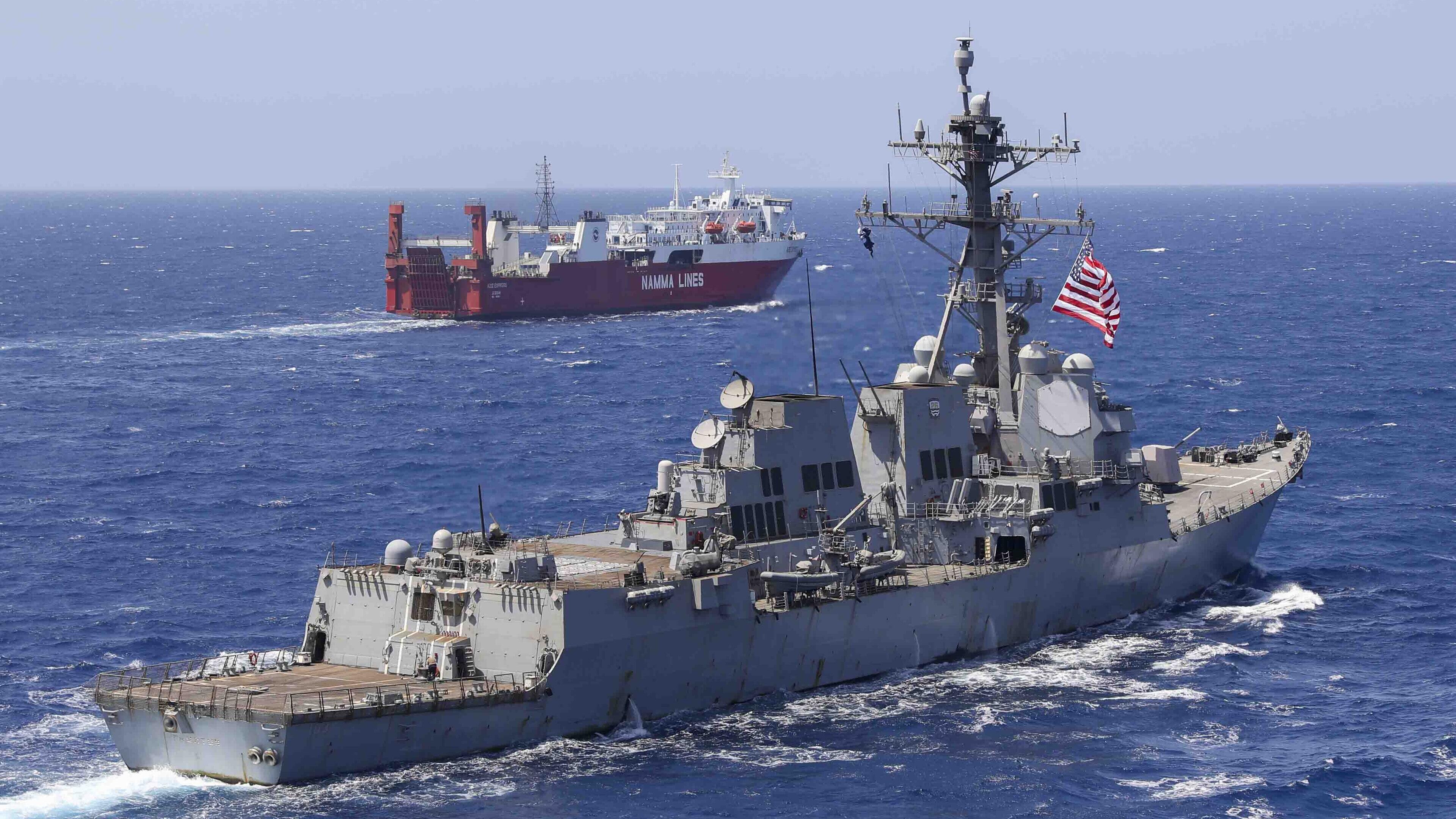
Two oil tankers carrying Saudi crude to Asia reversed course in the Red Sea on Tuesday after threats from Yemen's Iran-aligned Houthis, as the widening conflict in the Middle East disrupted shipping through two of the world's most important energy chokepoints.
Overnight, United States forces struck targets in southern and western Iran, while Tehran launched attacks on U.S. facilities in Bahrain, Kuwait and Jordan.
A tanker was also struck in the Strait of Hormuz at the entrance to the Gulf, adding to mounting concerns over the security of global energy supplies.
The Houthis, who control much of northern and western Yemen, including the coastline bordering the Red Sea, announced a naval blockade on Saudi Arabia on Monday, opening a potential new front in the conflict.
In a letter to shipping companies, the Houthis threatened to attack any vessel loading or unloading Saudi oil.
U.S. President Donald Trump said the Houthis had not yet closed the Bab el-Mandeb, the "Gate of Tears" strait linking the Red Sea to the Gulf of Aden, but warned Washington would respond if they did.
"So far it hasn't happened," Trump was quoted in a Reuters story as saying. "If something like that happens, we take care of it."
The president also confirmed that 18 U.S. service members have been killed so far, including four in Iranian attacks on U.S. military bases in Jordan and Iraq over the past several days.

The Houthi announcement was already affecting commercial shipping. Two tankers that had loaded Saudi crude bound for China and India at the Red Sea port of Yanbu made U-turns on Tuesday, instead heading towards the Suez Canal rather than transiting the Bab el-Mandeb into the Indian Ocean.
"The developments represent the first confirmed changes to commercial tanker routing following the (Houthi) embargo and are likely to increase disruption to Saudi crude exports and regional shipping patterns," British maritime risk management group Vanguard said on Tuesday.
With the Strait of Hormuz effectively shut by the conflict, the Red Sea has become the principal alternative export route for millions of barrels of Saudi crude each day, transported by pipeline to Yanbu before being shipped onward.
Oil prices climbed more than 2% on Tuesday, with Brent crude trading above US$91 a barrel and U.S. gasoline rising back above $4 a gallon.
The United States and Iran have continued testing the limits of escalation following the collapse earlier this month of a weeks-old interim ceasefire agreement.
The UK Maritime Trade Operations (UKMTO) agency said a tanker in the Strait of Hormuz reported being struck by a projectile on Tuesday, forcing its crew to abandon the vessel and board a lifeboat.
The United States has encouraged commercial vessels to use the southern shipping lane through the strait, while Iran has directed ships towards an alternative northern route closer to its coastline, where it ultimately aims to levy transit fees.
Only four commodity vessels crossed the Strait of Hormuz on Monday, mostly via the northern route near Iran's coast, down from seven the previous day, Reuters reported, citing Kpler data.
Meanwhile, a senior Iranian official told Reuters on Monday that Tehran had received a proposal from mediators for a 10-day ceasefire in an effort to salvage the interim ceasefire agreement signed in June, which replaced an earlier April ceasefire.