
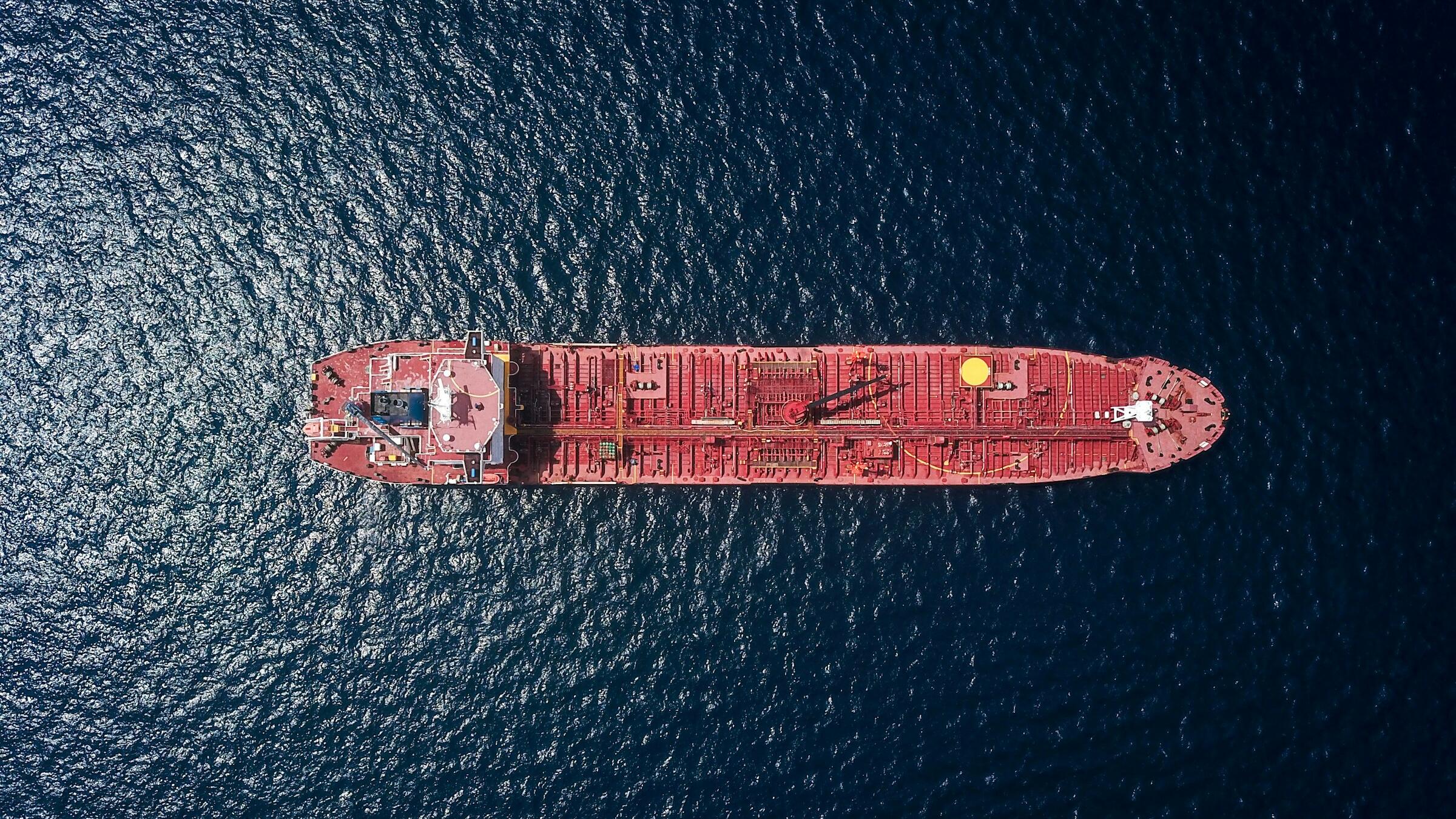
Oil prices extended gains during Wednesday's Asian session as escalating conflict in the Middle East heightened concerns over global supply disruptions, with United States forces striking Iranian military targets for an 11th consecutive night and oil tankers altering routes in the Red Sea following threats from Yemen's Iran-backed Houthi militia.
By 3:35 pm AEST (5:35 am GMT), Brent crude futures rose $1.25, or 1.4%, to $92.26 a barrel, while U.S. West Texas Intermediate (WTI) crude gained $1.08, or 1.3%, to $85.42 per barrel.
The gains followed Tuesday's settlement at a five-week high after U.S. strikes on military targets in southern and western Iran, while Tehran launched attacks on U.S. facilities in Bahrain, Kuwait and Jordan.
ING commodities strategists said in The Commodities Feed that hopes for a diplomatic breakthrough had faded as hostilities intensified.
"Hopes of a temporary ceasefire between the U.S. and Iran faded after President Trump ruled out the prospect of immediate talks. Instead, we continue to see further escalation.
"Meanwhile, the Houthis' announced maritime blockade on Saudi Arabia has shippers nervous, with several tankers moving to avoid the Bab el-Mandeb Strait. This would force tankers to enter and exit the Red Sea via the Suez Canal, adding significant time and expense to voyages to Asia.
"The disruptions facing the market don’t end in the Middle East. In the Black Sea, Russia’s CPC terminal has stopped receiving oil from Kazakhstan, with loadings suspended following ongoing attacks on tankers.

"The longer the suspension drags on, the greater the likelihood that Kazakhstan will be forced to curb upstream production. Volumes shipped from the CPC terminal are significant, with around 1.7m b/d loaded in June.
"Factoring in the renewed disruptions from the Persian Gulf, risks to Saudi crude exports from the Red Sea, and developments in the Black Sea, one may argue that Brent at just over US$91/bbl is undervalued. Particularly if these disruptions persist into August."
The U.S. military said it launched its latest wave of strikes late Tuesday U.S. time, or early Wednesday in Iran, shortly after the Kuwaiti army reported intercepting Iranian drones over the country.
The continued exchange of attacks has intensified concerns over energy security after the Houthis threatened to target vessels carrying Saudi crude through the Bab el-Mandeb Strait and announced a naval blockade of Saudi Arabia.
The Bab el-Mandeb waterway, at the southern entrance to the Red Sea, has become an increasingly important export route for Saudi crude as shipping through the Strait of Hormuz has declined sharply following the collapse of the U.S.-Iran ceasefire earlier this month.
Two oil tankers carrying Saudi crude bound for China and India reportedly turned back in the Red Sea on Tuesday, rerouting via the Suez Canal rather than sailing near the Yemeni coast after Houthi warnings, adding to concerns over shipping delays and transport costs.
Meanwhile, industry data from the American Petroleum Institute (API) showed U.S. crude oil and distillate inventories increased by 2.6 million barrels last week, compared with market expectations for a 1.5 million-barrel draw.
The figures come ahead of official inventory data from the U.S. Energy Information Administration (EIA), due later on Wednesday (Thursday AEST), which investors will watch for further indications of supply-demand conditions.