

Oil prices hovered just below fresh seven-month highs during Tuesday's Asian session, as traders assessed the outlook for renewed United States-Iran nuclear talks against a backdrop of heightened Middle East tensions and ongoing uncertainty over U.S. trade policy.
By 2:40 pm AEDT (3:40 am GMT) Brent crude futures added 60 cents or 0.8% to US$72.09 per barrel, while U.S. West Texas Intermediate crude futures added 57 cents or 0.9% to $66.88 per barrel.
Analysts at ANZ said in a client note: "The U.S. Embassy in Lebanon evacuated dozens of staff members as a precaution ‘amid anticipated regional developments’, local channel, LNCI, reported.
"The New York Times also reported that security officials are monitoring signs that Iran could attack American targets abroad.
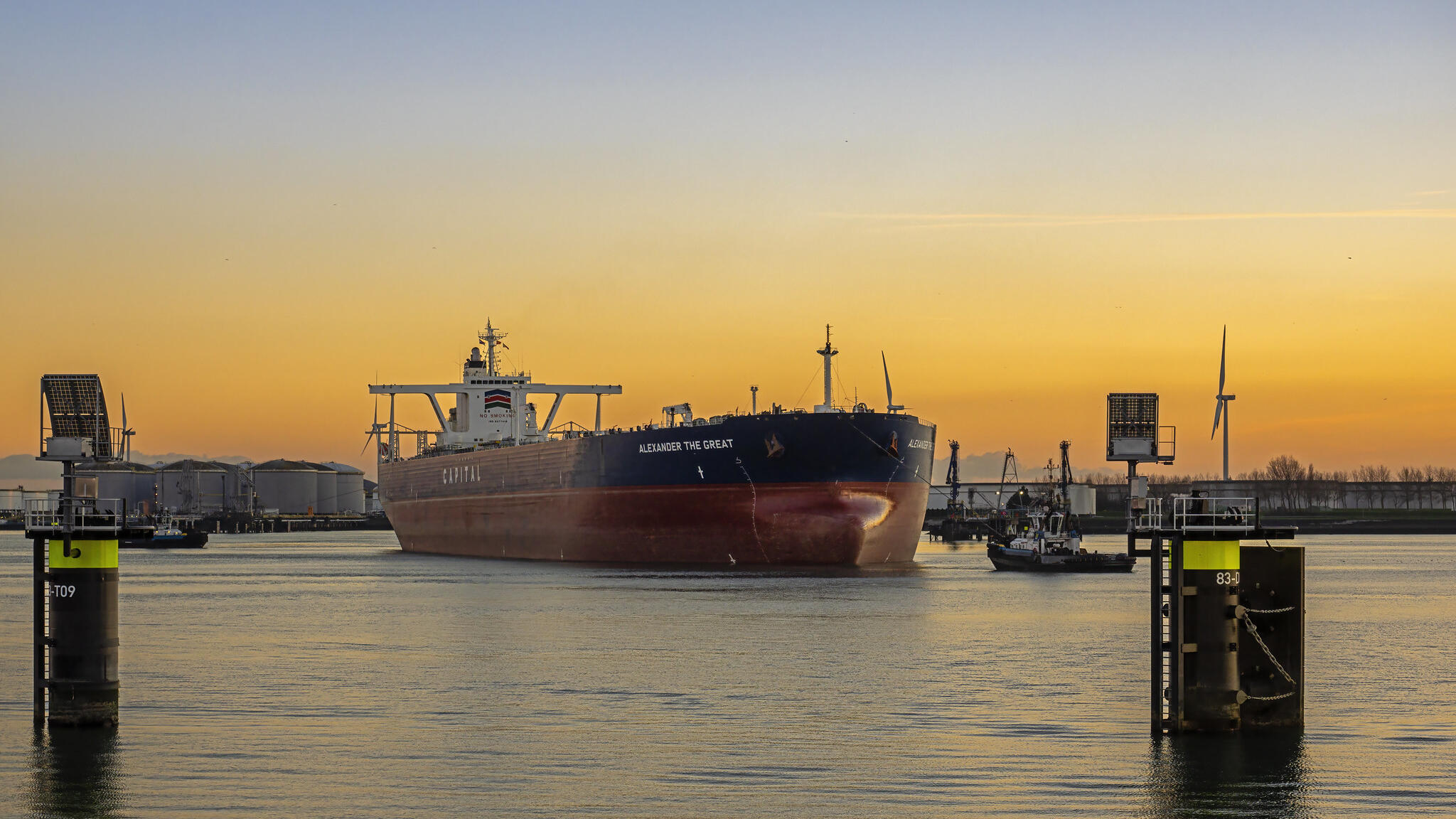
"The oil market is concerned those potential attacks could also be aimed at oil tankers in the Strait of Hormuz. This has seen the cost of hiring an oil supertanker surge to a record high of USD92,000/d on average, according to Clarkson Research Services.
"Traders were also keeping an eye on a new winter storm approaching the east coast of the U.S. that has already hobbled transport networks in New York City."

Iran and the United States are set to hold a fresh round of nuclear talks on Thursday in Geneva, Oman’s Foreign Minister Badr Albusaidi said on Sunday.
Washington has pressed Tehran to abandon its nuclear programme, while Iran has firmly rejected such demands and denied it is seeking to develop an atomic weapon.
The United States Department of State is withdrawing non-essential government personnel and their families from the U.S. embassy in Beirut, a senior official told Reuters on Monday, amid growing concern over the risk of military confrontation with Iran.
Trade policy uncertainty has also weighed on sentiment. Trump warned on Monday that countries stepping back from recently negotiated trade agreements with Washington could face significantly higher duties under alternative trade laws, after the Supreme Court struck down his emergency tariffs.
He reiterated over the weekend that he would lift a temporary tariff on U.S. imports from all countries to 15%, up from 10%, the maximum permitted under the relevant statute.
Beyond the Middle East, geopolitical risks extended to Eastern Europe. Ukrainian drones struck a Russian pumping station serving the Druzhba oil pipeline, which supplies Moscow’s crude to parts of Eastern Europe, according to a Ukrainian security official on Monday, adding another layer of supply uncertainty to the global oil market.