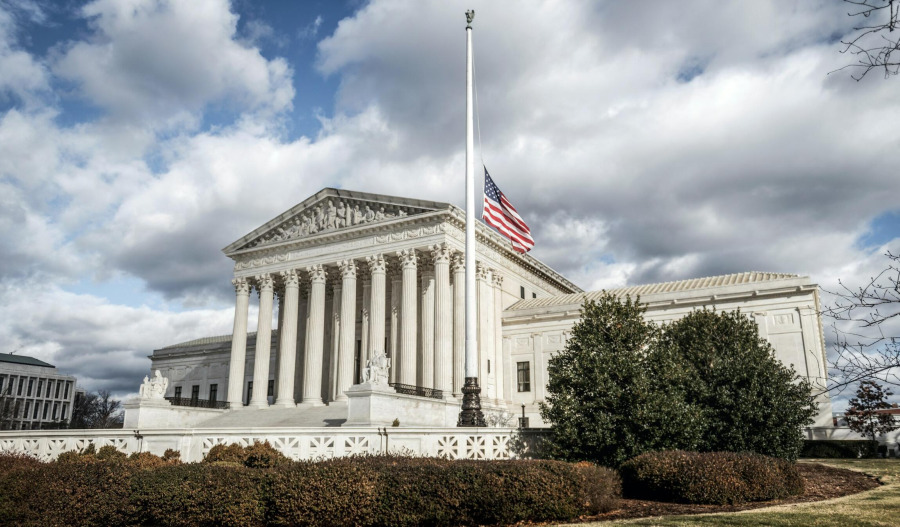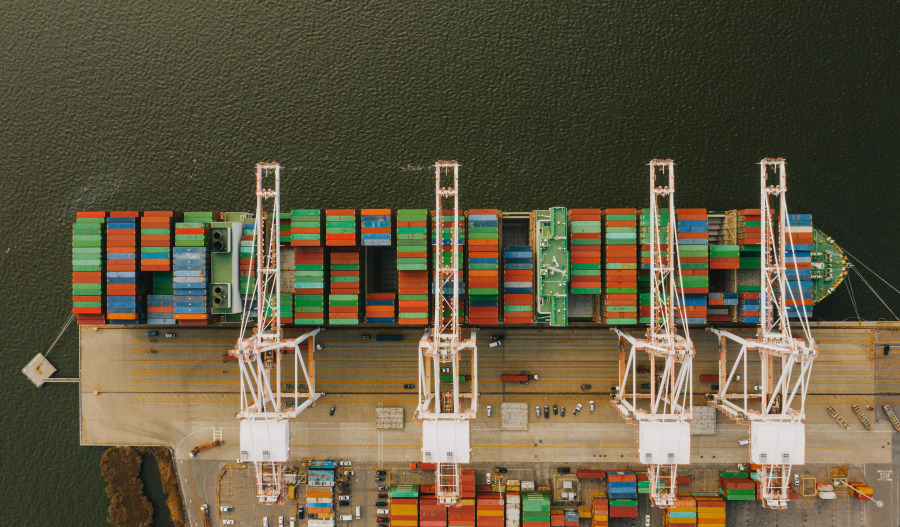

Within 24 hours of the Supreme Court of the United States ruling that he overstepped his authority, President Donald Trump lifted his blanket tariff from 10% to 15% on imports from every country.
The court’s 6–3 decision found Trump misused the International Emergency Economic Powers Act - a statute designed for genuine national emergencies - to justify what was, in effect, a global tax on imports.
Rather than concede ground, Trump reached for another lever: Section 122 of the Trade Act of 1974, which no president has used before.
This provision allows a president to impose tariffs of up to 15% for 150 days without congressional approval.
The escalation matters for Australia.
Our exporters - from manufactured components to processed foods - now face a 15% hurdle into the world’s largest consumer market.
While Australian firms do not physically write the cheque to U.S. Customs, American buyers may demand price cuts to offset the tariff.
Then there are carve-outs.
Critical minerals, some energy products and pharmaceuticals are reportedly exempt. Beef appears spared for now. But exemptions are political instruments, not economic principles, and they can vanish.
The larger issue is legal durability. Section 122 sunsets after 150 days unless Congress extends it.
That means this so-called certainty only lasts five months.
Beyond that, Trump has flagged he may pivot to Section 301 of the Trade Act of 1974 - a mechanism used in 2018 against China, which requires investigations and consultations.
He could also revisit Section 232 of the Trade Expansion Act of 1962, which allows tariffs on specific products deemed threats to national security.
However, while this was the pathway for steel and aluminium duties during his first term, it cannot credibly justify a tariff on everything.
What’s also lingering over the U.S. is the refund issue.
The court’s ruling means tariffs collected under the emergency powers law were unlawful.
Estimates suggest Washington could owe importers north of US$175 billion.
If refunded, that is not stimulus; it is repayment of over-collected tax.
The administrative process will likely run through the U.S. Court of International Trade, and large corporations are already queuing up.
Meanwhile, smaller importers may struggle with the paperwork and legal costs.
Wall Street’s initial relief rally last week betrayed a hope that the ruling would cool tensions.
But that optimism looks premature.
A 15% universal tariff still distorts supply chains, raises input costs and risks retaliation.
For Canberra, the calculus is pragmatic.
Australia’s trade relationship with the U.S. is modest compared with China, Japan and South Korea.
But sectors such as advanced manufacturing and specialty agriculture feel these shifts first.
The level playing field Trump boasts about simply means everyone is equally taxed.
Politically, the timing is awkward, with midterm elections looming in November.
Meantime, polling suggests American voters blame tariffs for higher living costs.
Democrats argue the president is taxing households by another name, while some Republicans counter that it is Congress - not the White House - holding constitutional authority over duties.
Strip away the rhetoric, and this is a separation-of-powers dispute with a price tag.
The court reminded the executive that emergency powers are not a blank cheque and the president replied by finding another cheque book.
Investors should treat the 15% rate as a bridge, not a destination, after all, five months is a short horizon in global trade and supply chains are planned in years, not seasons.
For Australian exporters, the lesson is simple: volatility is now embedded in U.S. trade policy.
Contracts need flexibility, pricing needs buffers and any talk of restored “certainty” should be read as campaign language, not commercial reality.