
Global oil prices recorded their sharpest one-day fall since the early stages of the pandemic after the United States and Iran agreed to a temporary ceasefire, easing immediate concerns over a prolonged disruption to critical energy supplies through the Strait of Hormuz.
U.S. benchmark West Texas Intermediate (WTI) crude for May delivery fell more than 16% to settle at US$94.41 a barrel, its steepest daily decline since April 2020, while Brent crude dropped about 13% to US$94.75.
The sell-off followed confirmation from U.S. President Donald Trump that Washington and Tehran had agreed to a two-week ceasefire contingent on Iran allowing “complete, immediate and safe” passage through the strategic waterway.
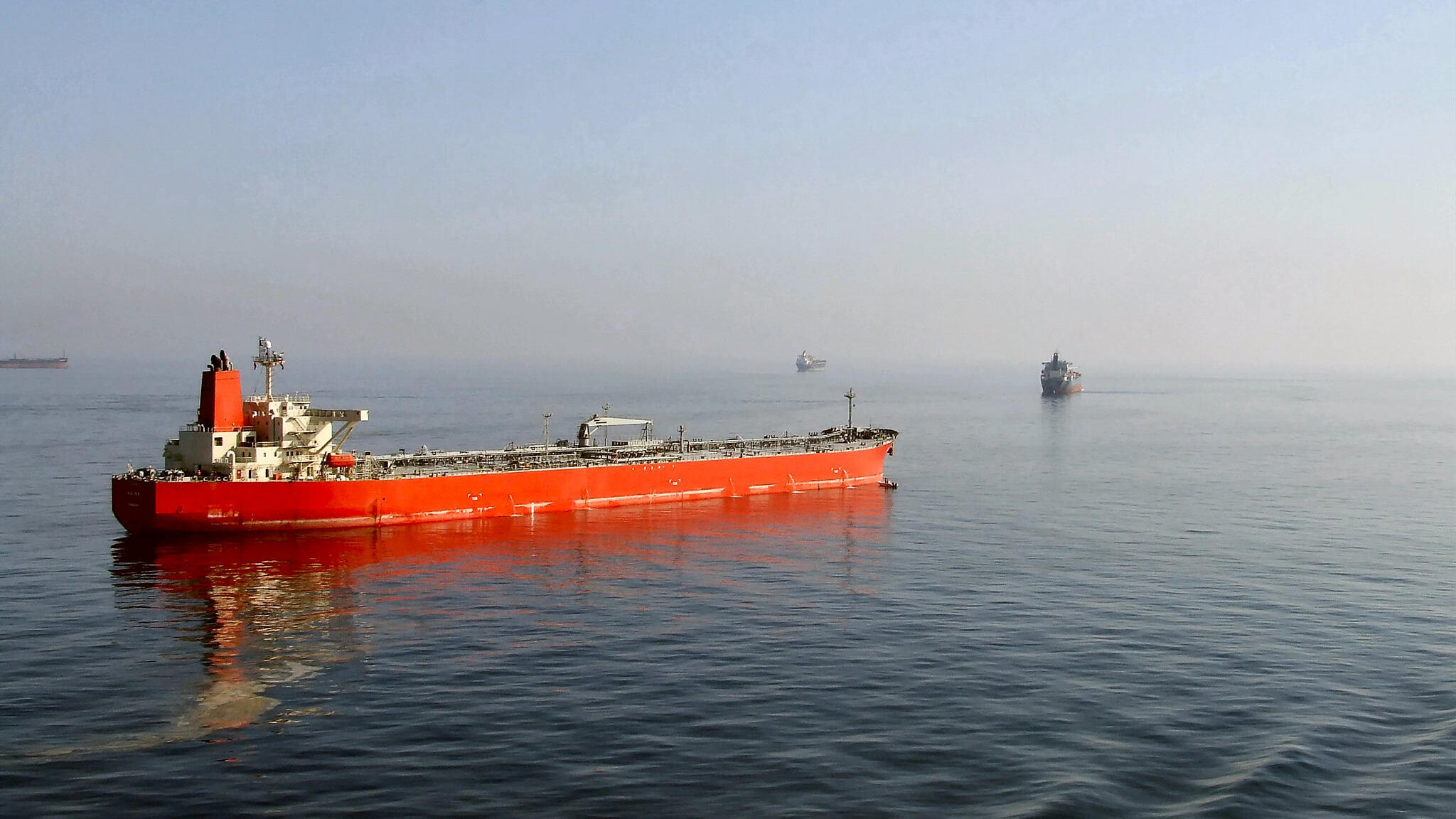
The agreement marks a tentative de-escalation in a conflict that has triggered the largest disruption to global oil flows on record, with roughly 20% of the world’s supply typically transiting the Strait of Hormuz.
However, shipping data and analyst assessments indicate the ceasefire has yet to restore confidence among tanker operators, leaving physical oil markets constrained despite the sharp price correction.
In a statement posted on social media, Trump said a 10-point proposal from Iran provided a “workable basis” for a broader agreement, adding that “almost all” key points of contention had been resolved.
Iran’s Foreign Minister Seyed Abbas Araghchi said safe passage would be permitted during the ceasefire “via coordination with Iran’s Armed Forces”, according to remarks reported by Iran’s state news agency.
Despite the announcement, tanker traffic through the strait remains subdued.
Data from global trade intelligence platform Kpler shows vessel movements have not increased beyond the limited volumes seen during the conflict, with analysts estimating only 10 to 15 ships per day are likely to transit in the near term.
Matt Smith, an oil analyst at Kpler, said Iran continues to vet vessels seeking passage, constraining any immediate rebound.

Additional uncertainty stems from reports that Tehran may require shipowners to pay transit tolls in cryptocurrency, as first reported by the Financial Times, further complicating logistics for global shipping firms.
Market participants remain cautious about the durability of the ceasefire.
Tomer Raanan, a maritime risk analyst at Lloyd’s List, said operators are unlikely to resume normal routes quickly, citing ongoing security risks and damage to regional energy infrastructure.
“The whole system is in flux,” he said, noting that vessels currently in the Persian Gulf may attempt to exit but hesitate to return.
The war, which escalated after U.S. and Israeli strikes on Iran on 28 February, has sharply curtailed production and exports across the Middle East.
According to a Bloomberg survey cited by Anadolu Agency, OPEC output fell by 7.56 million barrels per day in March - a 25% drop and the steepest monthly decline in at least four decades.
The supply shock had driven benchmark prices to historic highs, with physical “dated Brent” reaching US$144.42 a barrel, surpassing previous peaks during the 2008 financial crisis.
Although prices have since retreated, they remain significantly above pre-war levels of about US$73 a barrel.
Analysts say the key test for markets will be whether tanker operators regain confidence in safe passage.
Clayton Seigle of the Center for Strategic and International Studies said shipping activity would provide the clearest signal of recovery, as companies weigh assurances from Tehran against the risk of renewed attacks.
Until then, the ceasefire offers only limited relief to a market still grappling with disrupted supply chains, reduced output and heightened geopolitical risk.