Iran has warned oil tankers transiting the Strait of Hormuz to exercise extreme caution as tensions escalate in the Middle East.
The warning came from Iran’s Ministry of Foreign Affairs on Monday as the vital shipping route, which carries a significant share of global oil supplies, has been effectively closed.
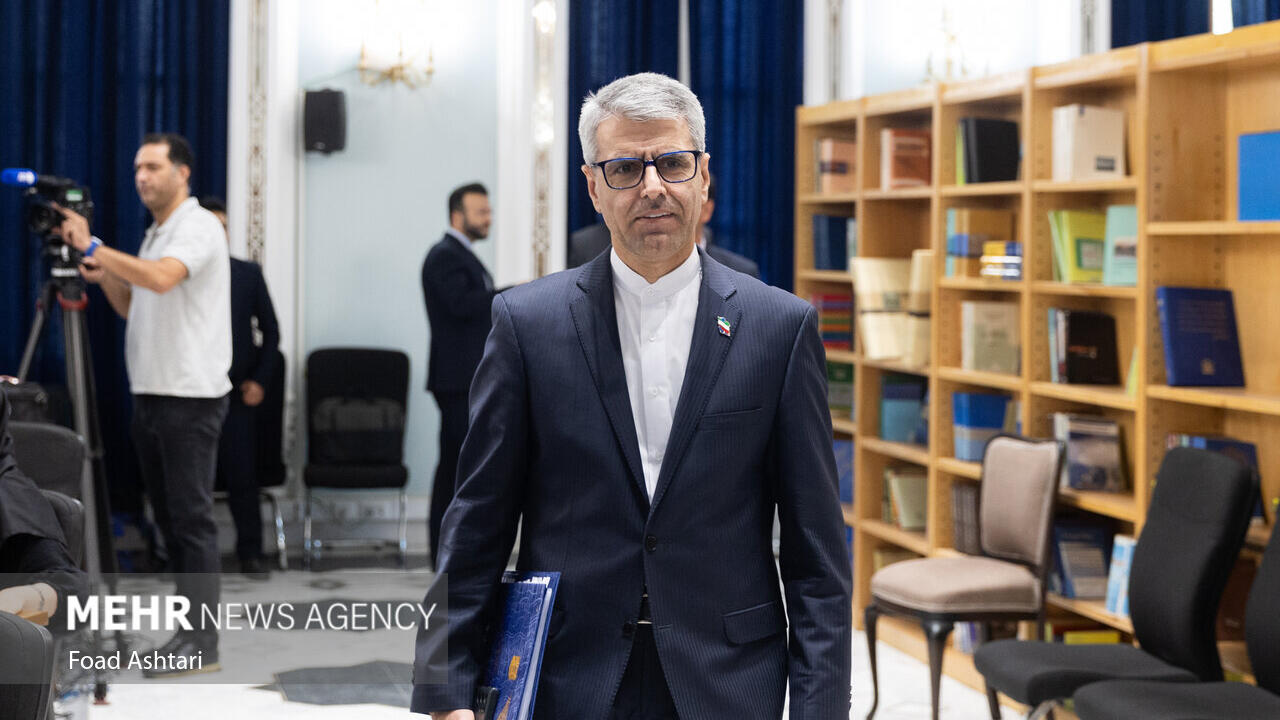
Speaking to CNBC’s Dan Murphy, Iranian Foreign Ministry spokesman Esmail Baghaei said vessels navigating the narrow waterway should proceed with caution while the regional security situation remains unstable.
“As long as the situation is insecure, I think all tankers, all maritime navigation, must be very careful,” Baghaei said.
Baghaei, who also serves as head of Iran’s Center for Public Diplomacy, defended Tehran’s military actions across the region, arguing that attacks on U.S.-linked military infrastructure are lawful under international law.
“What we are doing against military bases and assets belonging to the aggressors to the United States in the region, is legitimate under international law,” he said.
“We are defending ourselves under Article 51 of the UN Charter. And all military bases, installations and assets that in any form or manner are being used to help the aggressors are regarded as legitimate targets.”
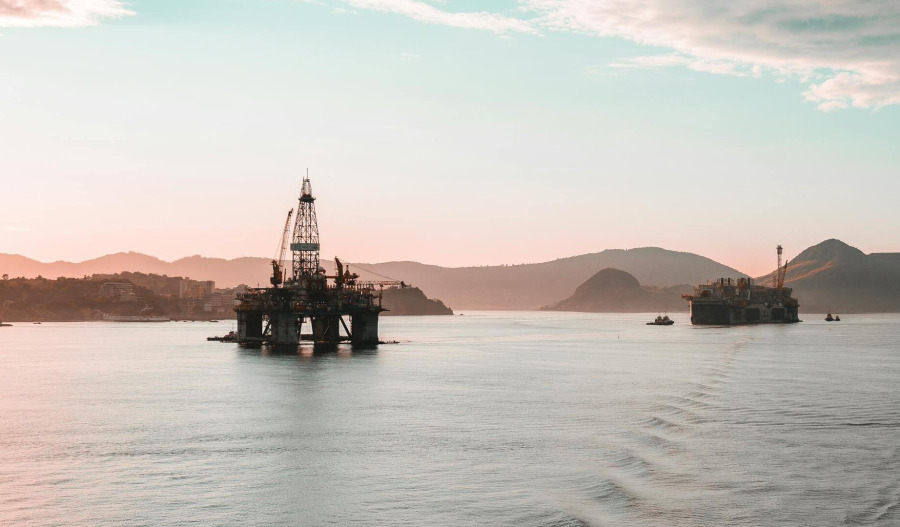
Oil markets have been highly volatile as the conflict threatens supplies from the Middle East. Crude prices spiked sharply above $100 per barrel after the Strait of Hormuz, a key chokepoint for global energy shipments, became effectively closed due to the conflict.
The surge in prices has heightened concerns about global inflation and economic growth, with governments and investors closely monitoring the potential for further disruptions to oil flows through the region.
Baghaei also defended Iran’s broader regional attacks, which have included strikes targeting desalination plants in Bahrain, oil refineries in Saudi Arabia and civilian infrastructure in the United Arab Emirates.

Asked about the strikes, he said Tehran’s actions were defensive and aimed at responding to aggression from the United States and Israel.
“We are only defending our country against the aggressors,” Baghaei said.
The Iranian official also reiterated that Tehran is prepared for a prolonged conflict and is considering every possible military scenario.
He said Iran will continue fighting the United States and Israel “as long as it takes”, and confirmed that the country is preparing for all contingencies, including the possibility of a ground invasion.
The comments come amid a major leadership transition in Iran following the death of Supreme Leader Ayatollah Ali Khamenei during the opening phase of the conflict.
Over the weekend, Iranian authorities selected Mojtaba Khamenei to succeed his father as the country’s new supreme leader, a move Baghaei said would strengthen national unity.
“The state institutions, the people, the authorities, have all shown that they would unite around the new leadership,” Baghaei said.
He also dismissed comments by U.S. President Donald Trump suggesting that Washington should have a role in determining Iran’s leadership.
“I think it’s a basic principle of international law and civility that the nation decides for themselves, free from the foreigners’ intervention,” Baghaei said.
“It is the absolute, unique right of the Iranians to decide about their leadership, about their system, and I think it’s absolutely unlawful for any politicians, for any person outside Iran to say who should rule Iran.”